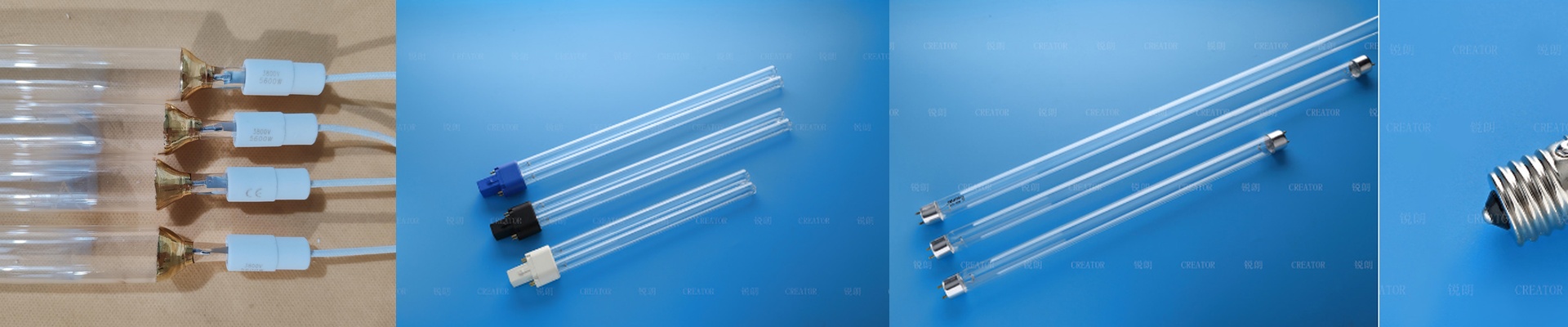
Getting Your UV Curing Right Without Breaking the Bank
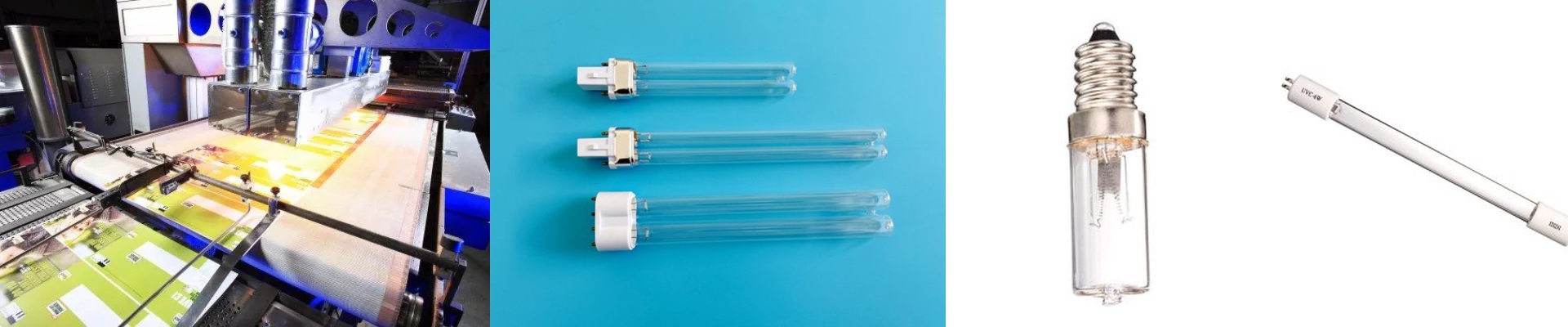
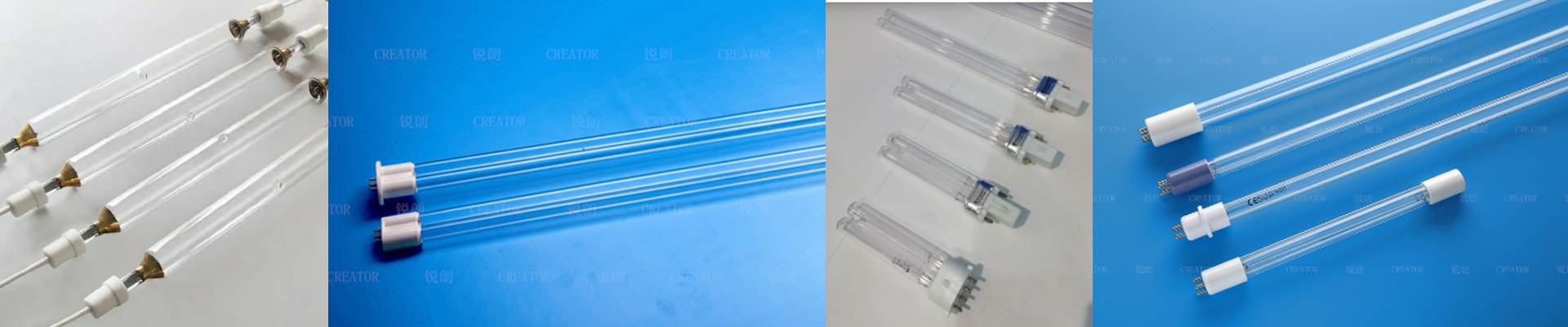
Let’s be honest: setting up UV curing in an automated line is usually a headache. You’re constantly juggling how much power you need against what you’re actually paying for it. Most people just buy through a middleman and pay a markup for the privilege. We do things differently. We handle everything—from the quartz tubing to the electrodes—under one roof. Because we own the whole process, we can keep the price steady and the quality consistent. No surprises, no random price hikes.
The Trade-off: Speed vs. Heat
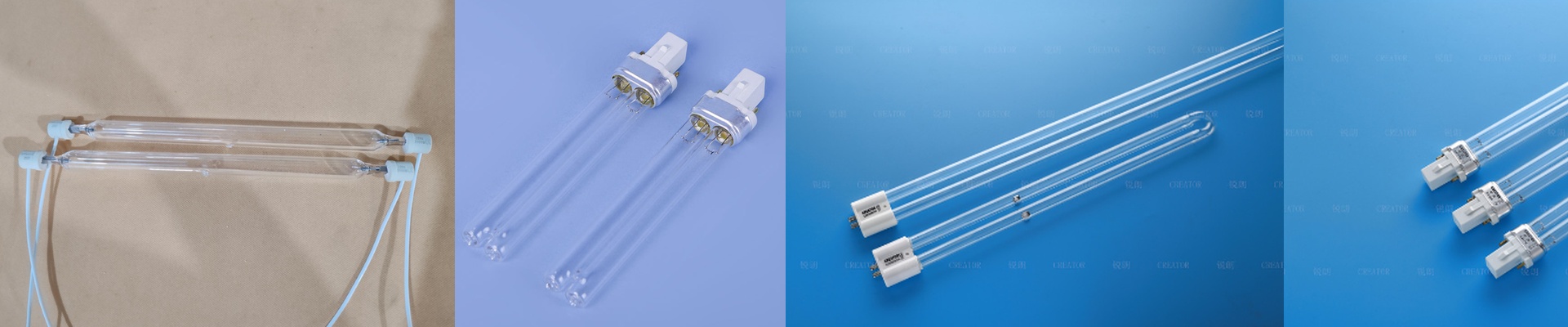
Here is the deal with power density. If you want your polymers to cure in a fraction of a second so your line can move faster, you need a lamp with high wattage packed into a small space. It’s great for speed. But there’s a catch.Heat. If your cooling fans can’t keep up with that heat load, your quartz envelope is going to stress out and burn out way too soon. Before you crank up the speed, just make sure your conveyor timing and cooling are actually up to the task.
Better Materials, Less Hassle
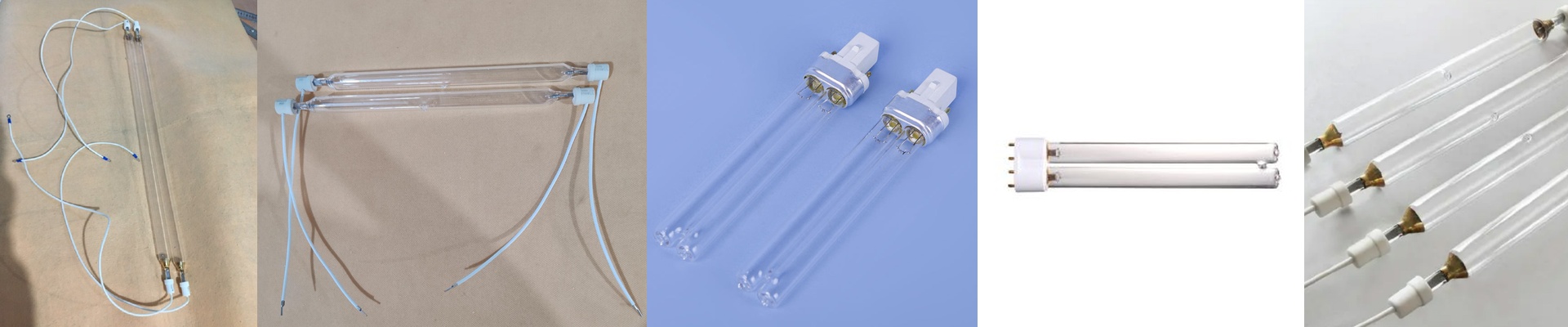
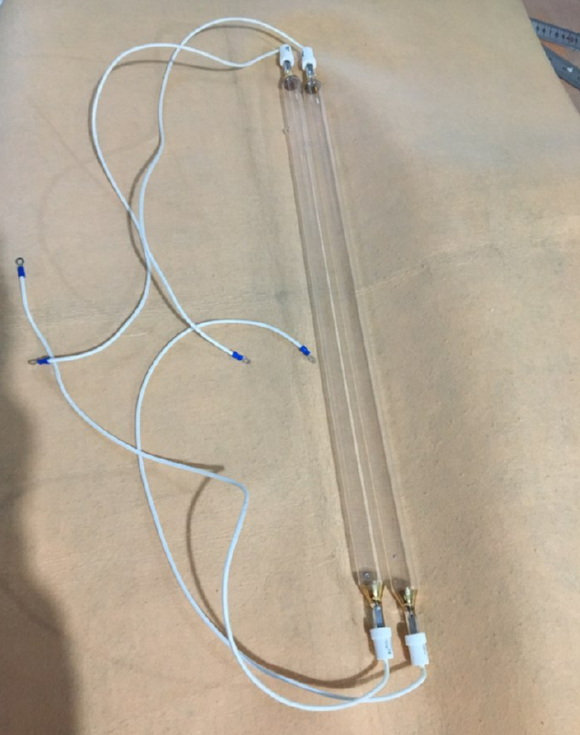
We use high-purity fused quartz because it doesn’t “soak up” the UV light. That means more of the actual radiation hits your product, which is exactly what you want. Since we do the gas filling and sourcing ourselves, you don’t have to worry about getting a “bad batch” of lamps that perform differently than the last shipment. Plus, these are drop-in replacements. You can slide them into your current housings without having to rewire your ballasts or move your machinery around. It just works.
Real-World Use and Maintenance
Whether you’re working with adhesives, coatings, or inks, there is always a balance to strike. If you push for the absolute fastest cure possible, your electrodes are going to wear out faster. It’s just physics. You get incredible speed, but you’ll be replacing lamps more often. To help you plan, we give you the actual data on how the light fades over time. That way, you can schedule your maintenance on your own terms—before your quality starts to dip and you’ve got a pile of rejected parts on your hands.