CE Certification: The Safety Standard We Don’t Cut Corners On
We make UV curing lamps for dental labs, and for us, CE certification isn’t just a box to tick. It’s the bedrock of how we build. Think of it as a promise—proof that the lamp meets the safety and electromagnetic standards required to sell in serious markets. For you, that means fewer headaches and predictable performance when you slot the lamp into your production machine.
The Details That Actually Matter
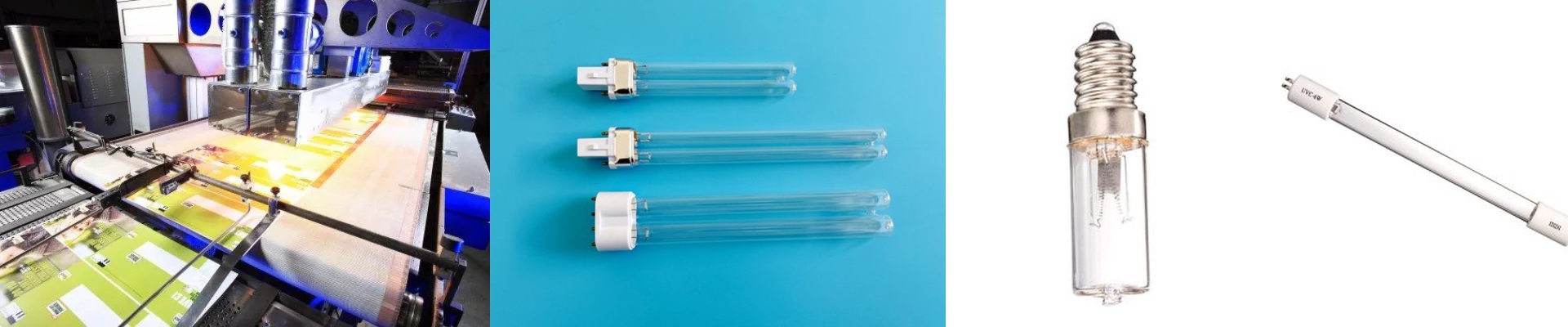
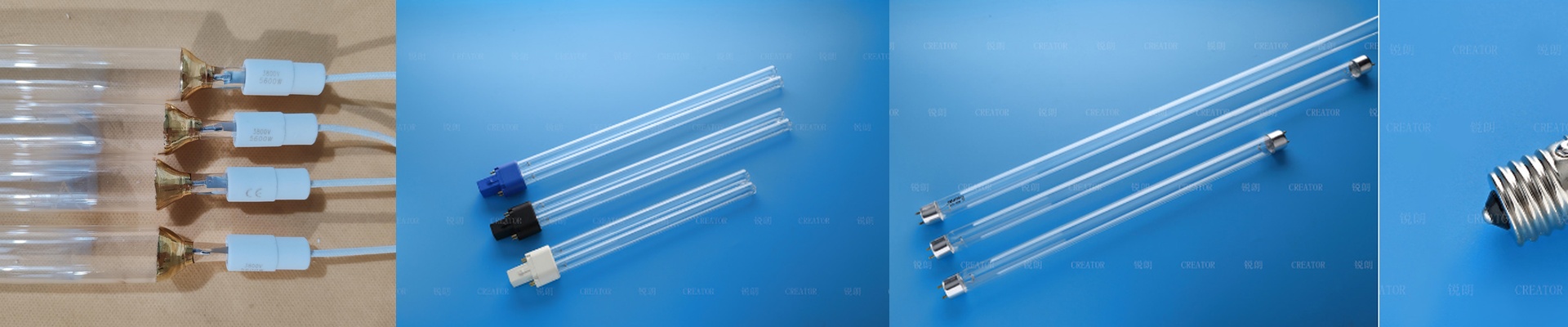
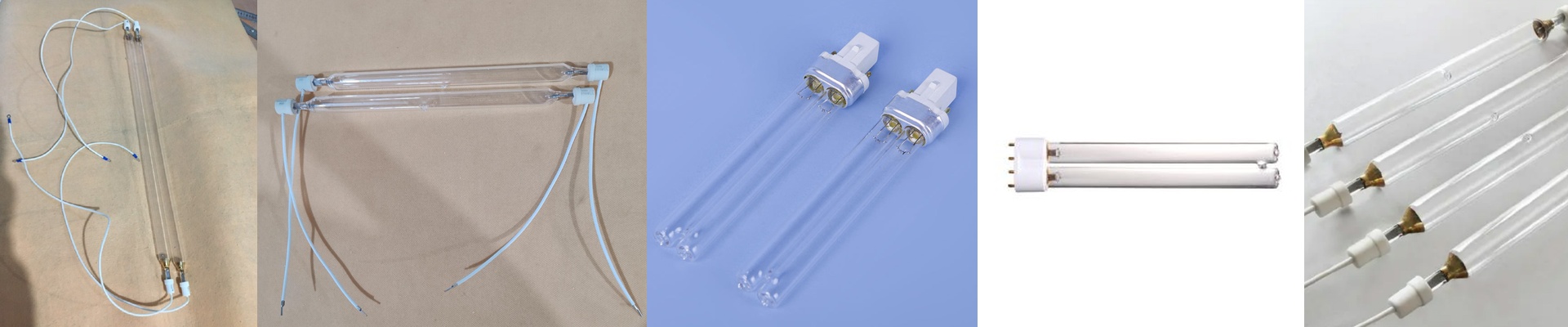
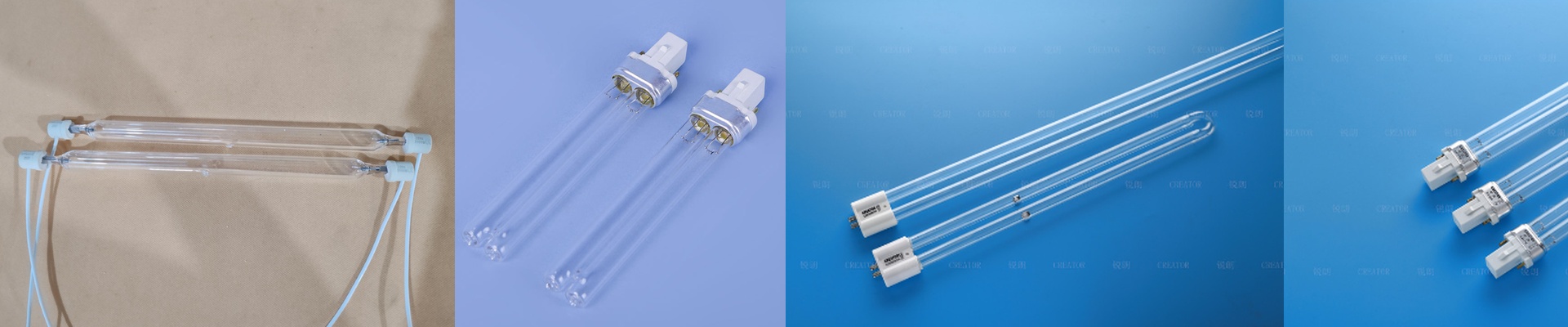
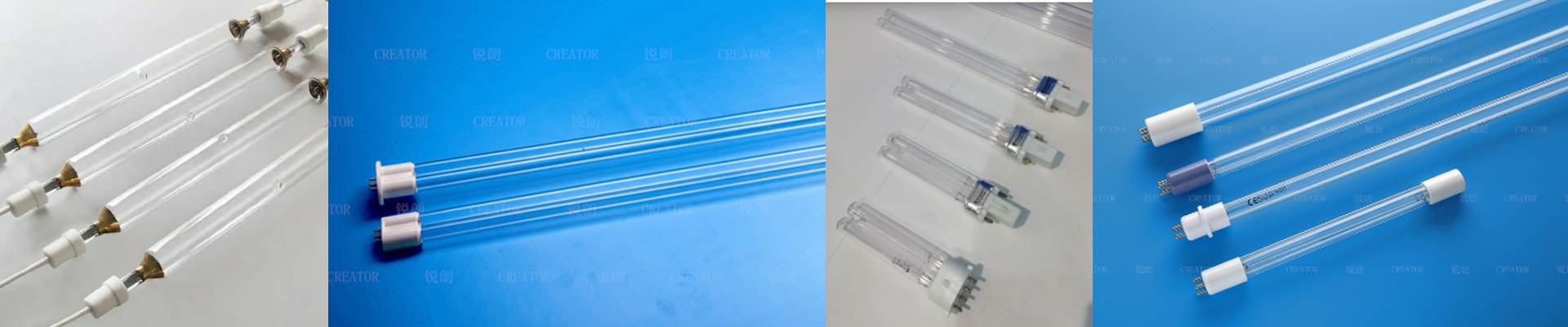
Our UV lamps are built to deliver steady output in a compact package. Most run on 230V or 400V, with power levels matched to how fast you need to cure and how much heat you have to manage. Tube lengths are chosen to fit the chamber—often around 300mm—so the beam hits the full curing area without forcing you to oversize the heater block. Here’s the thing: voltage and wattage aren’t just interchangeable numbers. A 400V, high-wattage lamp throws out more flux density, sure, but it also throws out more heat. That means the cooling path has to be designed for it. If your machine is tight on space, you have to spec the lamp, reflector, and airflow as one system. Otherwise, you’re asking for overheating and a shorter life.
Why the Parts Inside Matter
We use halogen-filled quartz tubes because they handle high heat and rapid temperature swings without softening. The internal coating is tuned to transmit UV efficiently, so more energy goes into curing instead of wasting away as heat. The R7s connector isn’t an afterthought. It’s there so installation is simple—no tools—and the contact stays solid, even when there’s vibration. That keeps the lamp seated properly, so you don’t get arcing or inconsistent output.
What It Feels Like in a Busy Lab
In dental labs, cycles are fast, and repeatability isn’t optional—it’s mandatory. Our lamp setup gives you consistent intensity, so you can lock in your process parameters for resins and prosthetics and trust the results, cycle after cycle. And if you’re replacing an existing fixture, it’s a drop-in fit in most standard setups, which means less downtime during changeover. There’s always a trade-off, though: more power means more heat to manage. Plan your heat sinking and airflow early. When you do, you get the benefit of a CE-certified design—compliance you can rely on—while keeping the curing process stable and under control.