
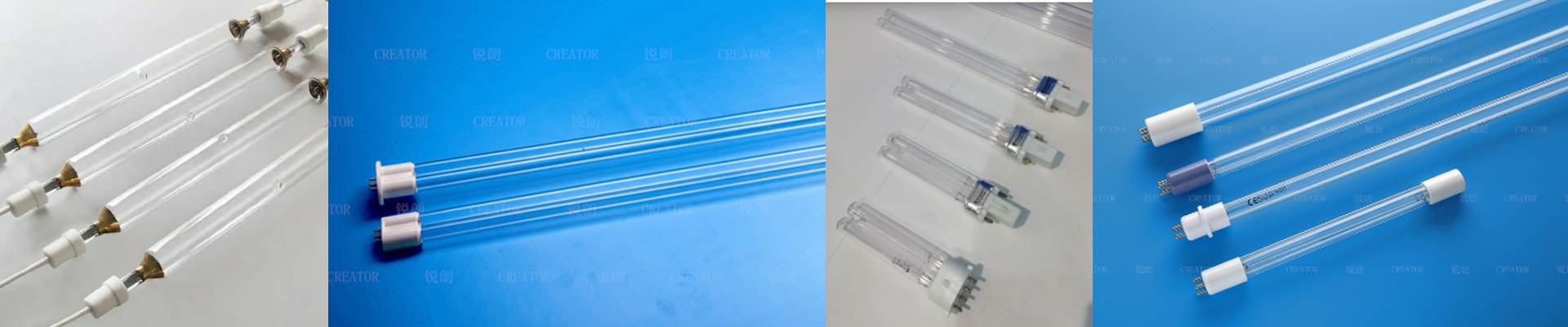
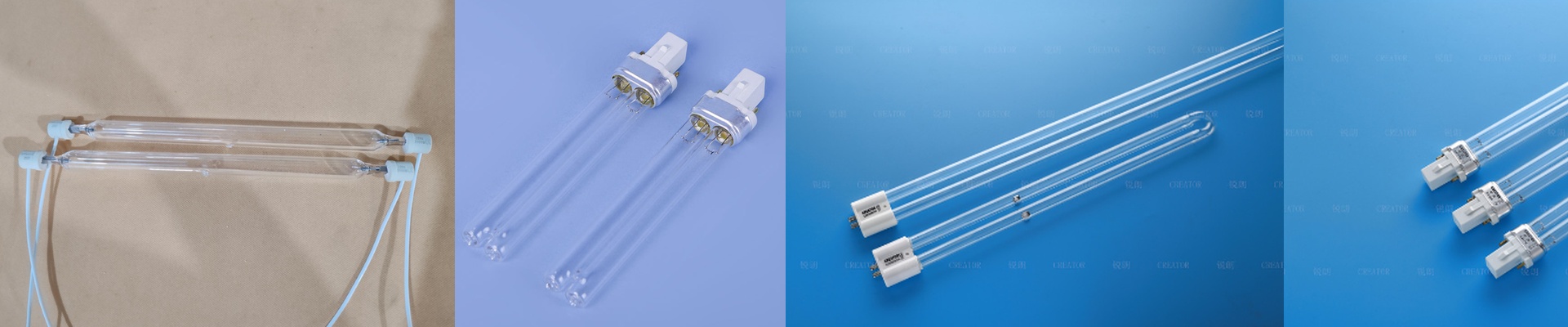
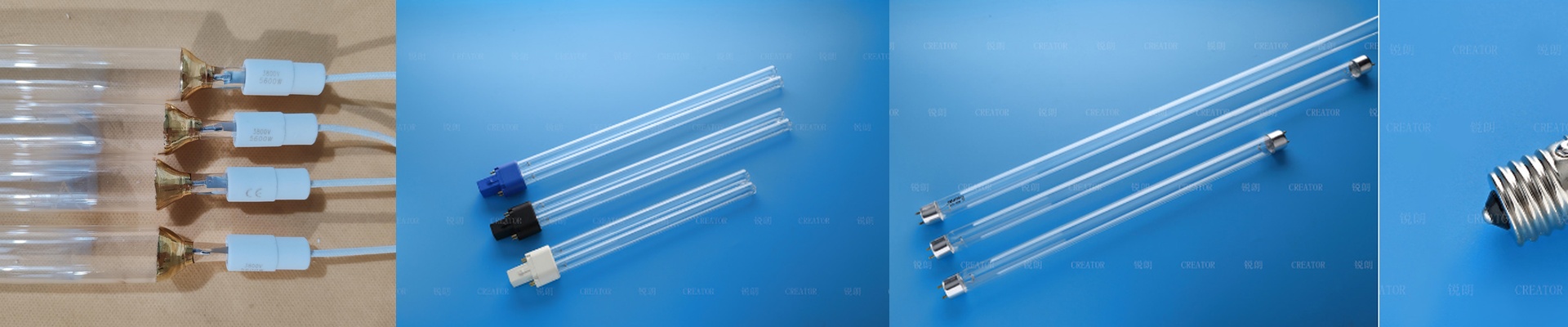
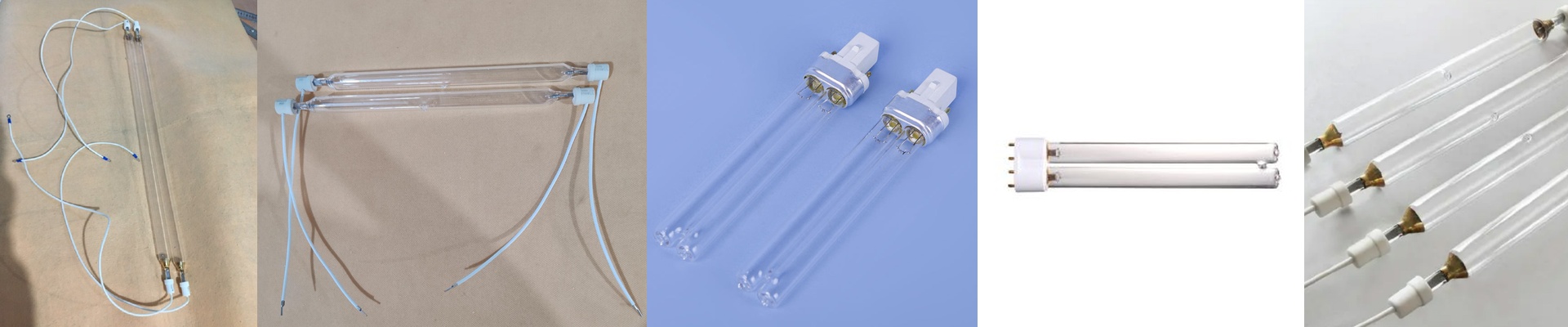
In the UV curing market, spec sheets all start to look alike—until you hit a customs audit, a product recall, or a line acceptance test that fails. If your lamp isn’t CE-certified, you’re carrying avoidable compliance risk on every global shipment. That risk doesn’t just sit on paper. It can stop production and wipe out margins. What matters under the hood Gallium halide UV curing lamps are built around controlled spectral output. Compared with standard mercury vapor lamps, the gallium doping cuts down on excess short-wavelength output and builds up the 365–405 nm band that drives photoinitiator absorption. That tighter spectrum gives you cleaner cross-linking, less heat from over-exposure, and curing that stays consistent across the substrate. We call out peak irradiance because it matters, and we deliver stable light-output density over time so your dosing curve stays predictable. The reflector geometry and dichroic coating are tuned for high collection efficiency—turning electrical input into usable UV energy, with less wasted infrared. Why CE certification is more than a stamp CE isn’t just paperwork; it’s an engineering discipline that maps directly to what a factory has to deliver. It means the lamp system meets the safety and EMC requirements for CE-marked printing lines, and it gives you auditable documentation for export markets. In practice, that means fewer stops for noncompliant components, fewer shipment holds, and a repeatable baseline for curing performance. You get faster cycle rates without giving up cure depth, lower energy per part, and fewer interruptions when lamps need changing. The details that keep you running Match the lamp to what you already have—fixture interface, reflector type, and ballast. Gallium halide sources need stable power density to keep spectral output repeatable; a mismatched driver can shift peak irradiance and hurt cure uniformity. Also confirm ozone management. Ozone-free configurations are available for tight air paths. And plan for proper thermal management plus scheduled radiometer checks, so your output curve stays within spec.