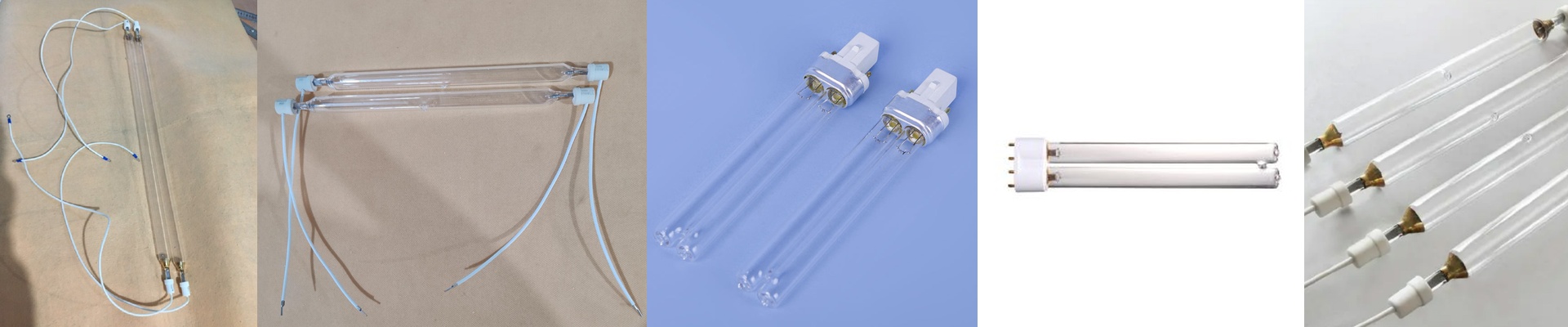
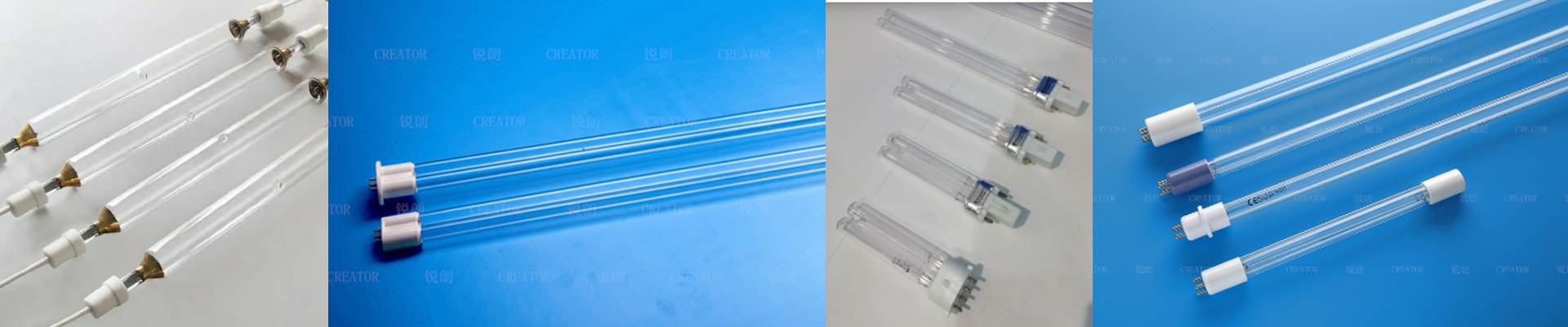
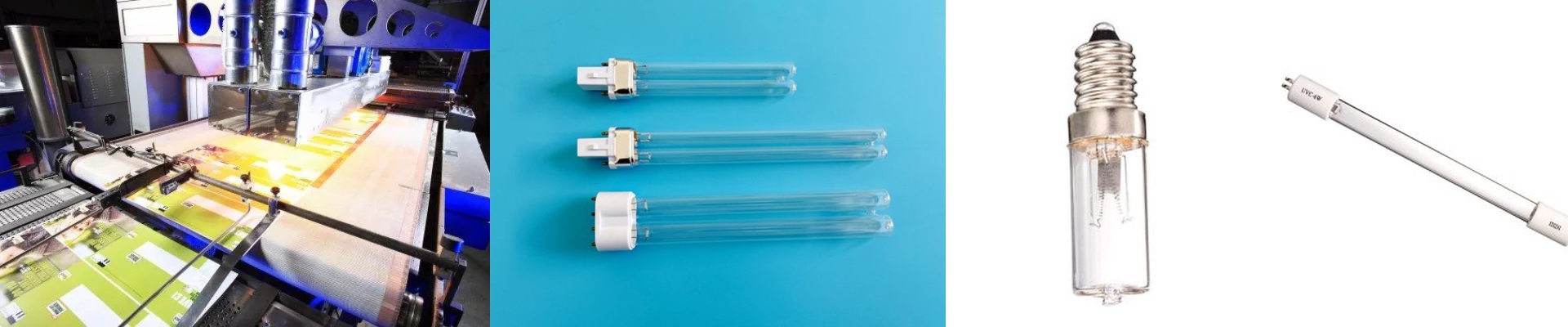
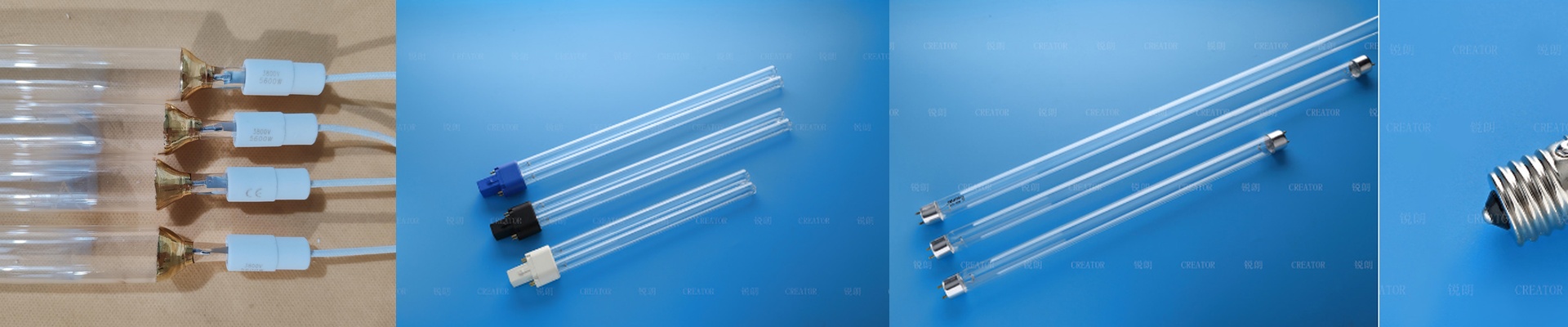
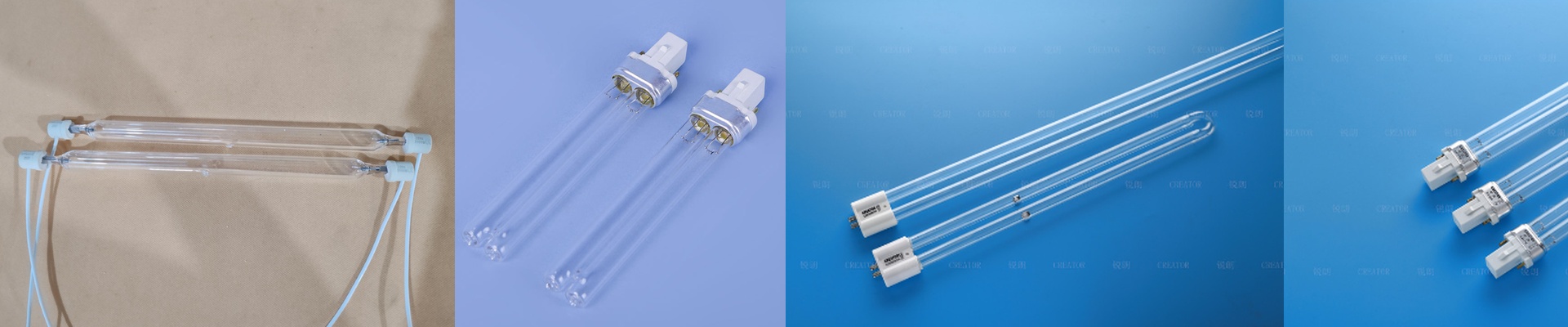
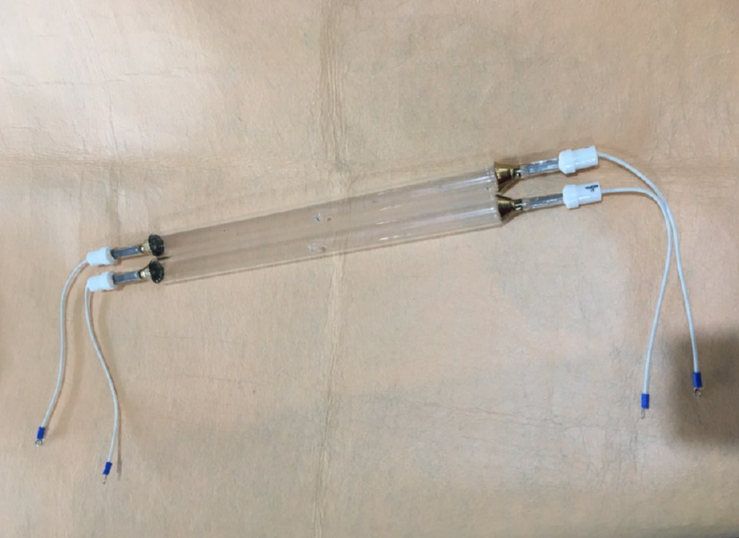
On the decorative art tile line, the finish isn’t just looks—it’s a mechanical feature. Undercure leaves the surface soft, easy to scuff, and flat. You lose that refractive depth that makes a glaze feel real. The trick is locking in gloss and hardness instantly, without warping the tile. That comes down to getting the spectrum right. What actually matters under the hood Standard mercury vapor lamps throw a broad spectrum, and that short-wave UV brings too much heat and ozone. Gallium-doped UV curing lamps shift the primary output peak to 395nm. That wavelength lines up with the photoinitiators in modern UV inks and topcoats, so you drive surface cross-linking while keeping substrate heat down. The payoff is a cold-cure that still gives you a glass-hard, high-gloss surface. We spec these lamps to hold stable spectral output for 5,000+ hours, with peak irradiance over 1,200 mW/cm²—enough to fully polymerize at line speeds up to 150 m/min. Why this fits glaze-effect art tiles The 395nm peak hits two needs cleanly. One, it cures the topcoat deep enough to deliver a refractive index close to glass, so you get that fired-glaze depth. Two, cutting back on short-wave emission helps prevent yellowing and thermal stress, which matters when you’re protecting color fidelity on sensitive ceramic substrates. And because it runs ozone-free, the exhaust routing is simpler, which means less maintenance hassle on the curing station. Field notes for getting it to run right Integration comes down to reflector geometry. Our elliptical reflectors are built to focus the 395nm output precisely onto the substrate, but alignment has to be tight—within ±0.5mm of the print surface—to hit the required energy density. If you run the lamp below 80% of rated power, expect about a 10–15% drop in peak output. Keep ignition voltage consistent; there’s no negotiating that if you want stable cure performance.