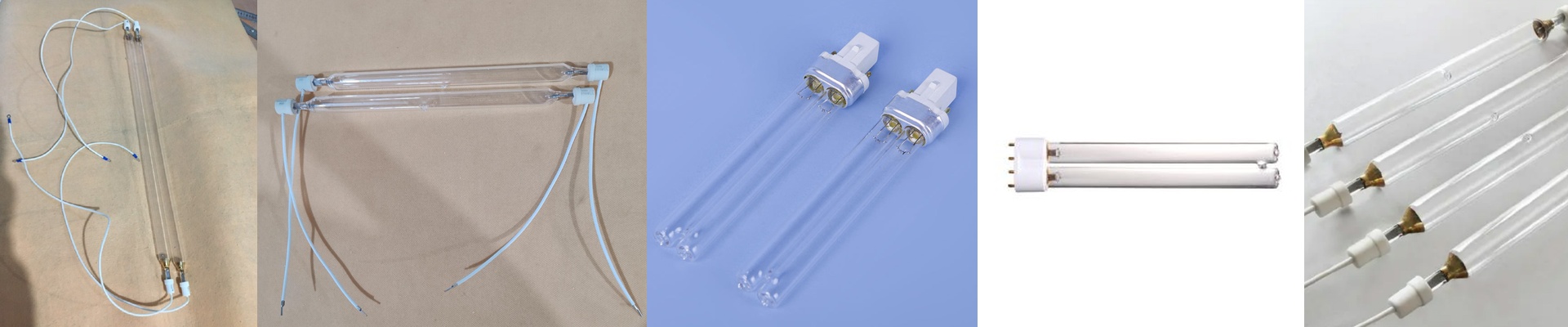
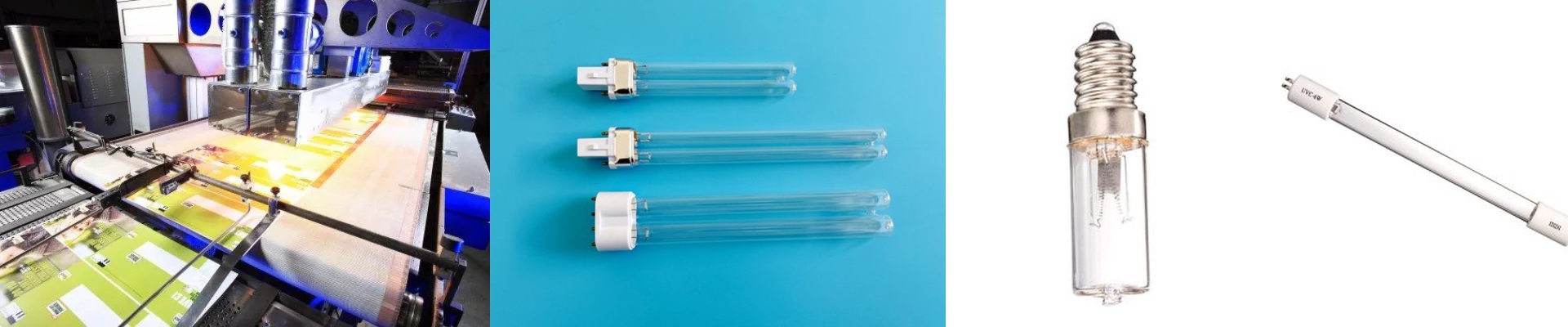
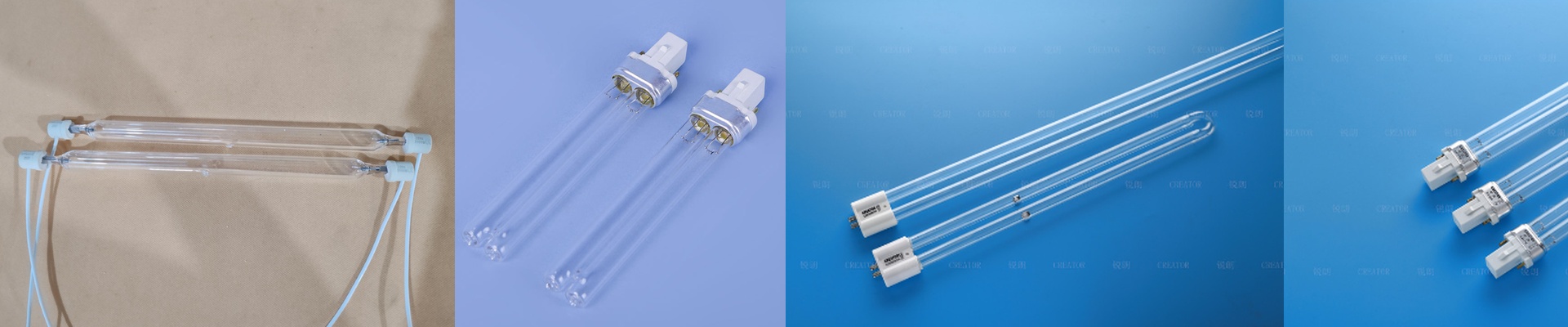
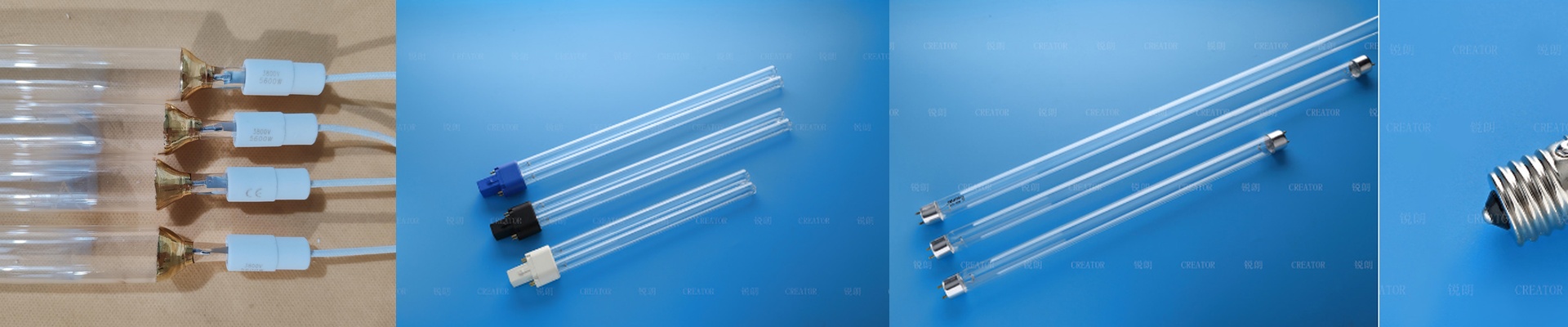
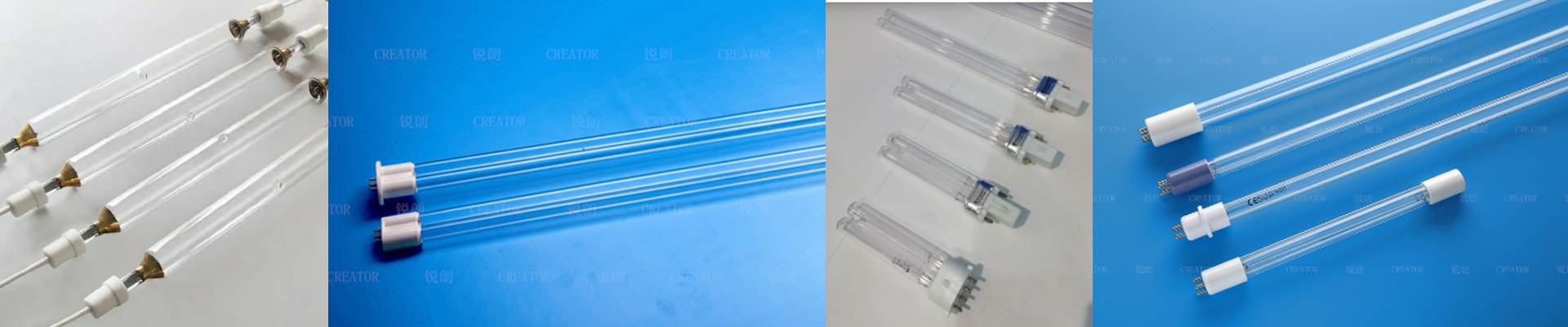
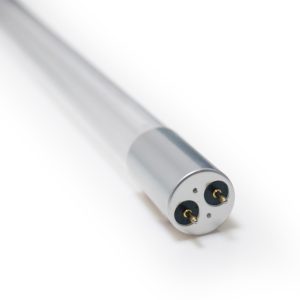
On the floor, a UVC lamp in a fixture doesn’t tell you much. It’s just a lamp. The only number that matters is the irradiance that actually hits the target surface. Without monitoring intensity in real time, you’re flying blind—chasing pass/fail results after the fact. What actually drives sterilization effectiveness UVC sterilization is all about dose: mJ/cm² equals irradiance (mW/cm²) times exposure time. A single-ended UVC lamp has to hold steady output at 254 nm, where germicidal action peaks. Peak irradiance, measured with a calibrated spectral radiometer, tells you the photon flux that really gets to the microorganisms. Lamp output drops as operating hours add up. Reflector efficiency and quartz transmission take a hit from dust, thermal cycling, and cleaning. If you aren’t watching intensity, you can’t compensate for those changes. Then the “log reduction” you’re aiming for is just a hope, not a spec. Why this matters when the line is running In a workshop or on a packaging line, throughput is fixed and dwell time is tight. With intensity monitoring, you set a minimum threshold and keep it there. When readings drift, you tweak lamp position, clean the reflector, or swap the lamp before the dose slips below the validated level. That keeps cycle times consistent, prevents under-dosing, and cuts scrap. It also keeps you from over-dosing, which wastes energy and burns through lamp life for no reason. What you need to make it work Match the lamp to the chamber geometry and the power supply, and double-check connectors and arc length. Expect output to fall as the lamp ages—plan calibration intervals and keep spares on hand. For ozone-free operation, use high-purity quartz with the right coating. Pair the lamp with a radiometer traceable to NIST standards, and log intensity for every cycle. That’s how you make sterilization reliable, repeatable, and provable.