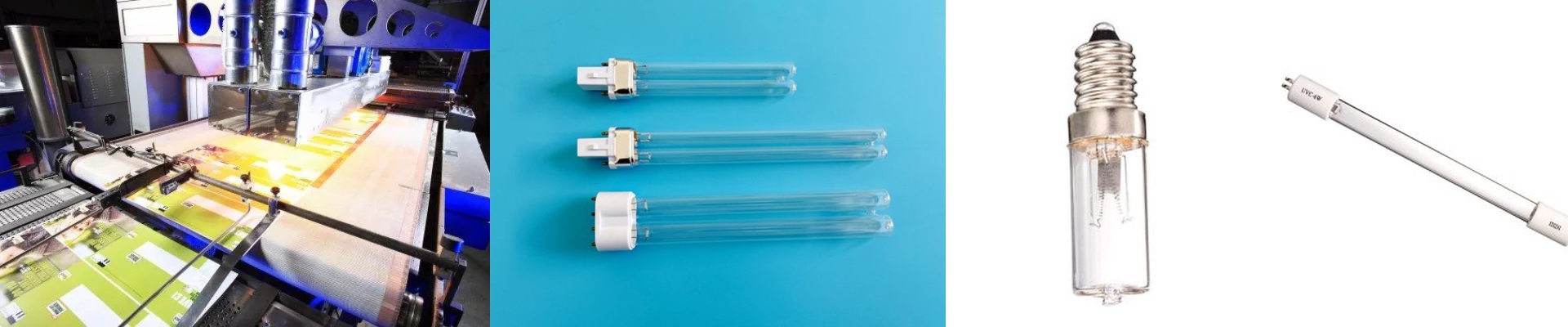
UV Sterilization Light for Rooms: The Real-World Tech Behind Industrial Disinfection
We build UV sterilization lights for rooms where the job can’t stall and the output has to be the same—every single time. This isn’t mood lighting. It’s a focused, germ-killing tool built to hold up when the plant is running hard.
What’s under the hood
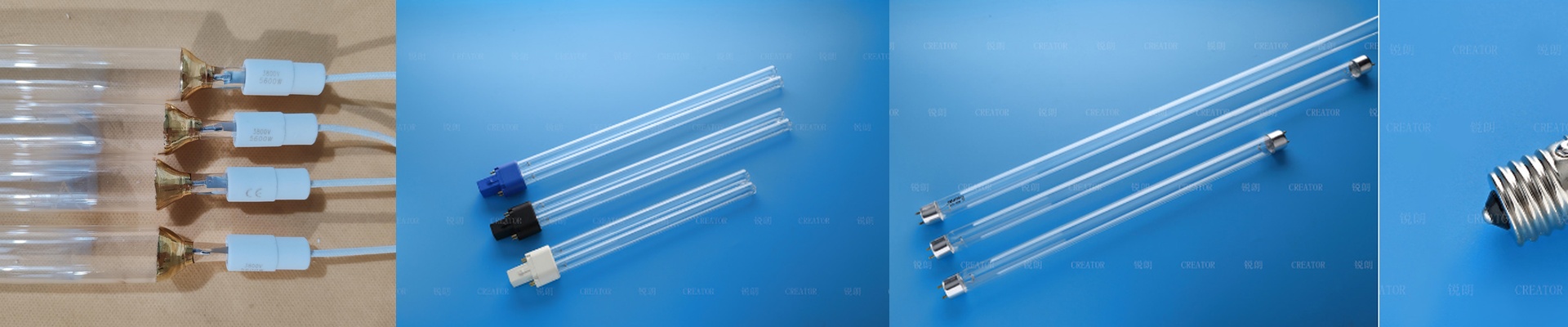
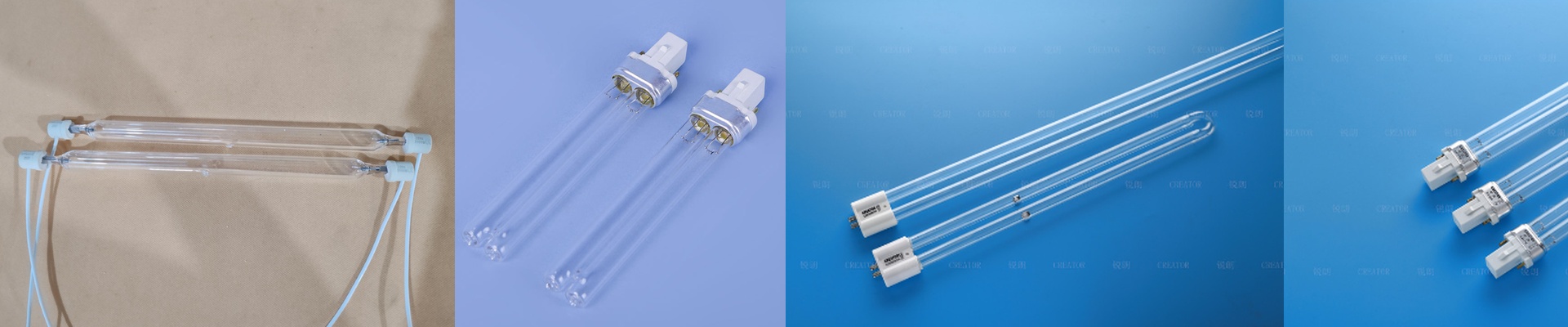
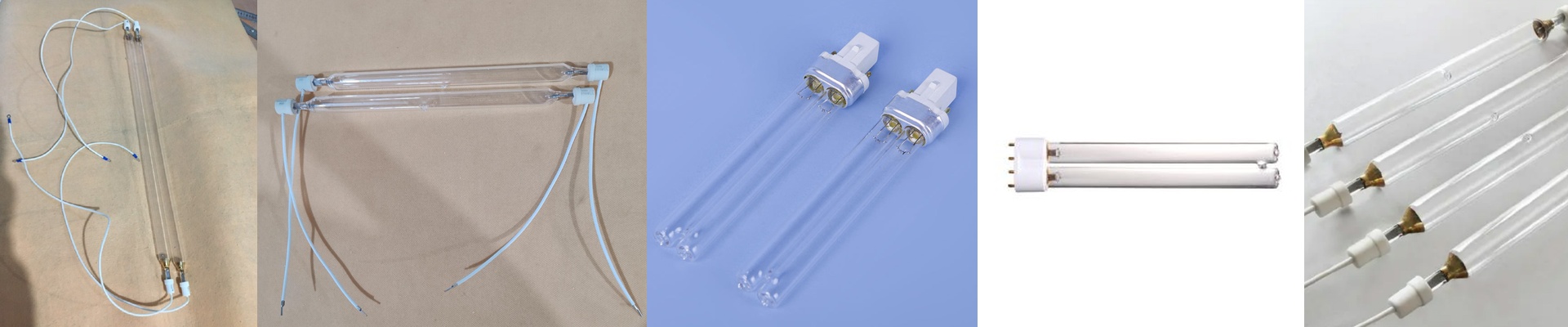
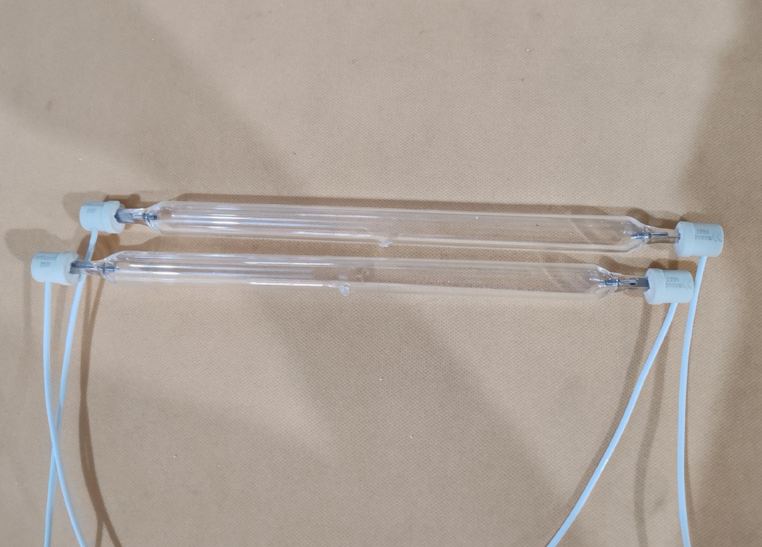
We chose specs that deliver steady UV power without pushing the system past its limits. The 400V input is there for a reason: it gives you breathing room on noisy plant lines, cuts down on voltage drop over longer runs, and keeps lamp power consistent. At 2500W, you get serious radiant flux—meaning faster disinfection cycles. And the 300mm length? It’s intentional. That compact footprint concentrates energy where you need it, so you can match it with a reflector and enclosure that actually fit the beam—instead of fighting a scattered spread.
Materials and design that matter
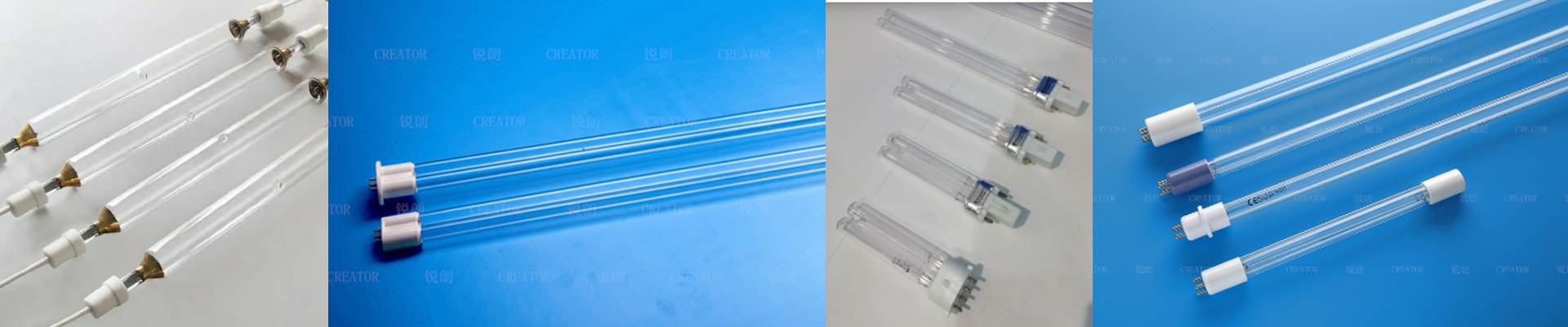
With UV, the details matter—especially the lamp envelope and how it starts up. We use quartz because it transmits UV well and can take the thermal shock of rapid on/off cycles without cracking under pressure. The shortwave UV output is tuned for germicidal action, not for lighting up the room. And the R7s connector? Practical, all the way. It locks in alignment, handles high current, and gives you a straight, no-fumble install that stays solid even when things are vibrating.
Why this setup works in the real world
When you’re disinfecting rooms, you need two things: a predictable dose and maintenance that doesn’t eat your day. This configuration packs high-intensity UV into a tight package, so you can fit it into cramped fixtures and still hit your cycle targets. Just keep one thing in mind: with 2500W packed into 300mm, you’re dealing with real heat density. That means proper airflow and thermal management in the housing aren’t optional. Spec the lamp, then spec the cooling. That’s how you keep the lamp healthy—and the whole process on track.