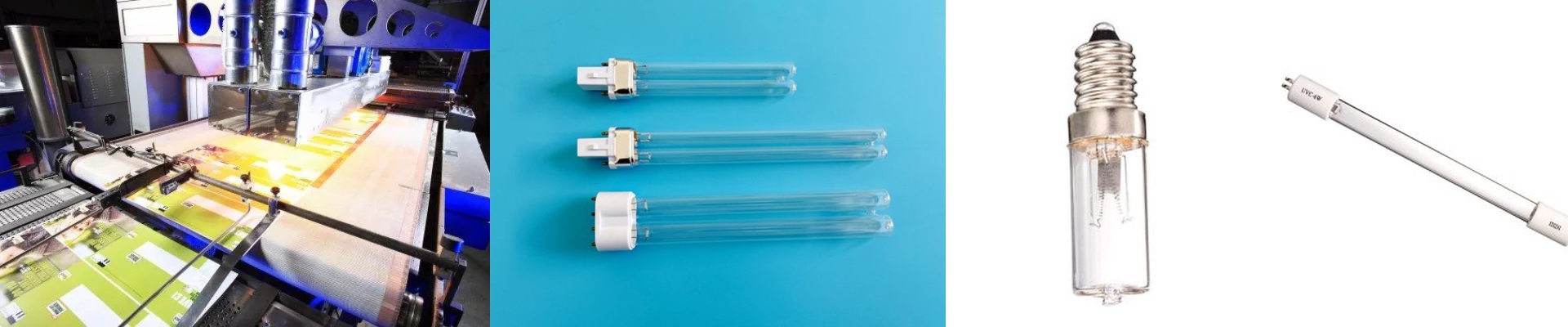
When a UV lamp goes down mid-run on a screen or offset line, it’s never just a delay. The whole line stalls, substrate gets scrapped, and you’re stuck reworking jobs that should have been done. The only way out of that loop is to stop guessing at lamp health and start tracking it with hard data.
What matters, technically
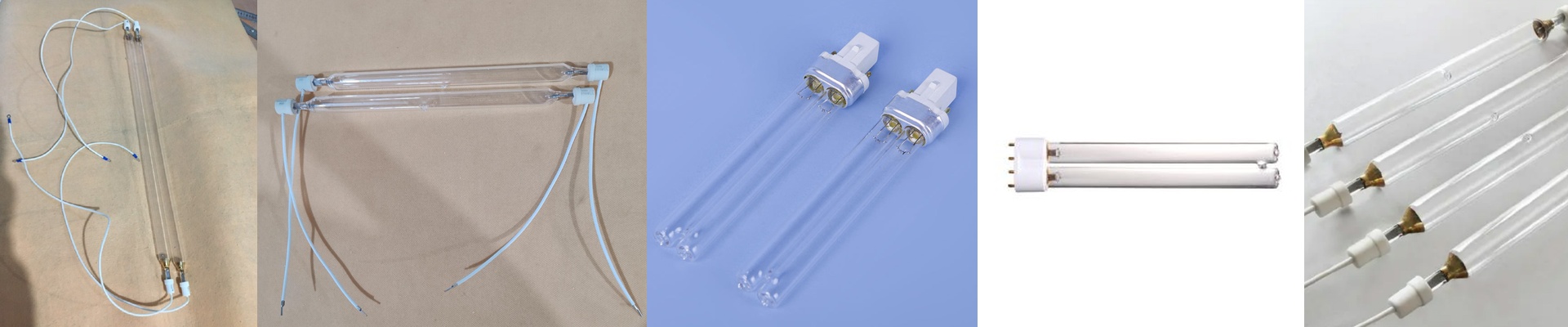
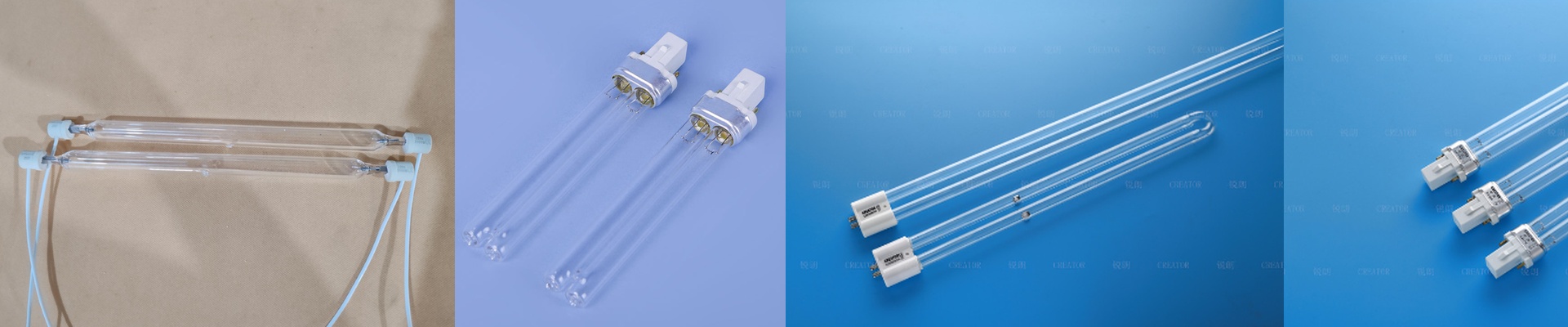
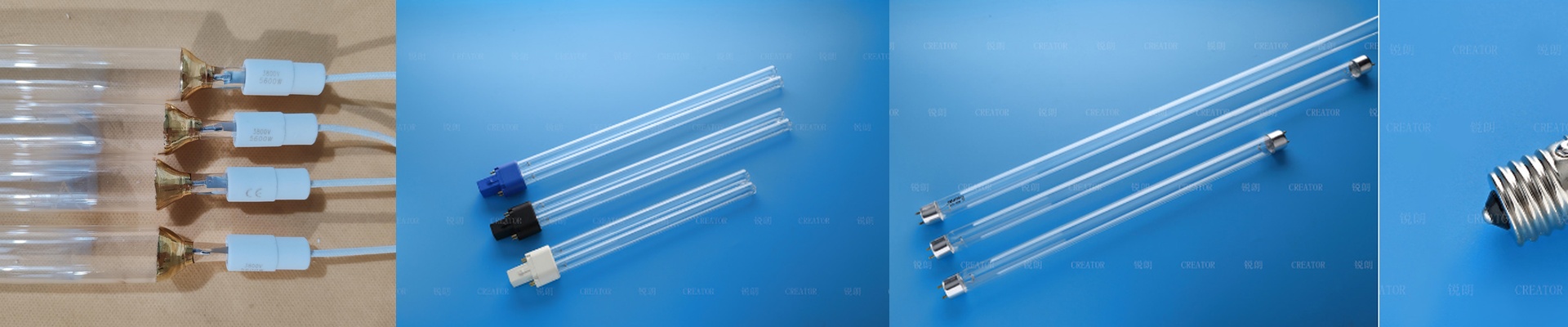
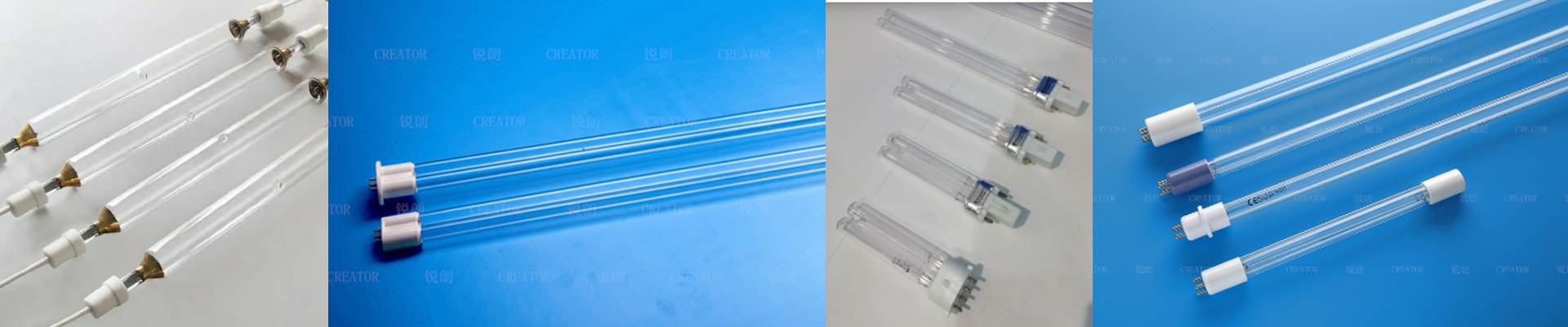
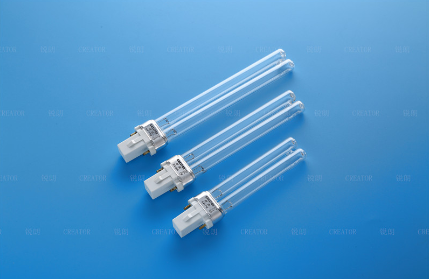
Coralife UV sterilizer lamps are built for industrial UV curing stability, not marketing claims. We’re talking a high-pressure mercury vapor discharge with a predictable spectral output centered on 365 nm, plus broadband output that lines up with photoinitiator absorption in typical screen and offset UV inks. Peak irradiance stays consistent across the active arc length, and the quartz envelope is chosen for high UV transmission and thermal tolerance. The reflector uses a dichroic coating to keep heat off the substrate and focus usable energy density into the cure window. The output is repeatable enough that you can tie lamp hours to mJ/cm² at the web—so your consumption ledger is built on numbers, not shop-floor stories.
Why this works in practice
A UV lamp ledger only turns into true predictive maintenance when lamp performance is measurable. Coralife gives you stable output curves, so you can track cumulative energy, spectral shift, and the warning signs at end-of-life: rising ESC current, falling irradiance readings, and longer exposure times to hit the same cure. The payoff is fewer surprise shutdowns, color that holds up run after run, and replacement scheduling that fits your press calendar. You also cut energy waste because the reflector and arc geometry put the dose where it needs to be, instead of dumping it as excess heat.
The details you can’t skip
Match lamp power to your reflector and cure-zone geometry. Even a spec-correct lamp can cure unevenly if the reflector is mismatched—expect hot spots and inconsistent results. Make sure the fixture compatibility is nailed down: end caps, connectors, and overall length have to match your UV curing unit. When you measure, use a calibrated radiometer. A “good enough” meter will lie to you. And if you can, run ozone-free. If you can’t, make sure your ventilation matches the lamp’s ozone management design.