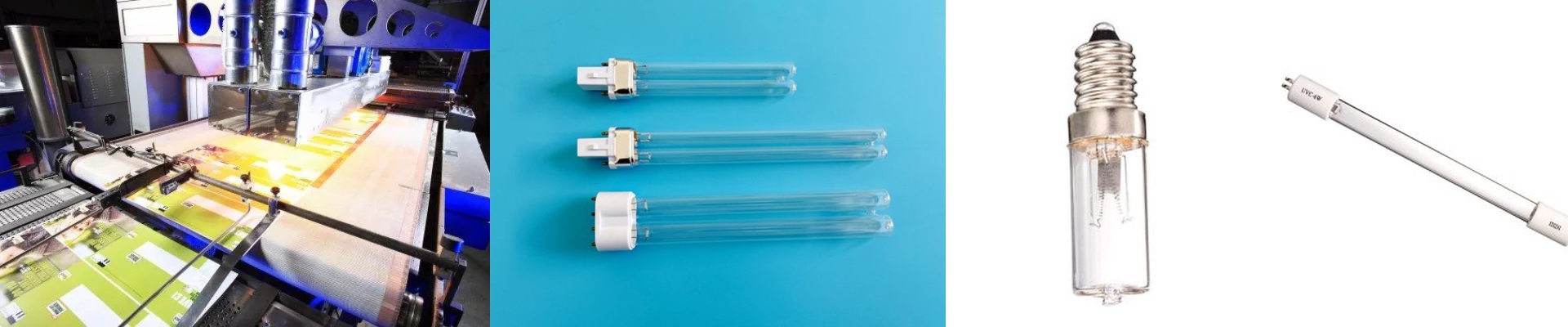
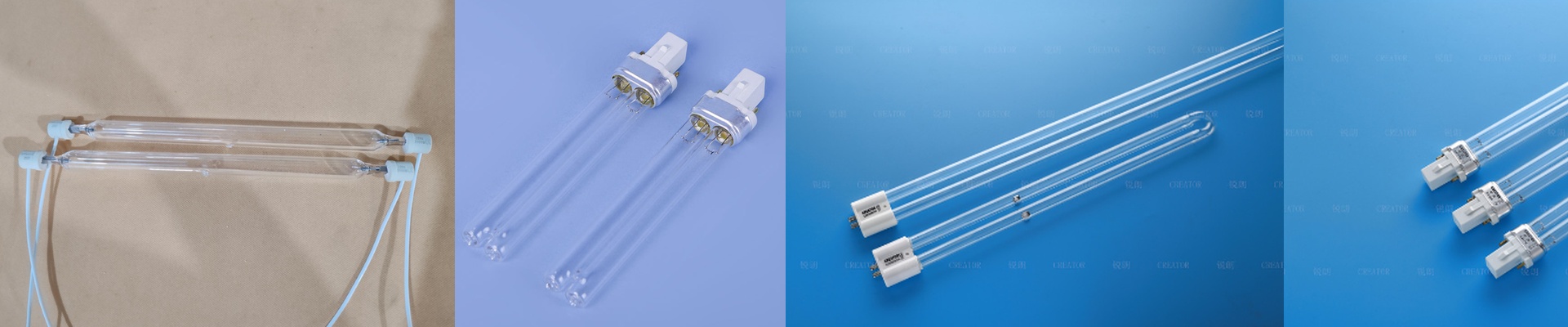
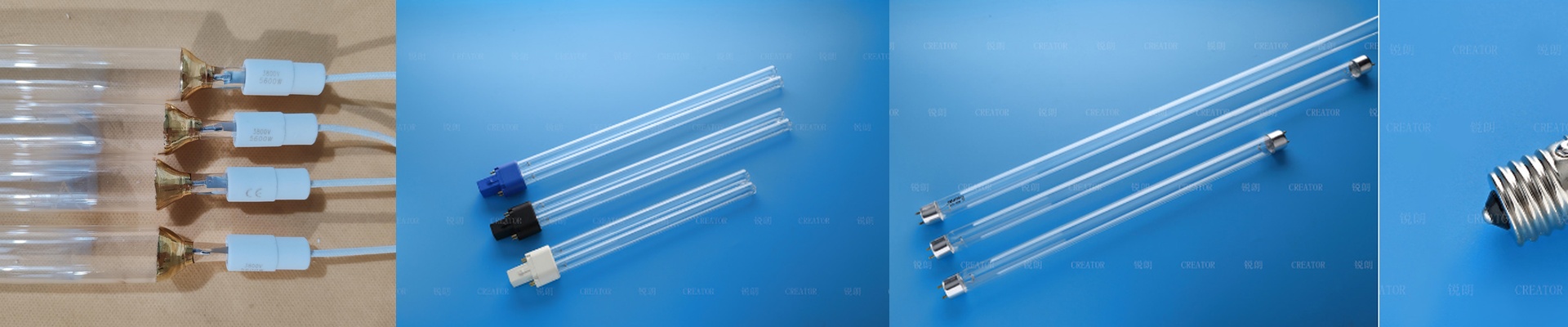
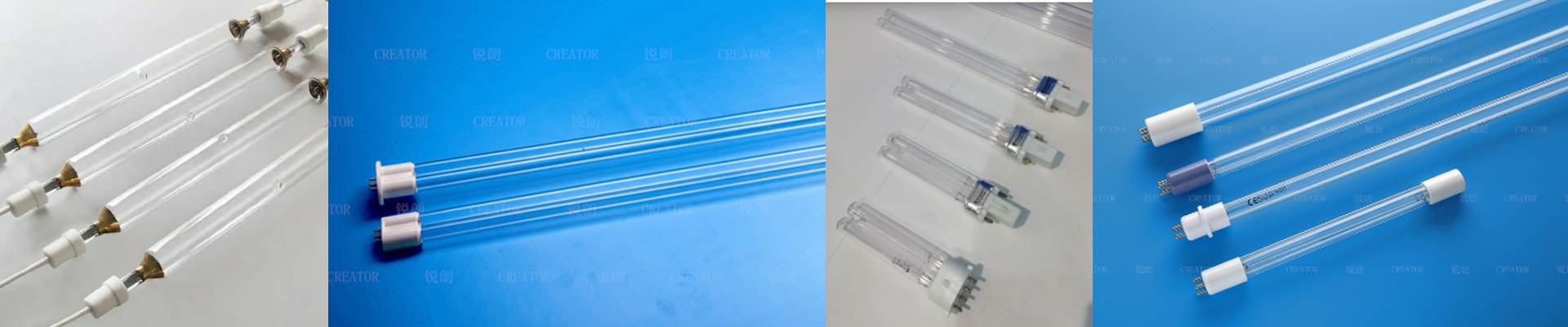
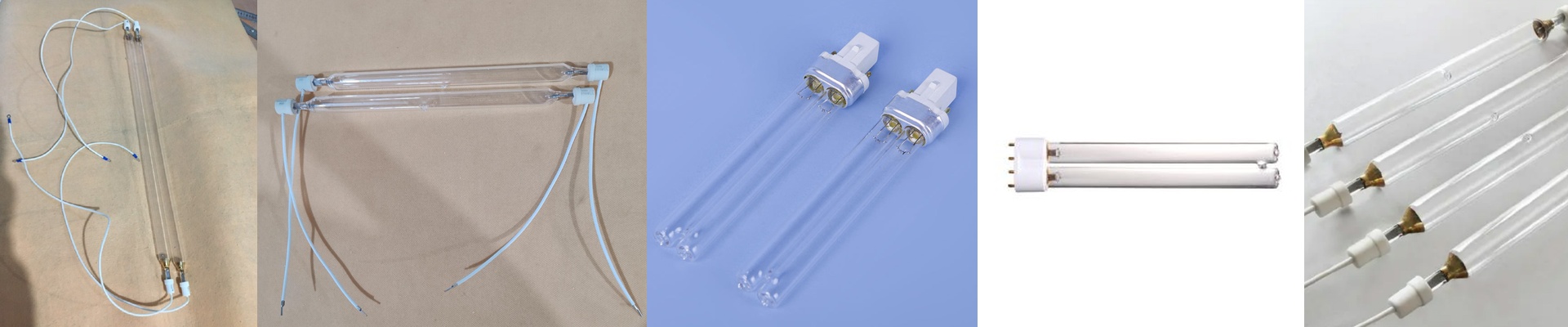
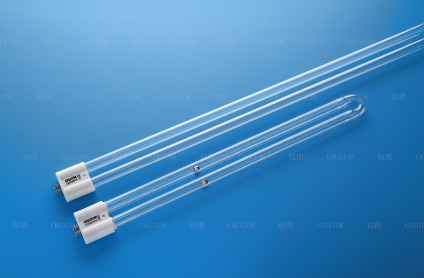
Home appliance buyers have moved on from “clean.” They want proof of disinfection. Whether it’s a dishwasher, a shoe cabinet, or a countertop unit, the feature only matters if the microbial kill is real. Generic UV lamps usually bomb on one of three things: they’re too big, too underpowered, or too electrically noisy to fit cleanly into a built-in design. So we built a customizable UVC module around a 365nm spectral peak, specifically to live inside appliances without fighting space, heat, or reliability constraints. What matters under the hood We engineered the module around a stabilized 365nm UVC output. That wavelength works because DNA/RNA absorption in this band gives you effective germicidal action while still allowing compact optics. Peak irradiance is specified at the target plane, not at the lamp wall—so you can actually predict dose in mJ/cm² across the intended exposure area. Power density is matched to appliance voltage rails and thermal budgets, and we keep the driver heat away from sensitive plastics and electronics. The lamp uses an ozone-free quartz envelope and a dichroic reflector to shape the beam and hold output stability over time. Why it fits the appliance world In a dishwasher, the module drops into the spray arm or door cavity and delivers repeatable microbial reduction without dragging down cycle time. In a shoe cabinet, it runs quiet at low power and only fires when the door closes. Energy draw stays small, and heat stays contained. The payoff is a disinfection feature you can verify: faster cycle throughput, consistent microbial reduction, and fewer service calls. Units are rated for thousands of hours with controlled output degradation, so the performance claims still stand after repeated use. The practical details that bite you if you ignore them Integration is straightforward, but alignment is not optional. UVC intensity falls off with the square of distance, so hold the mounting tolerances tight—otherwise dose repeatability goes out the window. Keep the module out of direct solvent exposure and away from high-temperature steam paths. The quartz envelope is chemically resistant, but thermal shock can still crack it. Plan driver placement so you don’t cook EMI into sensors and control boards. And confirm your safety interlock logic meets local standards for UV exposure.