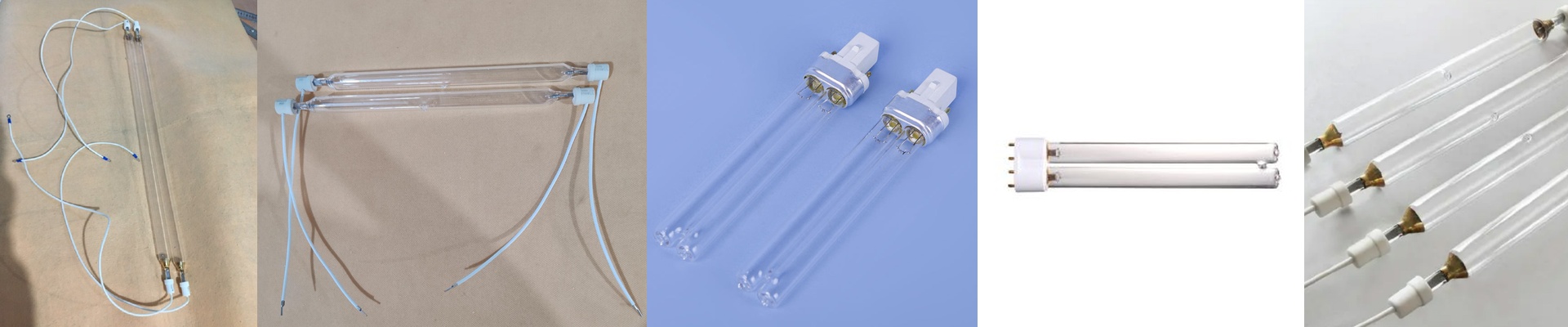
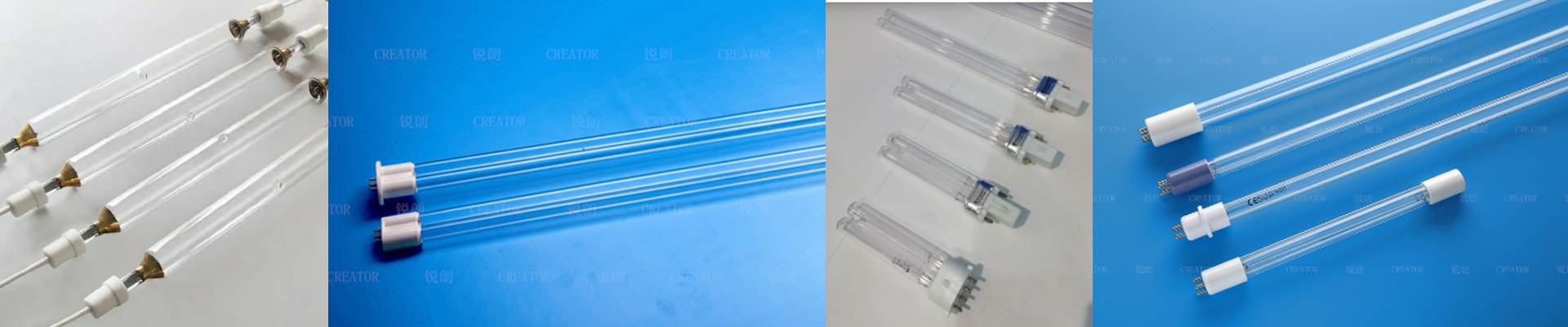
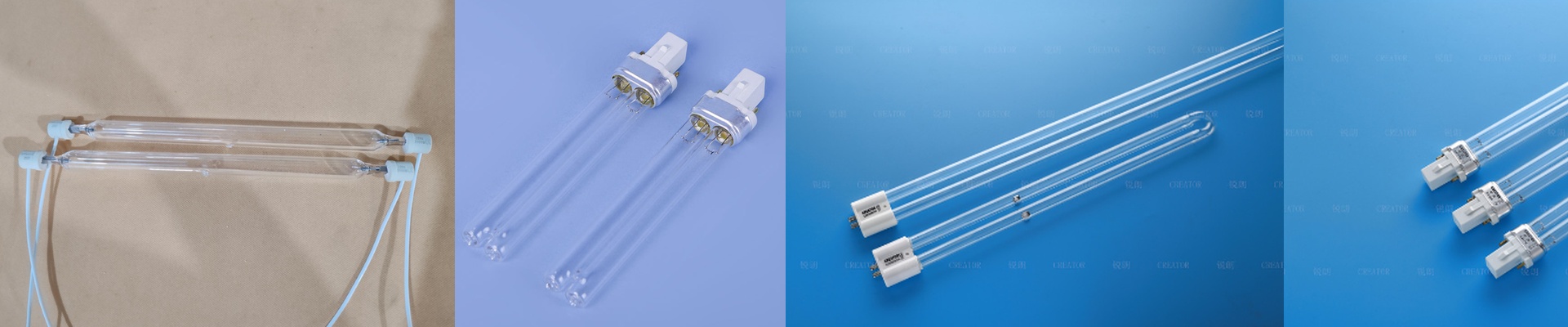
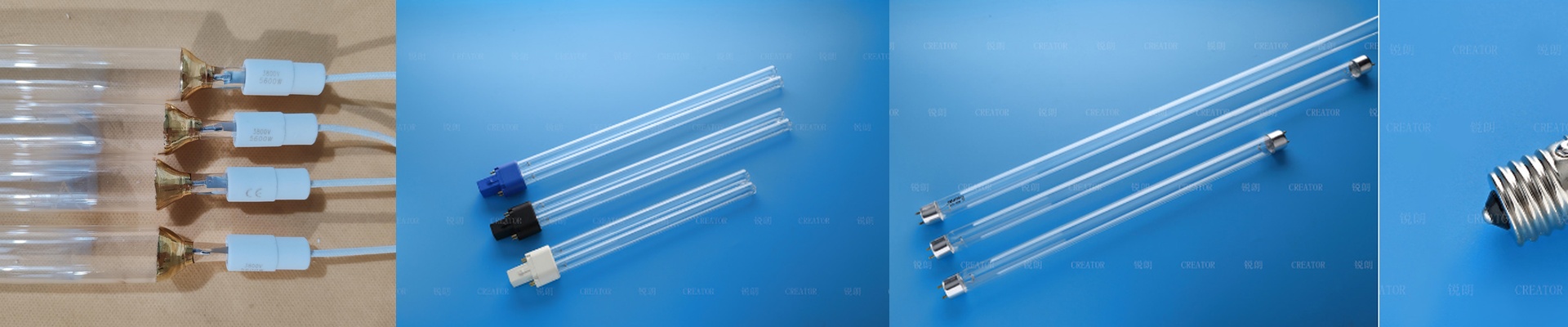
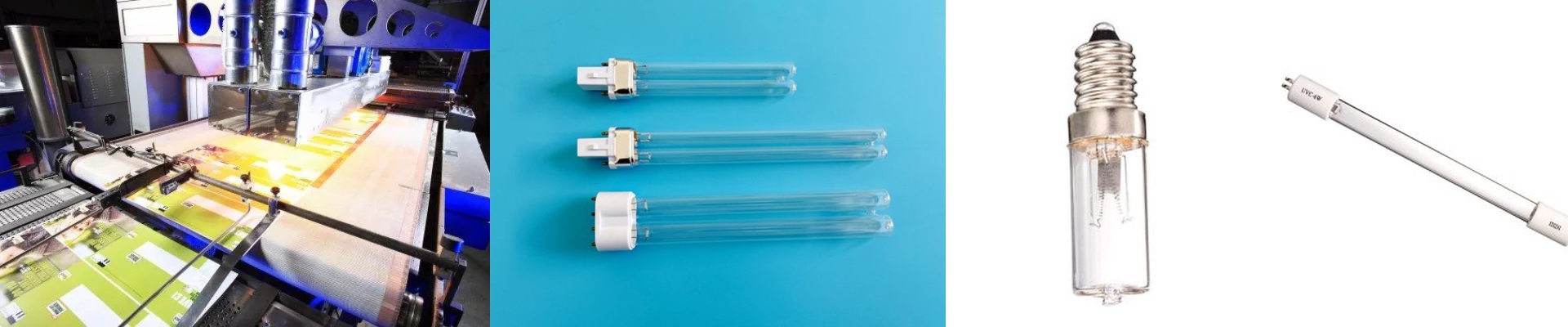
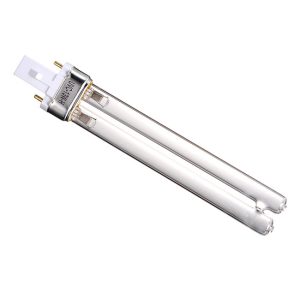
In a dental clinic, the sterilization chamber is the last line of defense against cross-infection. Standard cycles drag on, and inconsistent UV output leaves gaps in pathogen kill. So we built a UV disinfection lamp that treats the job like an engineering problem, not a guess. What matters technically We spec 365 nm because DNA/RNA absorption sits in the UV-C band, and that wavelength plays nicely with ozone-free quartz envelopes and a stable long-arc geometry. Peak irradiance at the target plane hits 120 mW/cm², and you get 1,200 mJ/cm² over a 30-second cycle—enough for ≥6-log reduction on the usual suspects. Power density is tuned to 1.8 W/cm² at the lamp axis. Reflectors are high-purity anodized aluminum with a dichroic coating, pushing efficiency past 88% by suppressing IR and keeping spectral purity tight. Lamp life is rated 5,000 hours with under 5% output drop, and the driver holds output within ±2% across the duty cycle. Why it works in this chamber The chamber is compact, so uniformity isn’t optional—it’s mandatory. This lamp maps a consistent dose across the instrument tray, so there are no cold spots that slip through standard cycles. Turnaround comes down without risking kill assurance, and the ozone-free design keeps staff exposure low. Energy draw drops about 25% compared with legacy broad-spectrum systems, and fewer lamp changes mean less maintenance downtime. Here’s what to watch for Installation needs a dedicated 24 V driver and enough airflow. At peak output, the lamp body runs hot, and you have to keep the reflector geometry fixed to maintain the specified distance. Don’t run this against acrylic windows—use borosilicate or quartz wherever the light passes. And match the chamber seals and shielding to the UV output. That’s how you keep patients and staff protected.