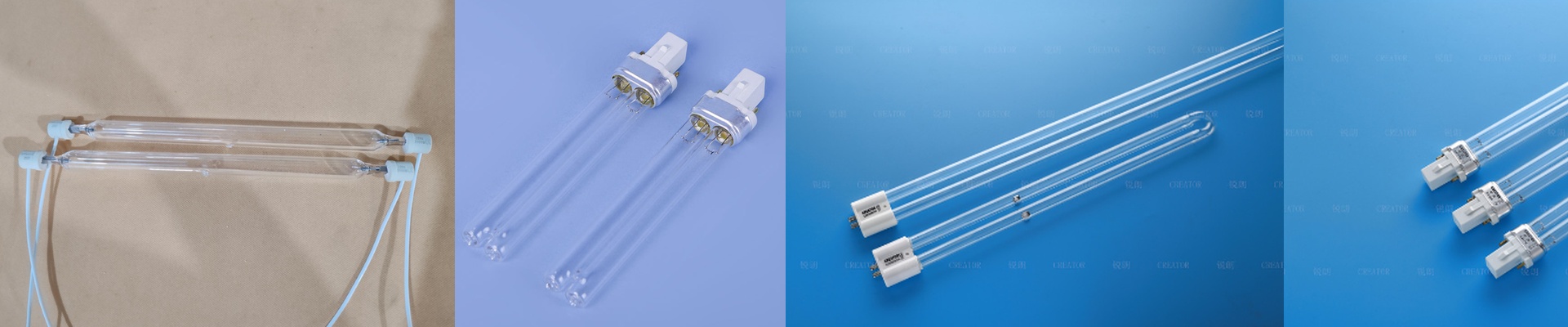
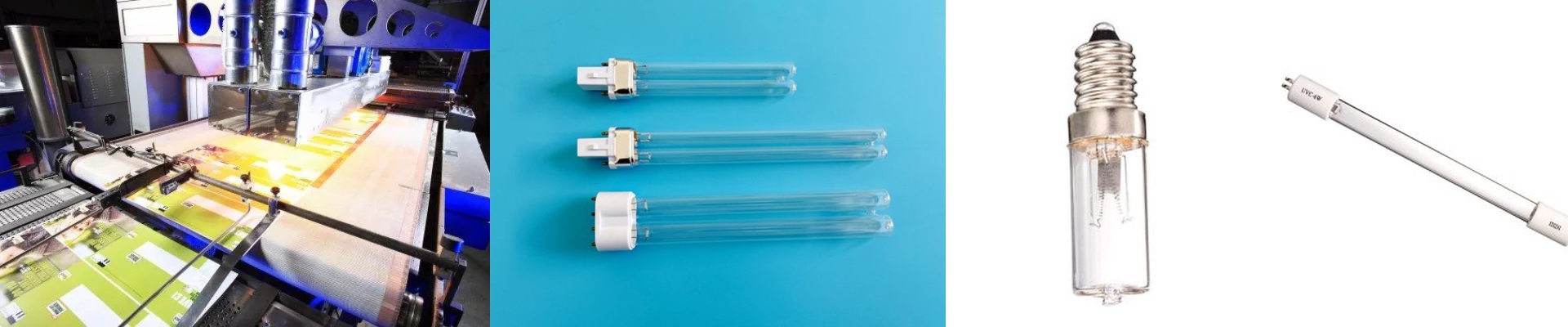
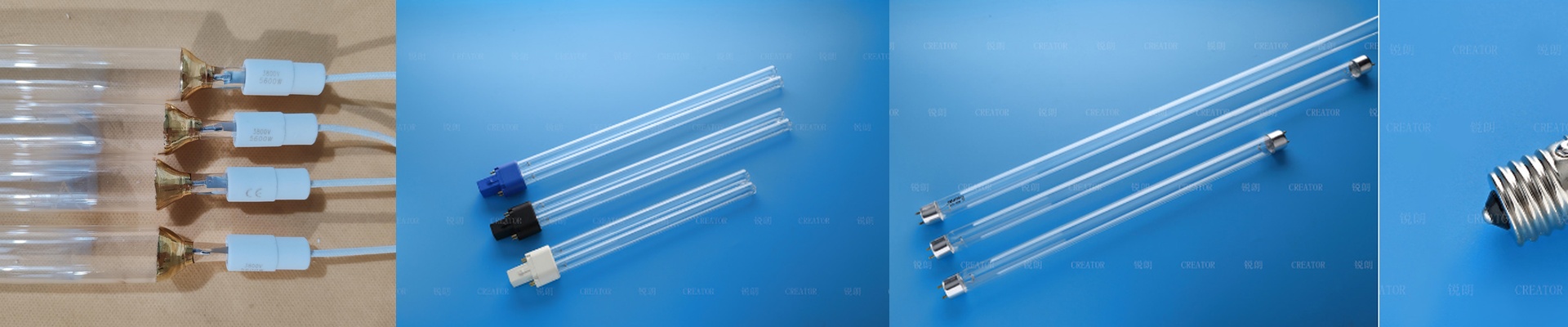
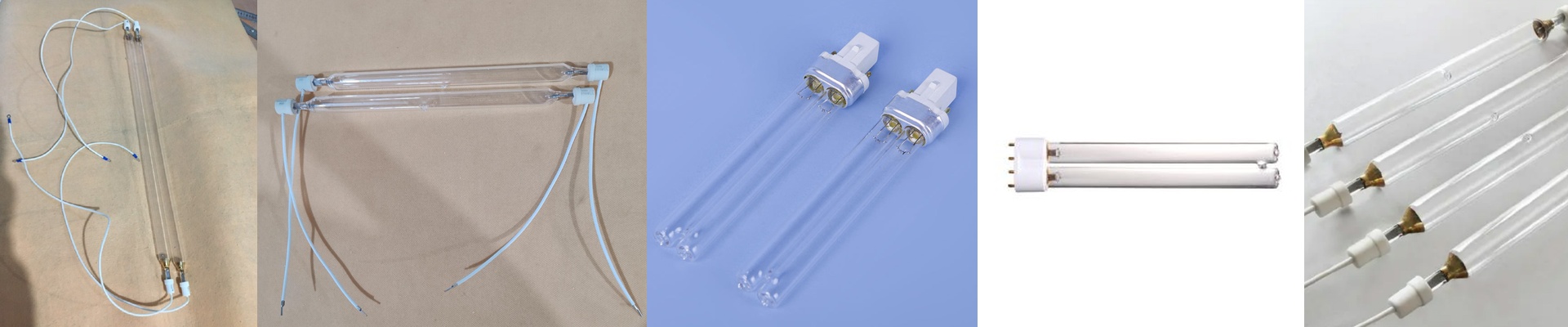
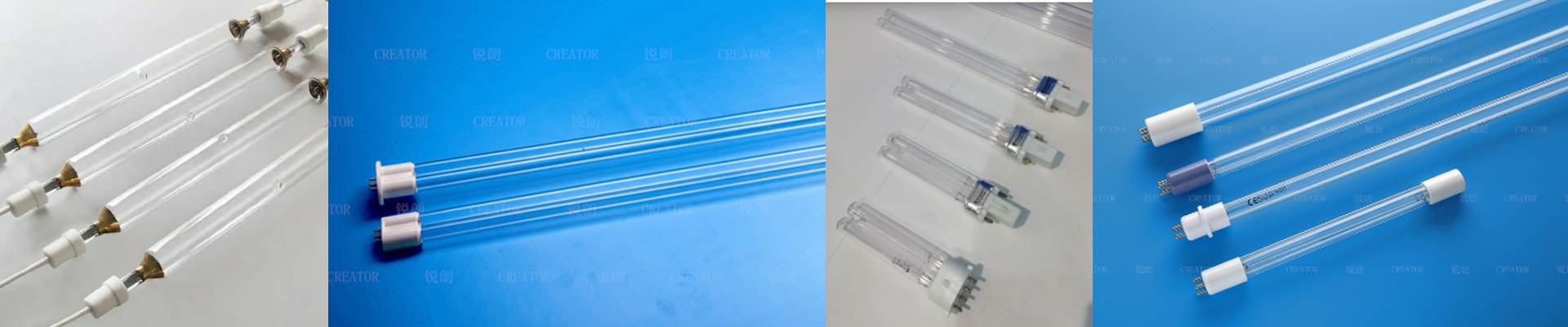
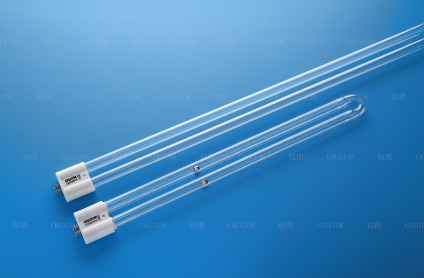
On the semiconductor line, wafer dicing leaves behind a UV-sensitive film that has to peel clean—no heat, no residue, and no damage to the die. Pick the wrong lamp, and you’re left with adhesive that won’t let go. That means rework, and yield walking out the door. We built submersible UV germicidal lamps for exactly this: the right spectral output, precisely targeted, so debonding happens fast and under control. What actually matters technically It comes down to wavelength matching. You set the lamp to the film’s photoinitiator absorption band—typically around 365 nm—keep the spectral width tight, and hold output steady. Peak irradiance is specified right at the work plane, and the curing energy density is delivered as a repeatable dose in mJ/cm². The quartz envelope and reflector geometry are chosen to get more usable UV where you need it. An ozone-free design keeps the cleanroom environment compliant. And when we talk output, we’re talking spectral radiometry, not marketing claims. Why this approach works in post-cut debonding In post-cut debonding, speed and control are the same thing. Our submersible units immerse the film in a uniform field, so the entire bond line gets the same dose at the same time. That uniformity is what prevents edge lifting and incomplete release, which in turn keeps cycle times up and peel force consistent. The payoff is fewer micro-cracks on delicate die, less rework, and throughput you can plan around. Energy use drops because the lamp hits the required energy density on target, without wasting energy across the spectrum. The details you can’t skip Submersible operation means you have to pay attention to coolant compatibility and sealing. Confirm the lamp jacket material against your coolant chemistry, and keep flow rates where they need to be so the quartz runs at the designed temperature. Output stability depends on stable power and lamp age, so schedule replacements based on measured irradiance drift, not hours alone. Make sure the lamp fits your fixture dimensionally, and align the reflector to the film path so you don’t get shadowing.