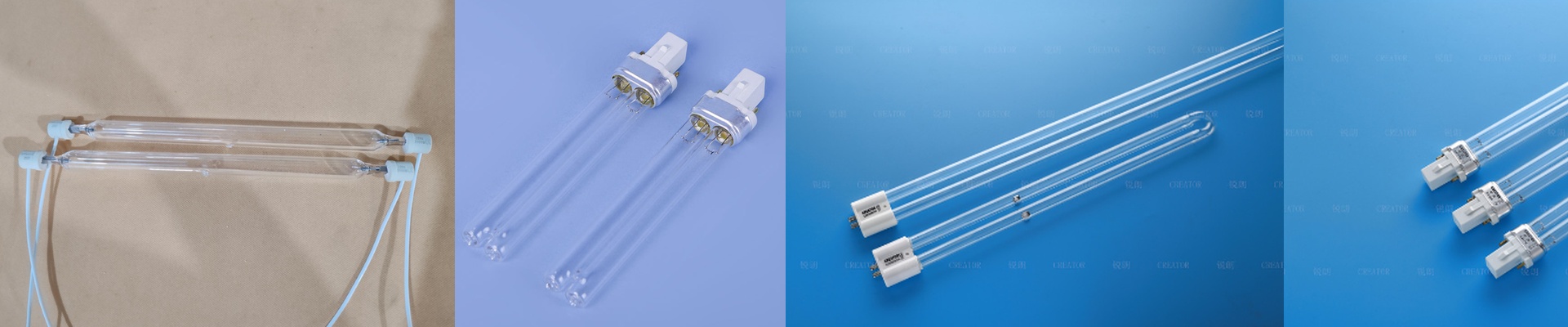
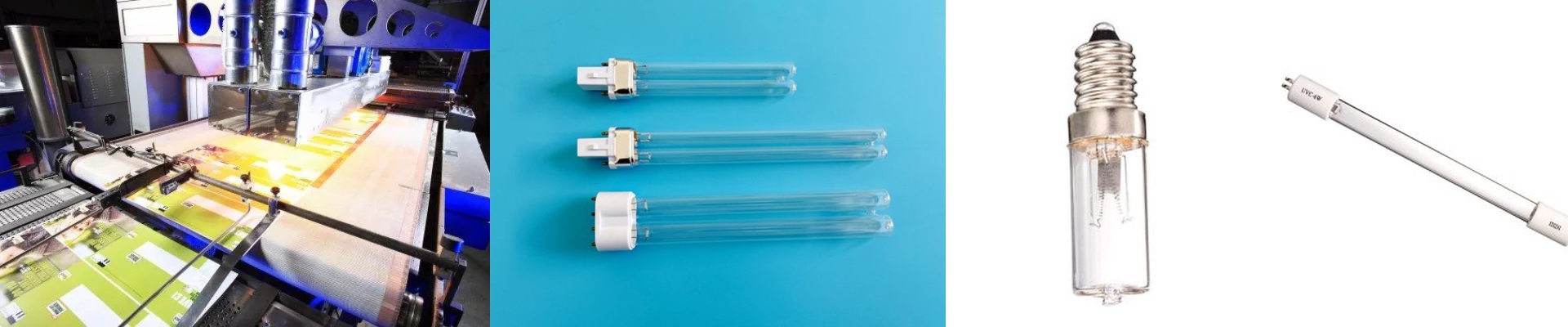
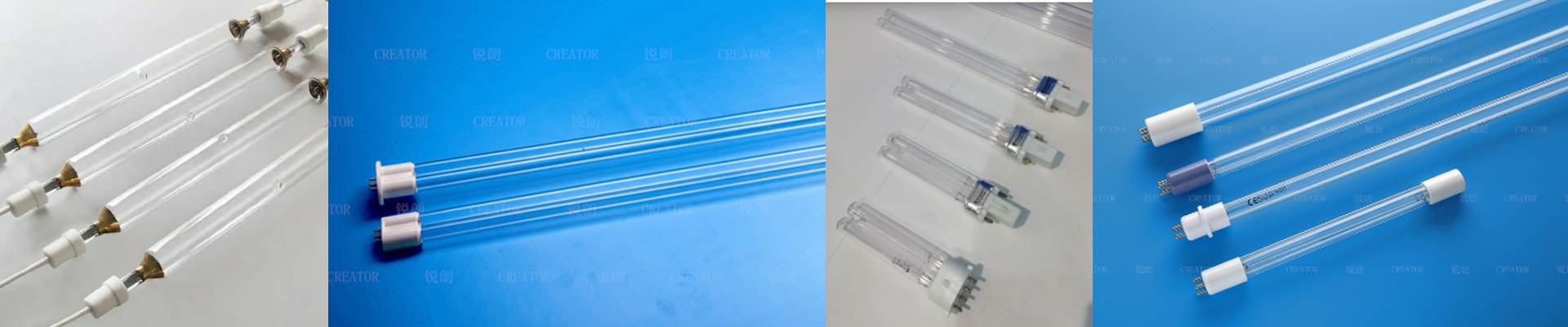
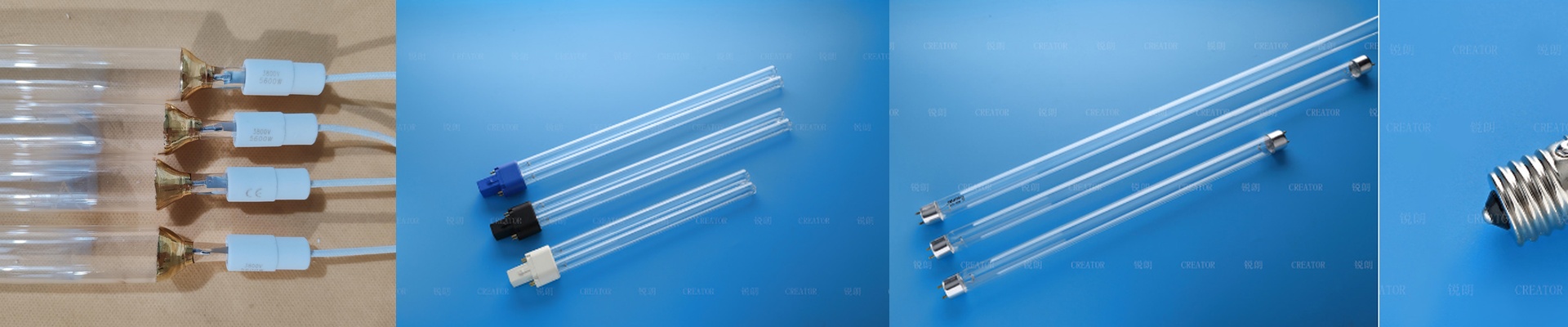
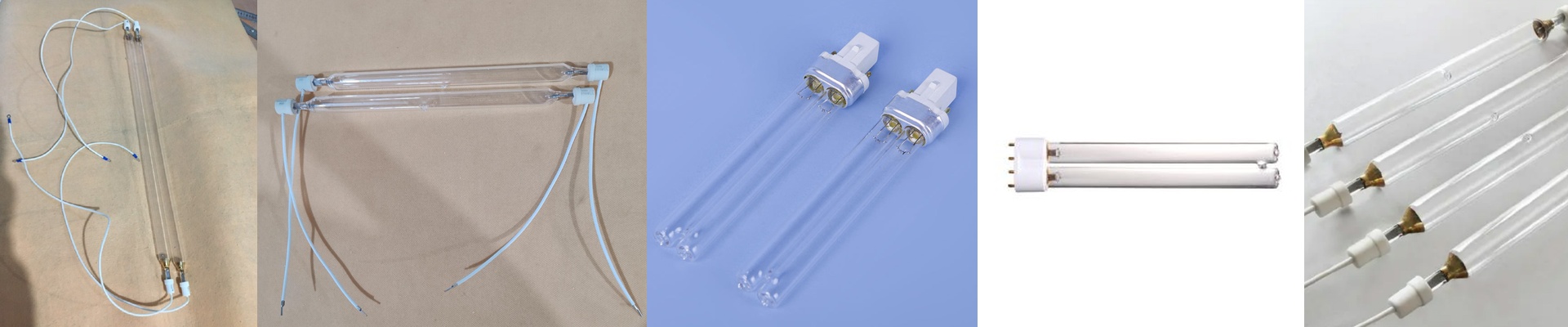
After walking through around 3,000 printing plants, one thing has become obvious: today’s production needs a UV lamp built around spectral control, not just brute-force wattage. The Gallium iodide UV curing system goes straight at that problem. Its main output sits right on 365nm, which lines up with the absorption band of the photoinitiators in offset, flexo, and screen inks. You get peak irradiance of 1200 mW/cm² at the arc, and the power density stays consistent across the full arc length. On typical substrates, you can run curing speeds of 150–300 m/min without the line cooking the sheet. What matters under the hood Gallium iodide doping shifts the mercury vapor spectrum, cutting down the broadband UVB/UVC and sharpening the 365nm line. That means photoinitiators absorb more efficiently, so you don’t have to throw as much energy at the ink to get full cross-linking. The lamp runs ozone-free, and the dichroic-coated quartz envelope reflects unused UV back into the curing zone, which boosts the effective dose. Output stability holds within ±3% over 2000 hours, and it comes up to full intensity in under 120 seconds. Keep cooling and reflector alignment on point, and you can expect 5,000+ hours of operation with less than 5% drop in spectral output. Why this plays on the floor When you’re running mixed ink sets on the same line, repeatability from run to run is the only thing that keeps you honest. The 365nm peak gives you consistent penetration on opaque whites and high-pigment layers, while keeping substrate heating in check on thin films. The payoff shows up as fewer pinholes, better adhesion, and less warp on heat-sensitive stocks. Energy draw drops compared to conventional high-pressure mercury lamps because the spectral energy is focused where it actually drives polymerization. Fewer rejects, stable register, and fewer lamp changes follow. Things to keep straight Gallium iodide lamps need reflector geometry dialed in and clean cooling air to hold that 365nm peak. If you’re retrofitting, existing curing stations may need reflector re-optimization and a check on shutter versus shutterless integration. Make sure the lamp matches your ink’s photoinitiator package — if your ink set is tuned for 385nm or 405nm, you won’t get the full spectral benefit. And run a radiometer to confirm dose at the substrate plane, not just at the lamp.