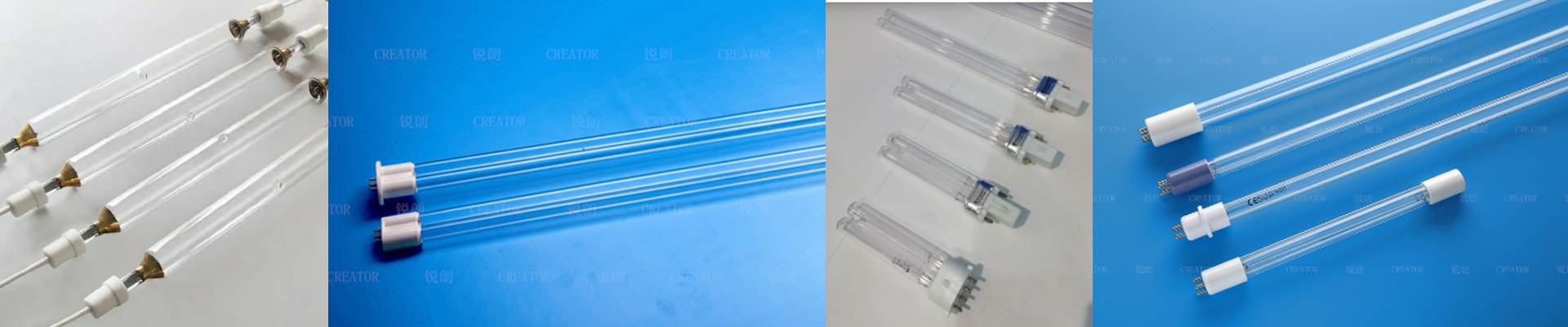
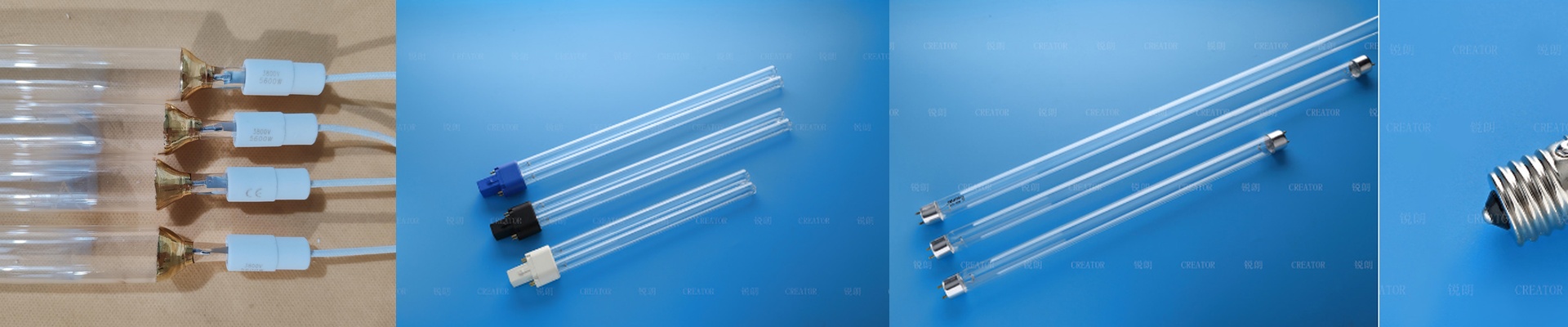
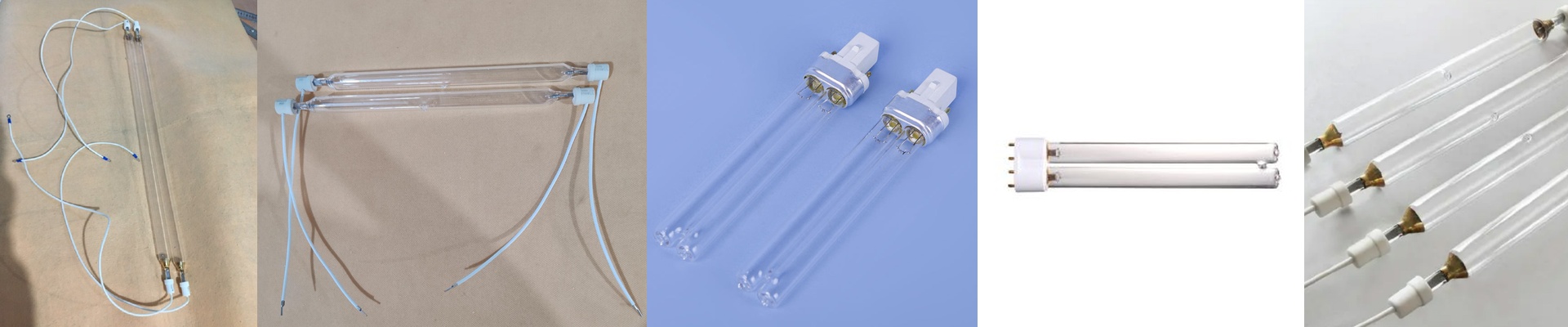
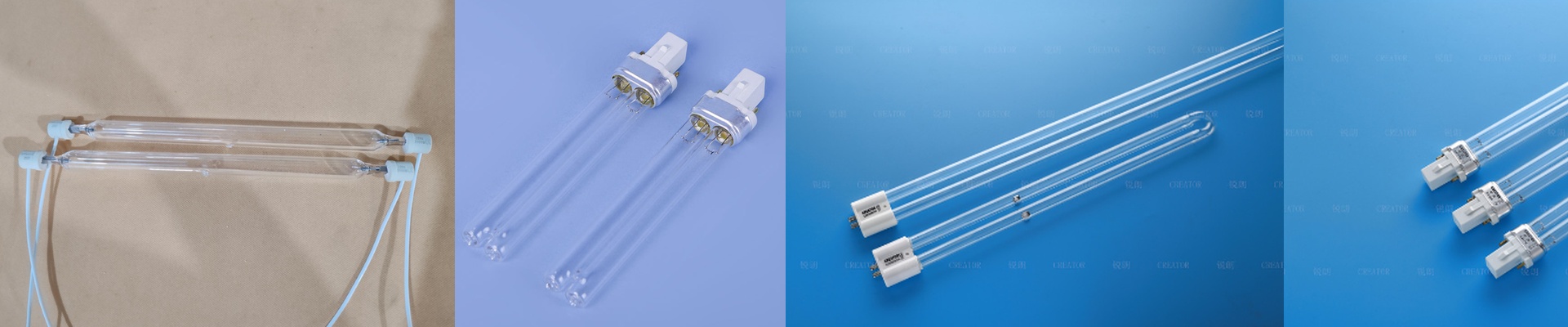
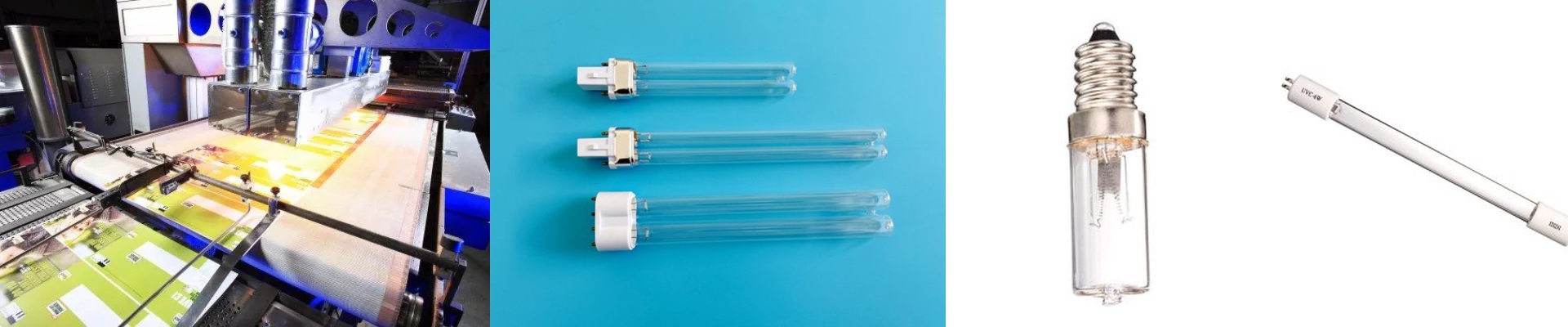
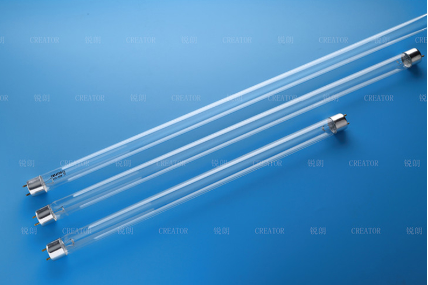
Streetwear print houses live and die by tight schedules, and color accuracy is the line you can’t cross. When you’re running high-end pigments and metallics, a sharp, saturated print and a dull, mottled sheet often come down to one thing: how well you manage the UV output maintenance factor. If lamp intensity drifts, the photoinitiator conversion falls short, and color reproduction falls apart. What matters under the hood We build lamps around stable spectral output—mercury vapor systems typically centered at 365 nm—so peak irradiance delivers the required energy density (mJ/cm²) across the substrate. Power density at the arc is tuned to hit rapid cross-linking without scorching thin synthetics. Keeping the UV output maintenance factor in line means controlling electrode erosion, keeping reflector reflectivity up with high-purity dichroic coatings, and running at controlled junction temperatures to slow quartz devitrification. The goal is intensity curves that stay smooth, not step-function drops, across 2,000–3,000 hours. And here’s why that matters on press. High-end color only holds true when cure energy is consistent. Stable peak irradiance keeps pigments sitting exactly where the formula says, dot gain stays under control, metallics lay flat, and white underbases cure fully on the first pass. The payoff is fewer reprints, consistent Pantone matches, and faster cycle times. You also get longer lamp life, fewer lamp swaps, and predictable energy draw—lowering the cost per impression. A few shop-floor realities. Custom lamps demand precise mounting and spacing. If reflector alignment and focal distance drift off tolerance, intensity uniformity goes sideways, and you’ll see color shift across the sheet. Make sure your printer’s power supply, ignition method, and cooling profile are all on the same page. Pushing higher power just to chase speed will shorten lamp life. Balance irradiance, speed, and duty cycle, and you’ll get the stable performance you need, shift after shift.