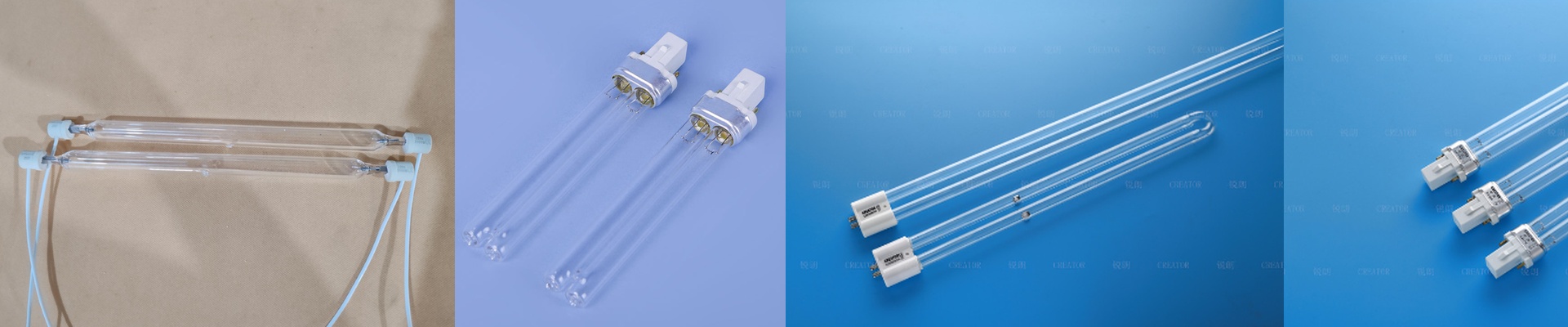
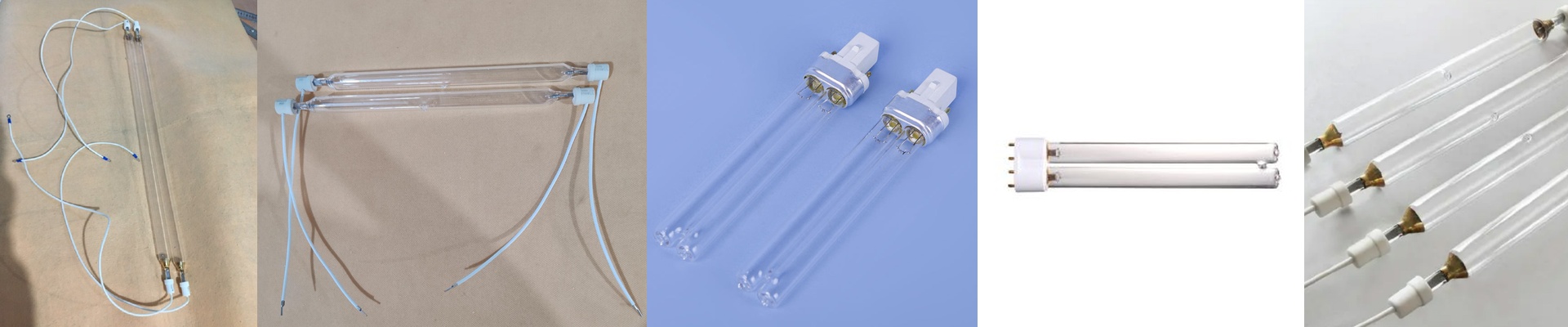
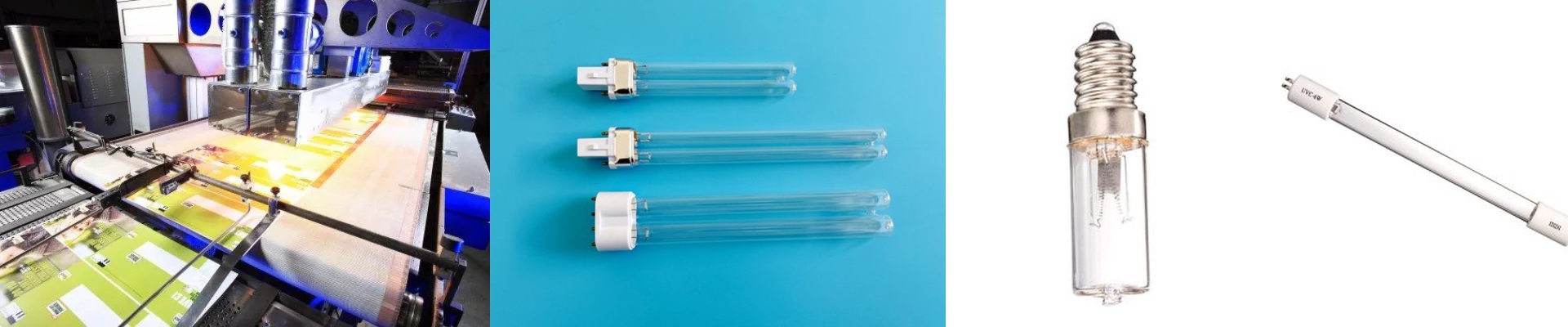
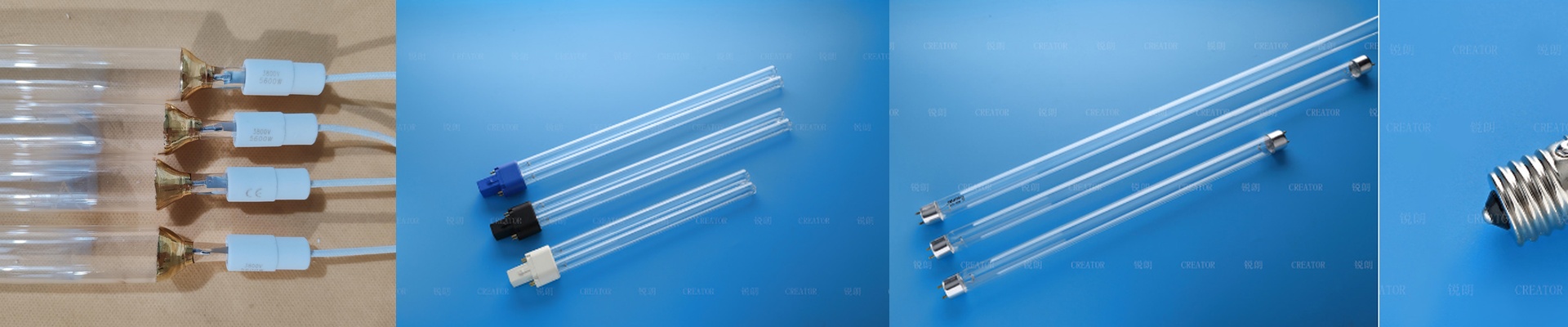
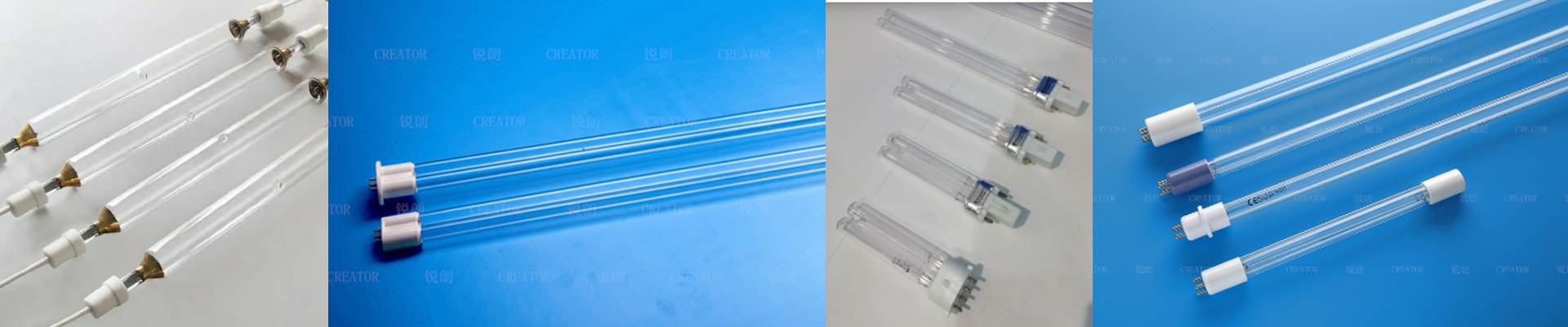
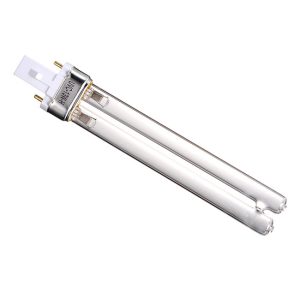
Out on the press floor, a lamp going down mid-run doesn’t just stop the line—it turns a good run into scrap. We build our high-intensity mercury UV tubes to keep that from happening. Before a tube ever leaves the plant, it runs for two hours at full rated power on a controlled, instrumented load. We log ignition time, warm-up ramp, arc stability, and spectral output. If the curve wanders, the tube doesn’t ship. That means 100% inspection and a defect rate that stays effectively zero. What counts is what you can measure. These tubes deliver a stable mercury spectrum with real punch at 365 nm, plus the broadband tail that gets photoinitiators going across offset, flexo, and screen inks. Peak irradiance at the focal plane is engineered above 12 W/cm², giving curing energy densities of 500–1200 mJ/cm² on typical substrates. Quartz envelopes and ozone-free designs keep the arc steady. Dichroic-coated reflectors shape the beam and hold output over the life of the lamp. You can expect stable output through 5,000+ hours, with less than 5% drop at the 365 nm peak. In production, the payoff is straightforward: reliability drives uptime and yield. With a pre-aged lamp, startup is repeatable—no warm-up drift, no color shift on the first few sheets. You get consistent cross-linking, lower energy per cured job, and fewer lamp swaps. In practice, that translates to faster changeovers and a scrap rate that stays under control. One practical point: these lamps need matched reflectors and a clean cooling path. Keep airflow steady and the reflector free of dust; otherwise peak irradiance drops and the cure window shrinks. Always verify voltage and igniter compatibility on your specific press model to avoid cutting the lamp short.