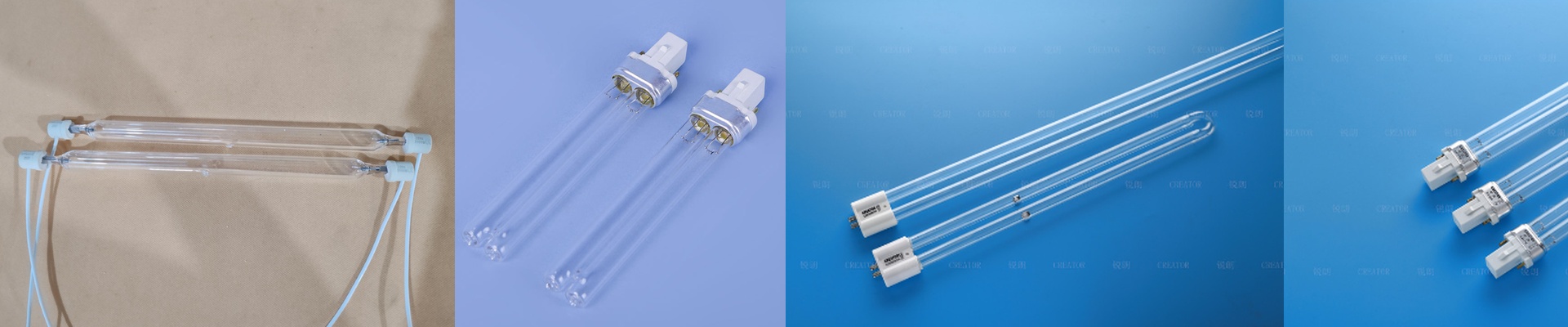
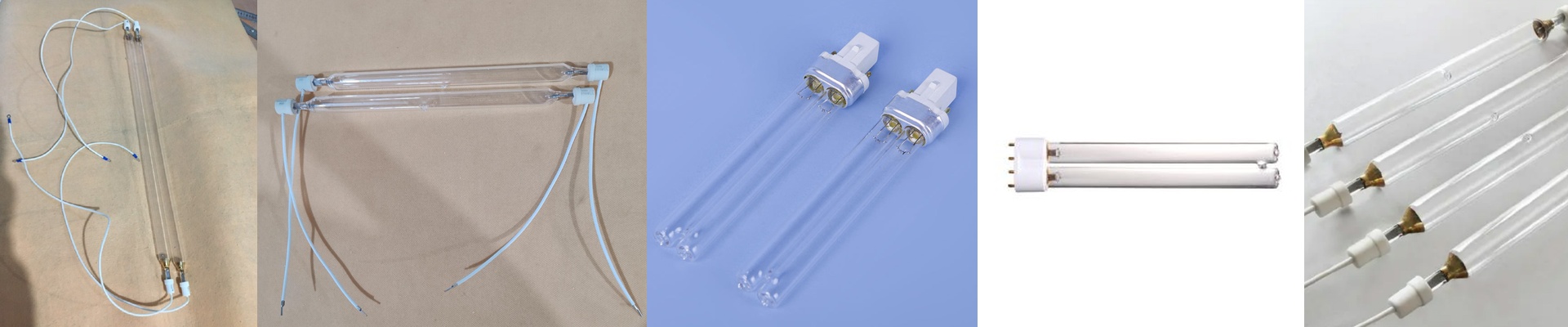
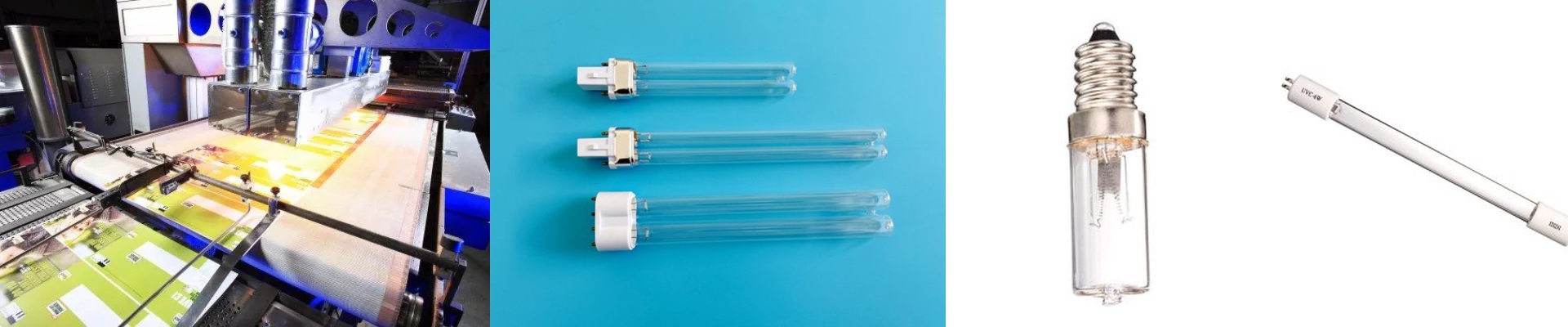
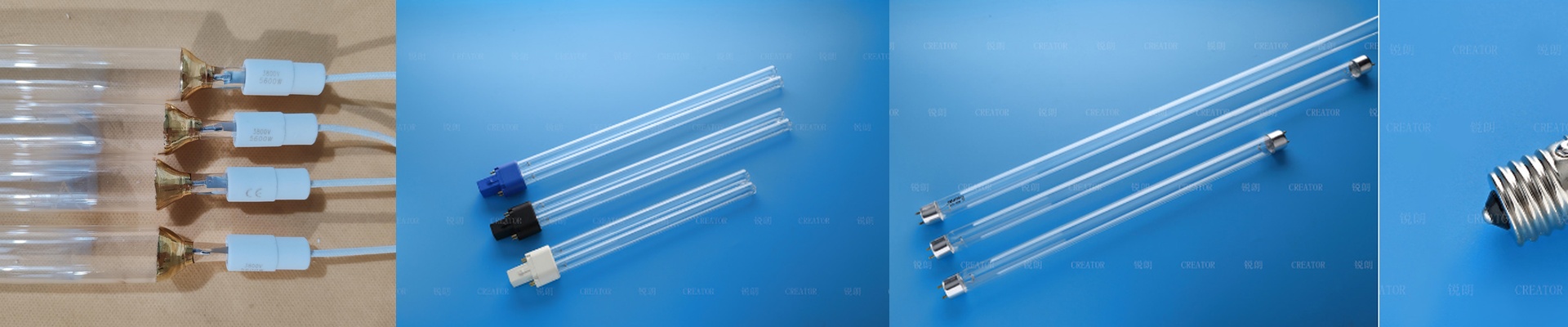
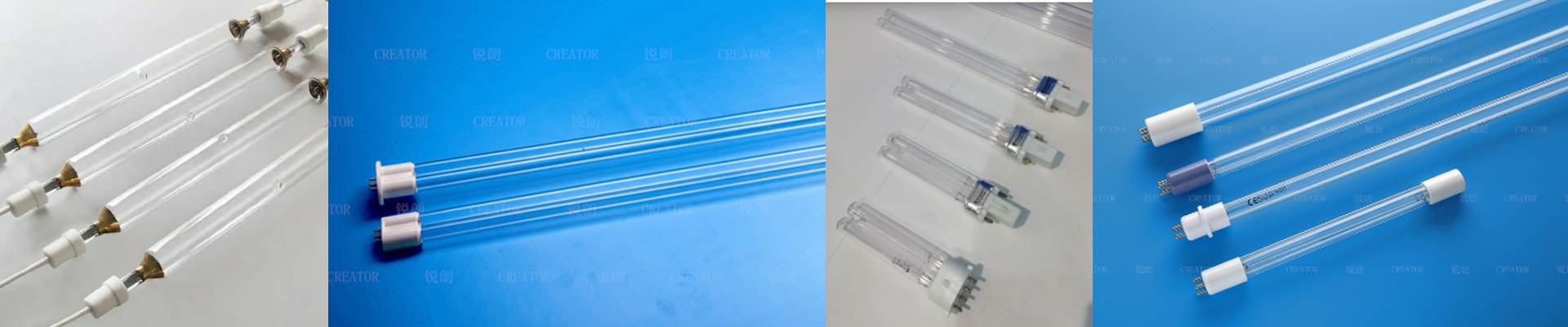
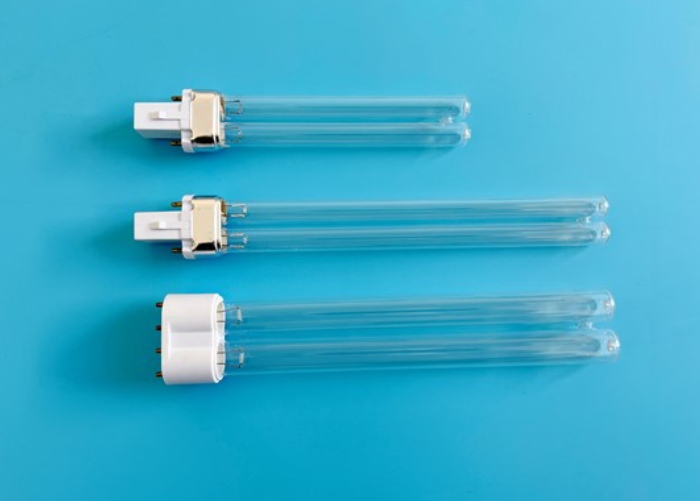
On the press floor, mismatched UV lamps don’t just slow the line. They leave ink uncured on the stack, scuff the delivery, and force rework that chews straight through your margin. The fix comes down to spectral control. What actually matters under the hood Quartz mercury UV lamps give you stable output across the UVA band, with a strong spike around 365 nm that lines up with the photoinitiator absorption in most offset, flexo, and screen UV inks. Cure speed is set by peak irradiance at the substrate; a properly matched lamp and reflector can hit 100–2000 mW/cm², depending on the system geometry. Quartz envelopes run hot and hold output steady over life, typically 1000–1500 hours before the output falls below what the process needs. We build them with ozone-free coatings and tight arc length tolerances so the UV dose at the web stays repeatable, shift after shift. Why this works across offset, flexo, and screen Offset demands deep through-cure without skinning. Flexo needs a fast surface set so you don’t get trapping. Screen printing needs high peak energy to lock down thick deposits. One quartz mercury lamp family—sized correctly in length, power, and end-fit—covers those needs by pairing the right spectral profile with the right reflector geometry. In practice, that means you can push press speeds, cut washups, and keep Moiré under control on the critical jobs. What you need to keep straight Quartz mercury lamps need ballast matching and steady airflow to stay thermally stable. Under-cooling shortens lamp life. Over-cooling shifts output and can raise ozone risk. Lamp length has to match the reflector and cure zone; even a 10 mm mismatch throws off irradiance uniformity. Give it a 10-minute warm-up to hit stable output, then verify cure with a radiometer. You’ll get higher peak energy than LED-UV in many formulations, but you’re also dealing with higher operating temperatures and stricter lamp handling.