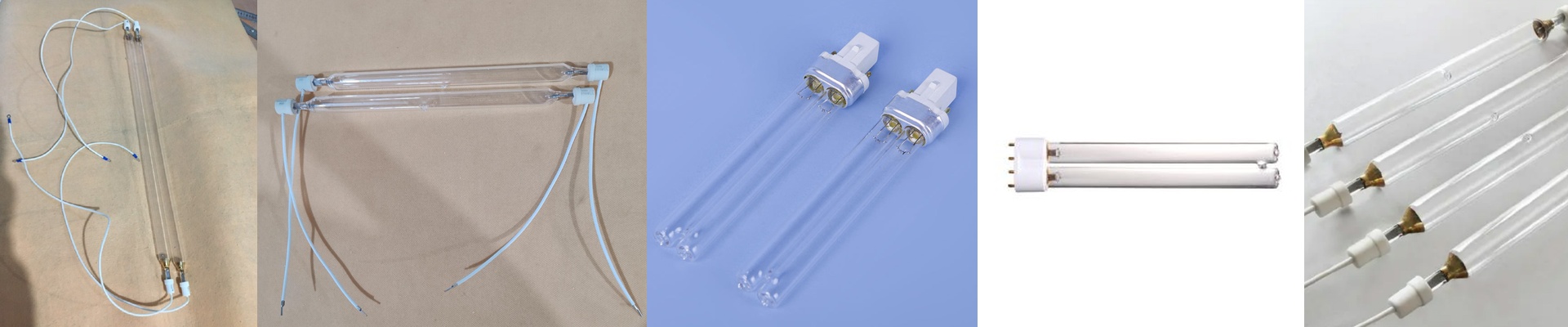
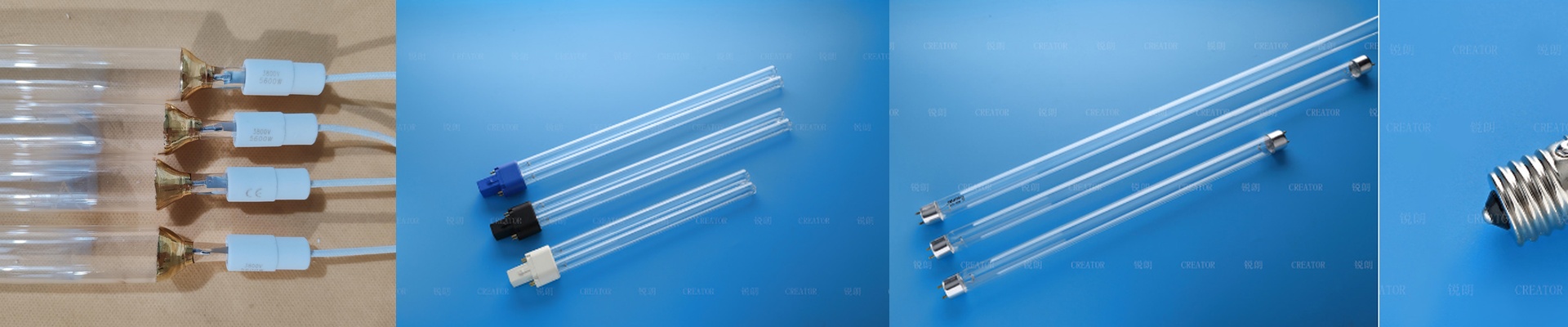
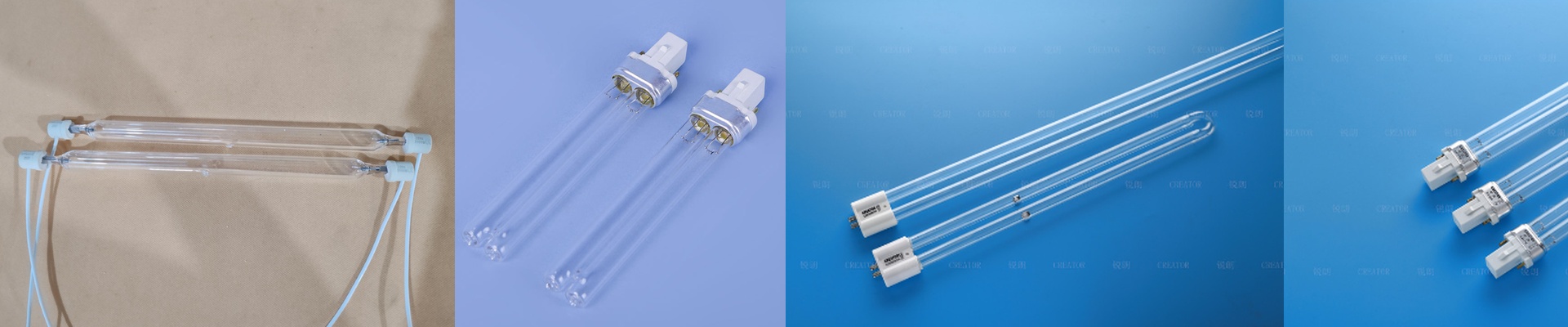
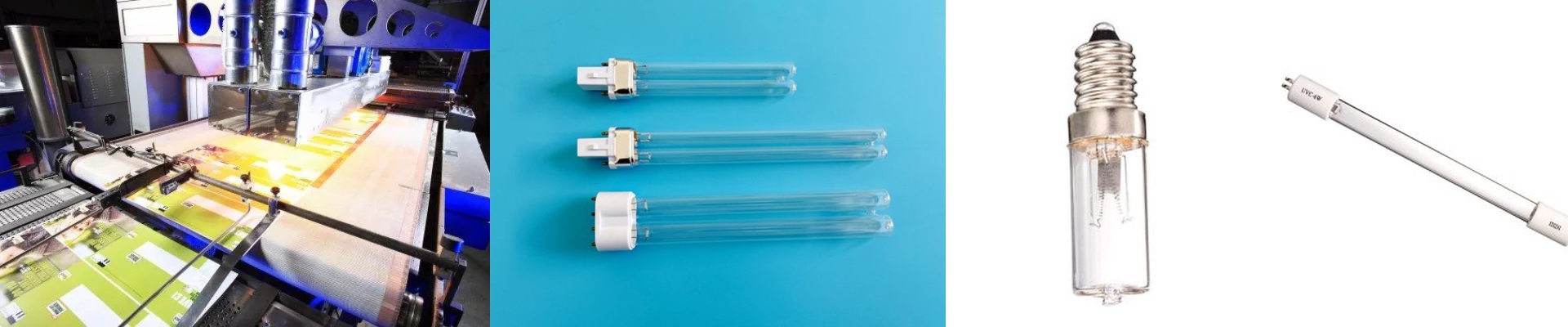
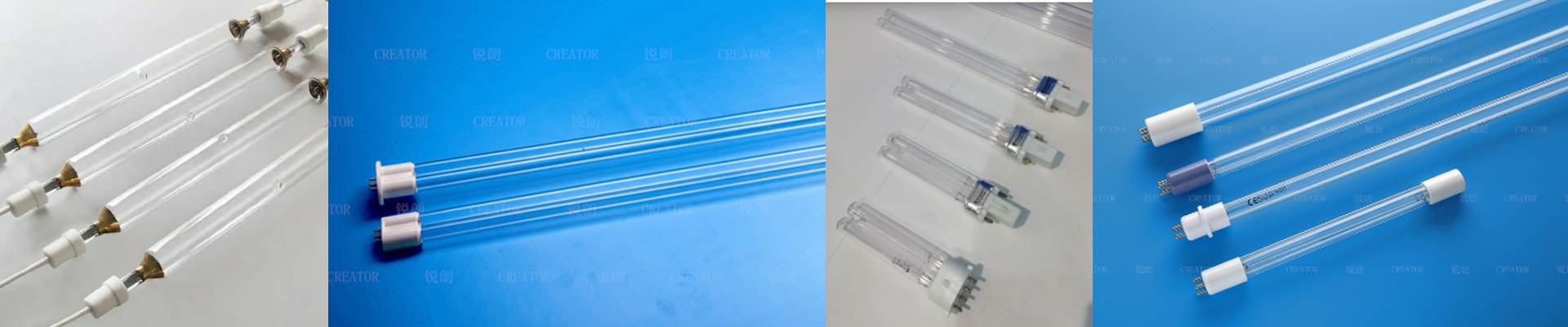
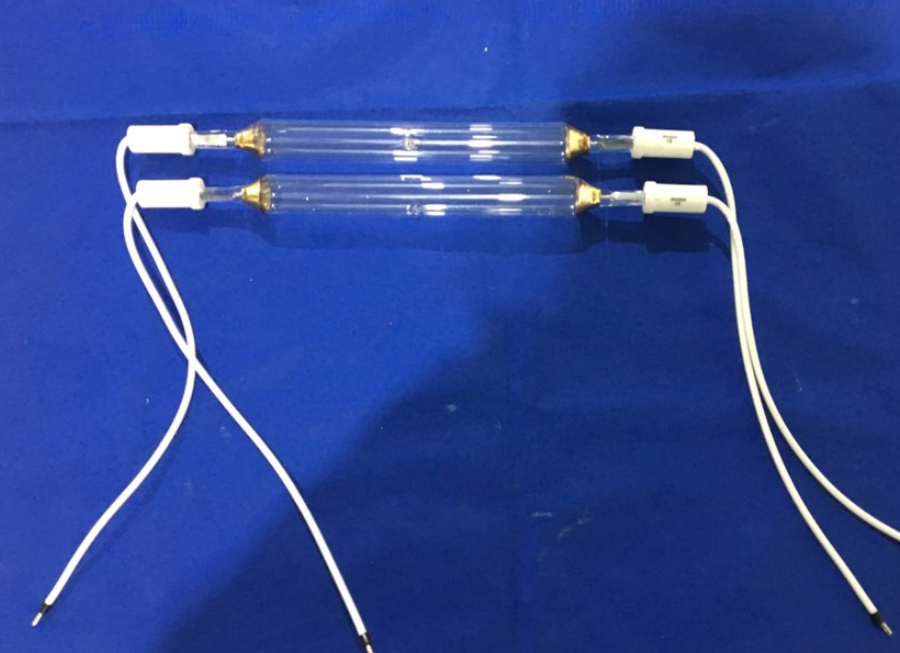
When microbial counts start creeping up in a production water loop, you don’t get a polite heads-up. You get scrap, rework, and downtime. UV water sterilization only does its job when the dose is honest—dose being irradiance multiplied by exposure time. If lamp output falls off or the spectrum drifts, your validation numbers turn into wishful thinking. What actually matters under the hood We spec this sterilizer lamp around a low-pressure mercury vapor source, housed in a high-purity quartz sleeve. The primary germicidal output lands at 254nm, hitting microbial DNA and RNA hard and creating lethal photoproducts. No heat, no chemicals—just photobiology. The quartz envelope keeps UV transmission solid and handles the thermal cycling you see in recirculating systems without blinking. The lamp is built for stable output over life, with a controlled decay curve so you can plan replacements around validation windows, not scramble after an excursion. Why it fits the realities of recirculating water lines In recirculation lines feeding process equipment, you need repeatable kill without building up chemical residue. This lamp gives you predictable irradiance at the sleeve surface, so dose calculations stay consistent for your flow rates and water clarity. The payoff is fewer biofilm-driven upsets, tighter control of microbial limits, and less day-to-day variability in product quality. Energy use stays steady, too, because the lamp runs at its designed arc temperature and voltage—no efficiency hit from under-driving or over-driving it. The shop-floor details you can’t skip UV output is touchy when fouling shows up, so sleeve cleanliness directly controls the dose that actually reaches the water. Build quartz maintenance into the routine, and make sure you let the lamp warm up before taking readings—output stabilizes after a short run-in. Also, confirm system compatibility. The lamp needs the right ballast and ignition profile, and the sleeve dimensions have to match the reactor housing. If they don’t, you lose the designed hydraulics and the intended UV path length.