Getting the UV Spectrum Right
Most UV lamps just blast a broad spectrum of light. For a lot of jobs, that works fine. But in high-end industrial curing, “fine” usually leads to headaches. We’re obsessed with spectral energy concentration. Specifically, we push for a 0.5% tighter tolerance in how that energy is spread. Now, that sounds like a tiny number, but it’s not a marketing gimmick. It’s just physics.
The logic behind the light
Here’s the thing: every photoinitiator has a “sweet spot”—a specific wavelength where it actually wants to react. If your lamp is scattering energy all over the place, you’re basically paying for power that just turns into useless heat. By tightening that spectral window, we strip away the noise. We make sure the photons hitting your material are exactly what’s needed to trigger the reaction. When you hit that 0.5% mark, the cure happens faster. Period.
Dealing with the heat
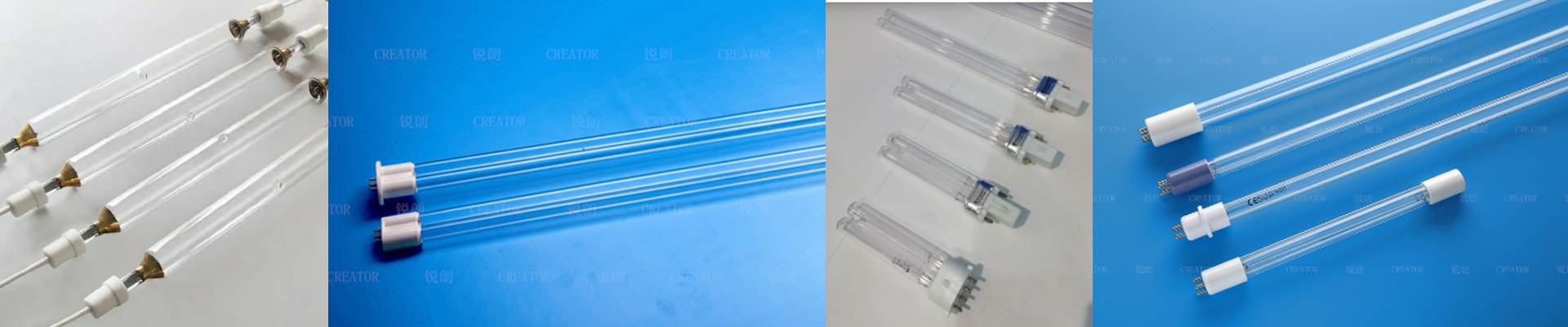
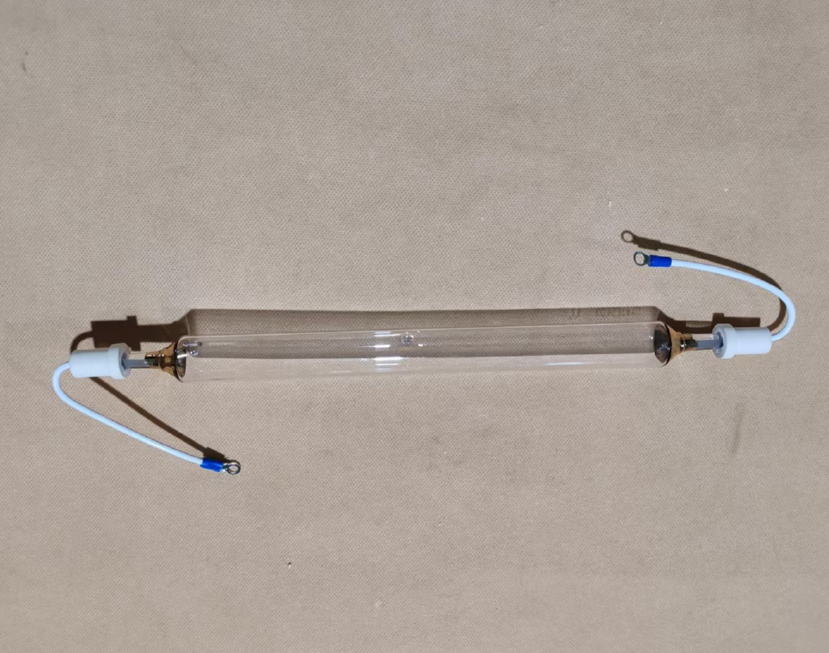
But there’s a catch. When you concentrate energy like this, things get hot. Fast. If you just crank up the wattage without a plan, your substrate might warp or your resin could shrink. It’s a balancing act. We use specific quartz sleeve thicknesses to keep the structure solid while letting those target wavelengths slide right through. And a heads-up: your cooling system needs to be up to the task. If it can’t handle the infrared load, your lamp life is going to tank.
Making it work on your line
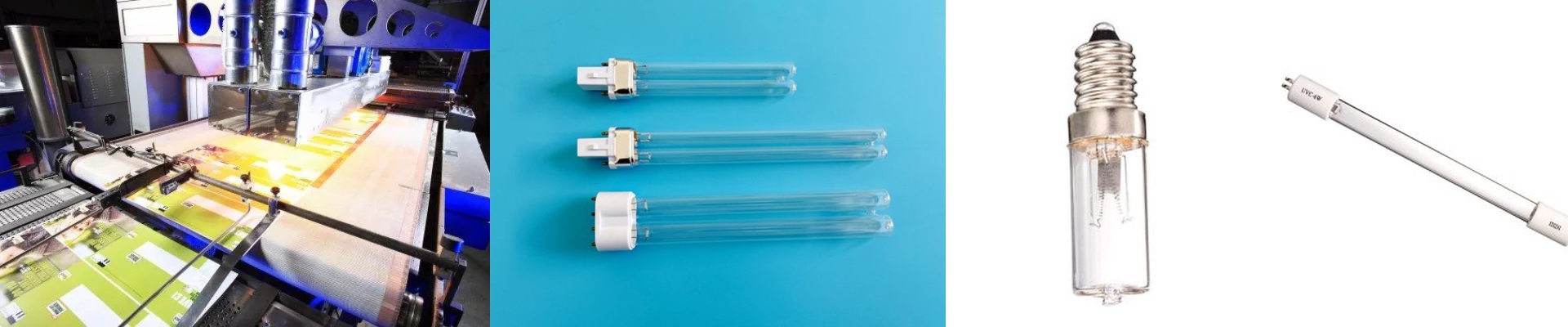
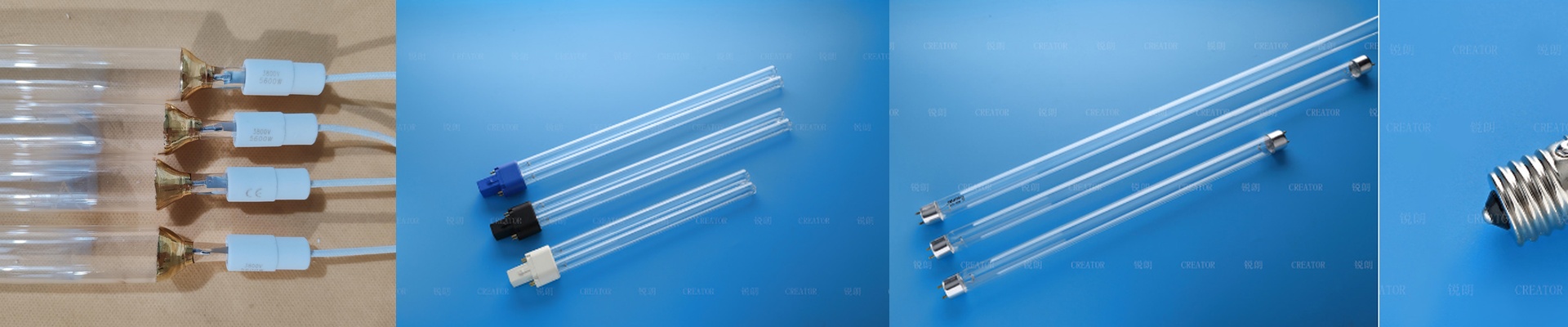
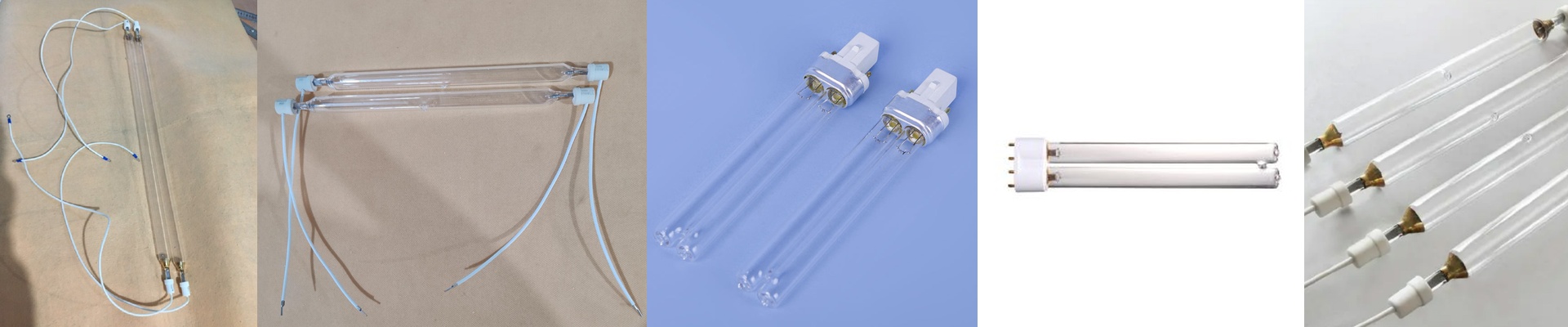
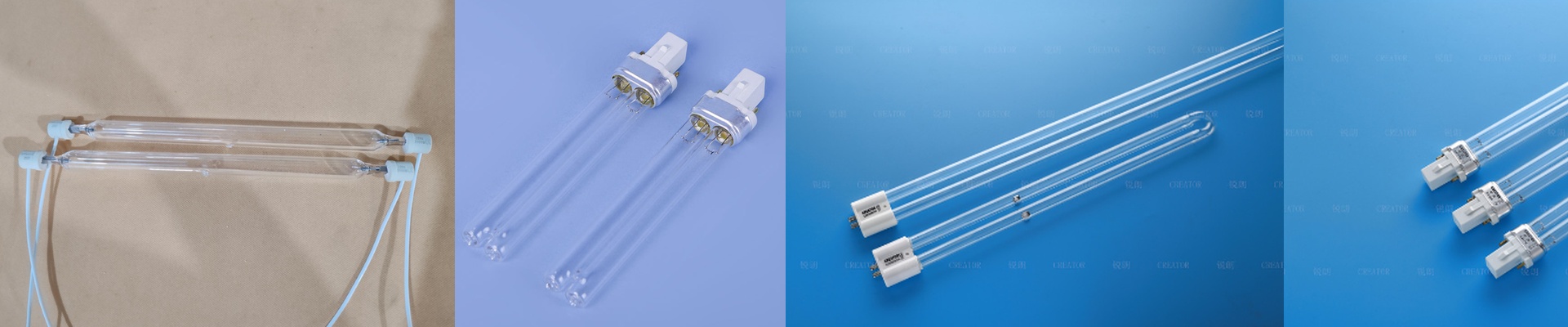
We can set these up as custom arrays or just simple drop-in replacements. Because the energy is so focused, you don’t need a massive curing tunnel. You get the same depth of cure in a much shorter distance, which saves a ton of floor space. We also use heavy-duty connectors because voltage drops are a nightmare. If the power flickers, the spectral peak shifts, and that 0.5% precision vanishes. Keeping the arc stable is the only way to stop the constant stream of QC rejects and actually keep the line moving.