Don’t Blind Your Team: A No-Nonsense Guide to UV Lamp Safety
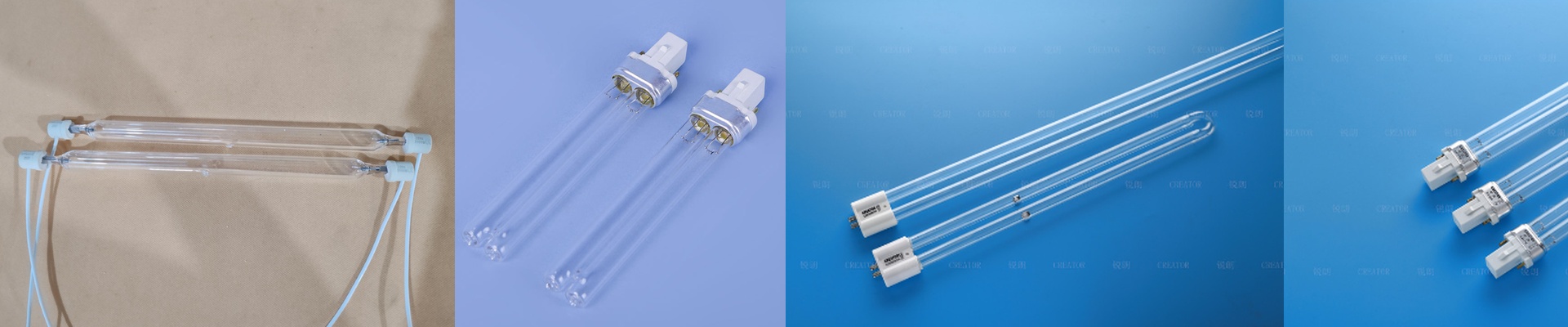
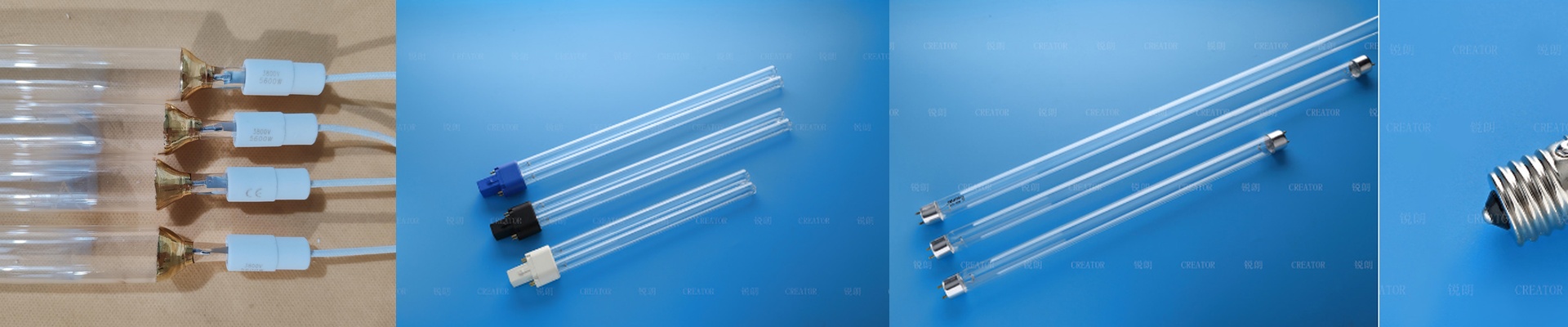
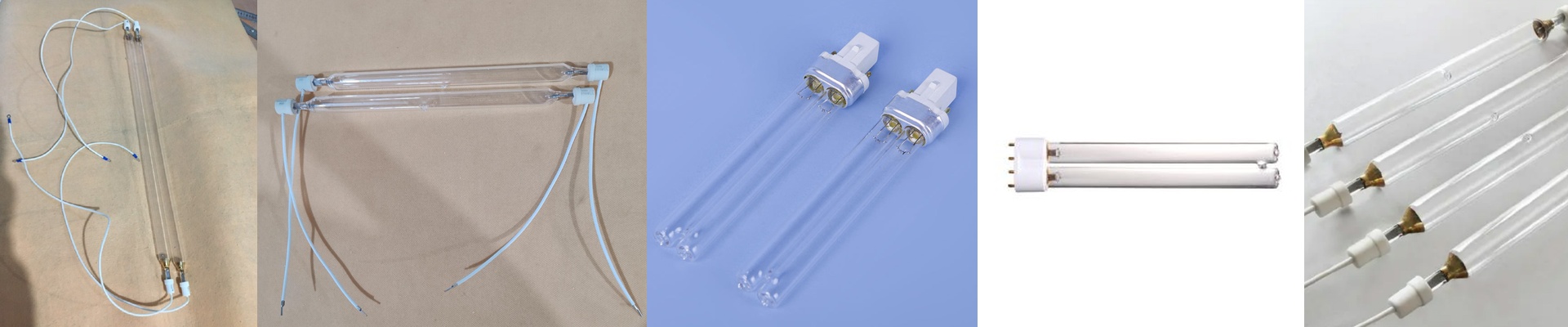
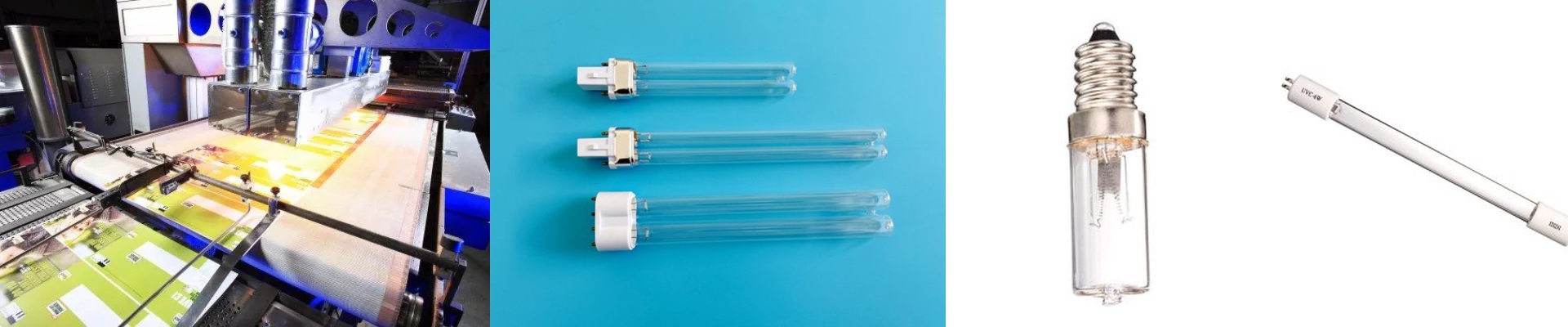
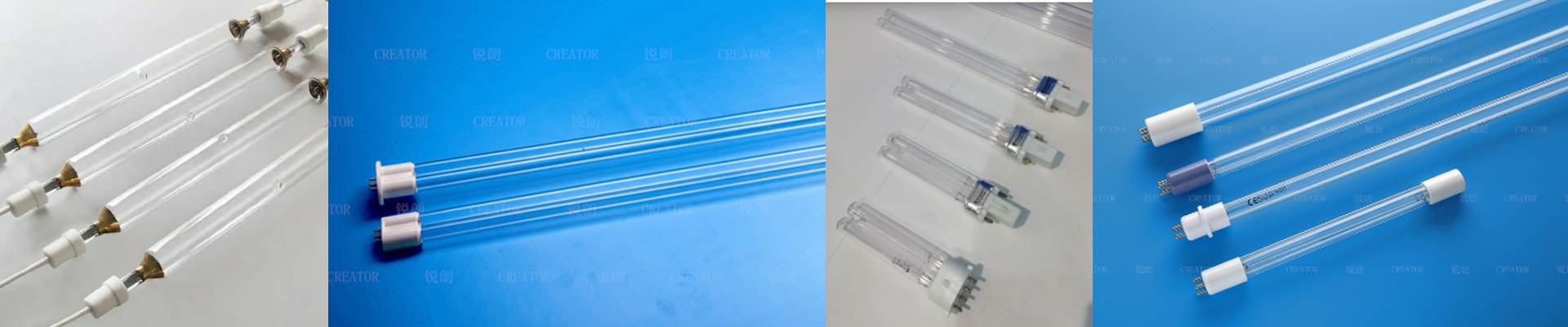
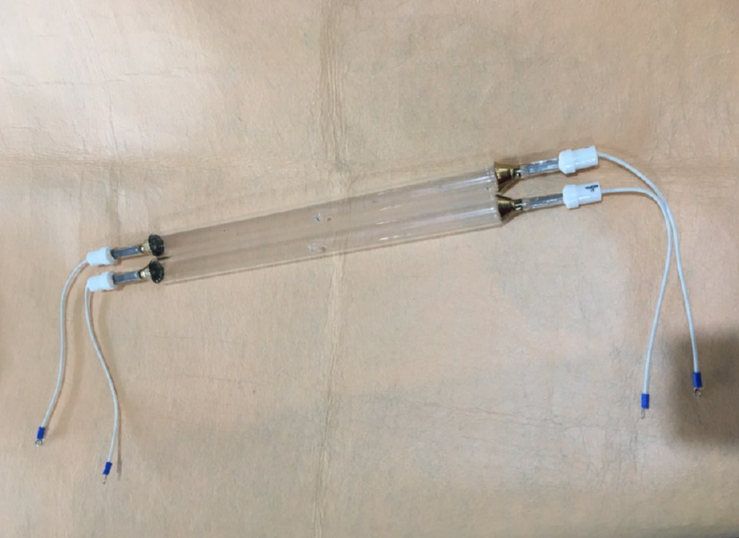
Let’s be real: UV germicidal lamps are powerful. Like, “permanent eye damage and skin burns in a few seconds” powerful. When you’re plugging these into a modern automated line, you can’t just rely on a simple on/off switch and hope for the best. You need a system that actually protects people. The scary part of UVC Short-wave UVC (the 253.7 nm stuff) doesn’t play around. It literally rips apart DNA molecular bonds. To keep your operators safe, you need a physical wall between them and the light. We use high-grade quartz glass for the lamps so the light actually gets out, but the housing has to be totally opaque. If you’re running open-frame conveyors, grab some UV-blocking polycarbonate shields. Don’t skip this. Why manual switches fail People make mistakes. Someone forgets to flip a switch, or they assume the power is off when it isn’t. That’s why we use hard-wired safety interlocks. Here’s how it works: if a tech opens a maintenance hatch, the power to the ballast cuts instantly. No delay. We also use redundant fail-safe relays. That way, if one relay sticks, the second one still kills the arc. It’s a simple backup that saves lives. The ozone problem A lot of these high-output lamps create ozone as a byproduct. It’s great for killing germs, but it’s toxic to breathe. You’ve got to look at your HVAC capacity before you pick your lamps. If you go with the ozone-generating kind, your exhaust system needs to pull enough air to keep the shop floor below 0.1 ppm. Otherwise, your team is breathing poison. The “invisible” burnout This is the part that trips people up. UV lamps don’t just “pop” like a household bulb. A lamp can look bright blue and seem perfectly fine, but its actual germicidal power could have dropped to 60%. You can’t see it, but the germs are surviving. Stop relying on visual checks. We use PLC timers to track every hour the lamp is on. Once it hits its rated lifespan, the system flags it for a swap. Trust the meter, not your eyes.