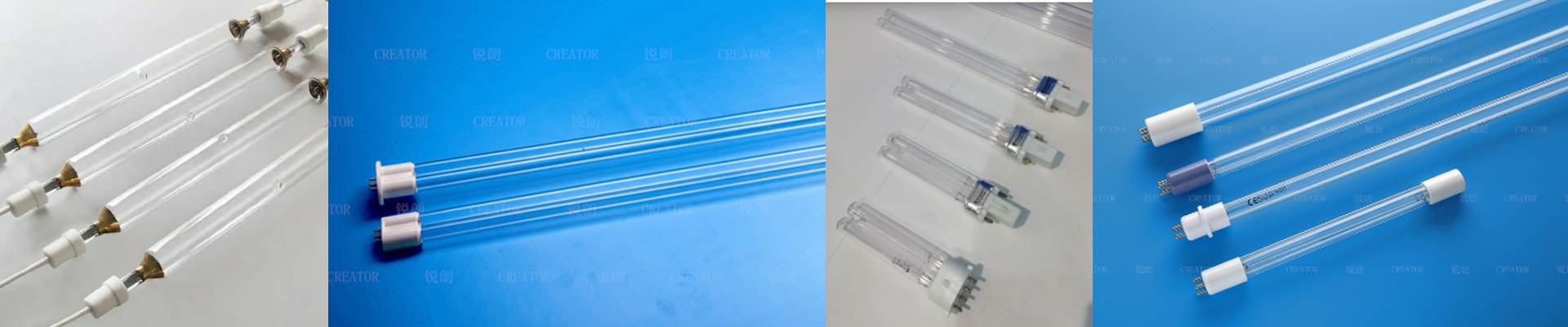
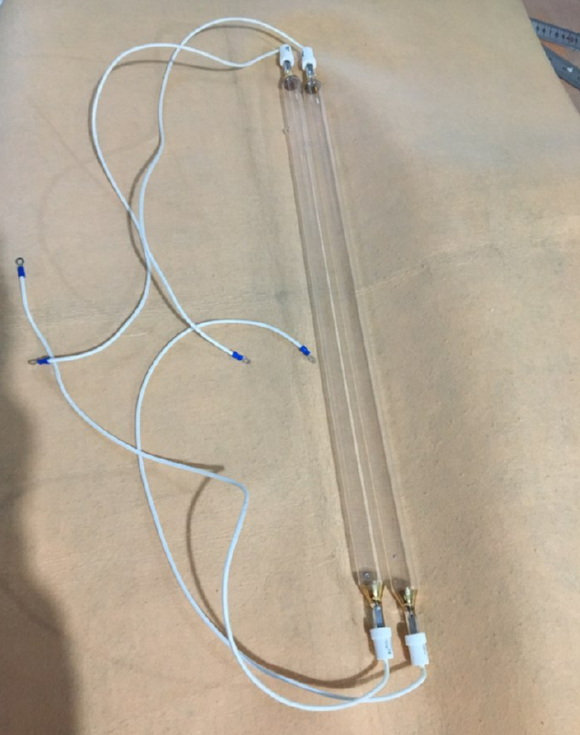
Let’s Talk About UV Curing in the Modern Factory
For a long time, UV curing was pretty basic. You turned a lamp on, it dried your ink or glue, and you called it a day. But things are changing. We’re moving away from those simple “on/off” switches toward systems that actually talk to the rest of your factory. Think of your UV setup less like a lightbulb and more like a smart tool that knows exactly what’s happening on your line.
Smarter Power, Less Waste
Old-school lamps just blast away at a fixed power level, regardless of what’s happening. We’ve found a better way. Now, we can tweak the wattage and intensity on the fly based on how fast your conveyor is moving. If the line slows down, the system dials back. Simple. This means you aren’t scorching your materials or over-curing your parts. You get the same perfect finish on every single piece, even if your throughput is all over the place.
No Need to Tear Down the Shop
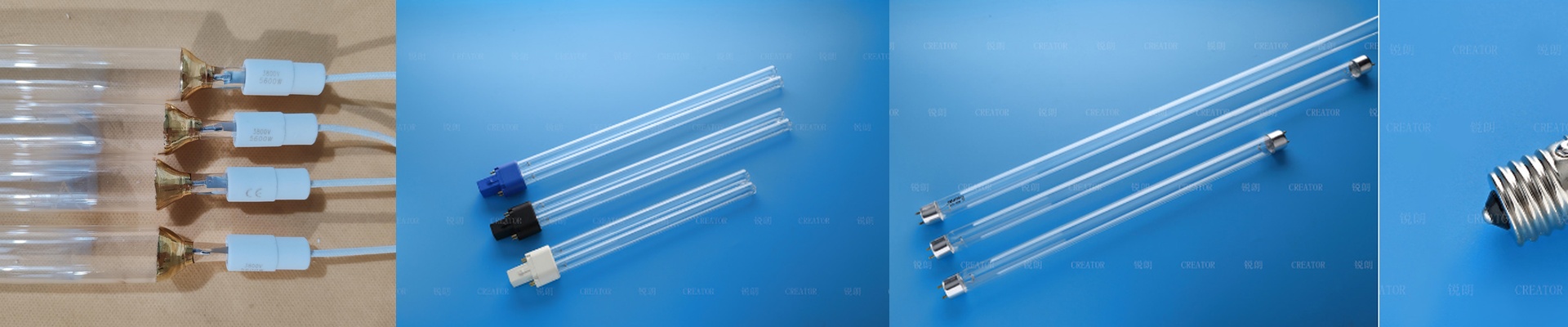
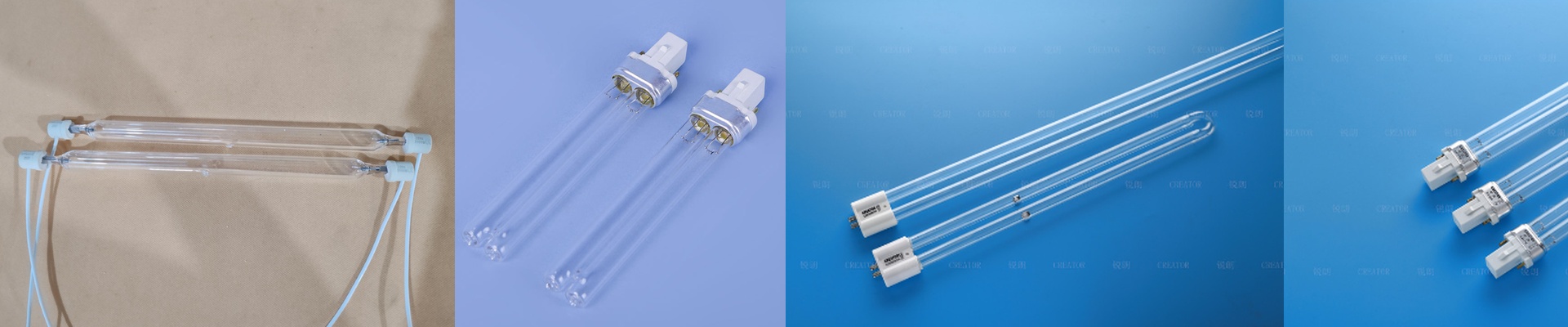
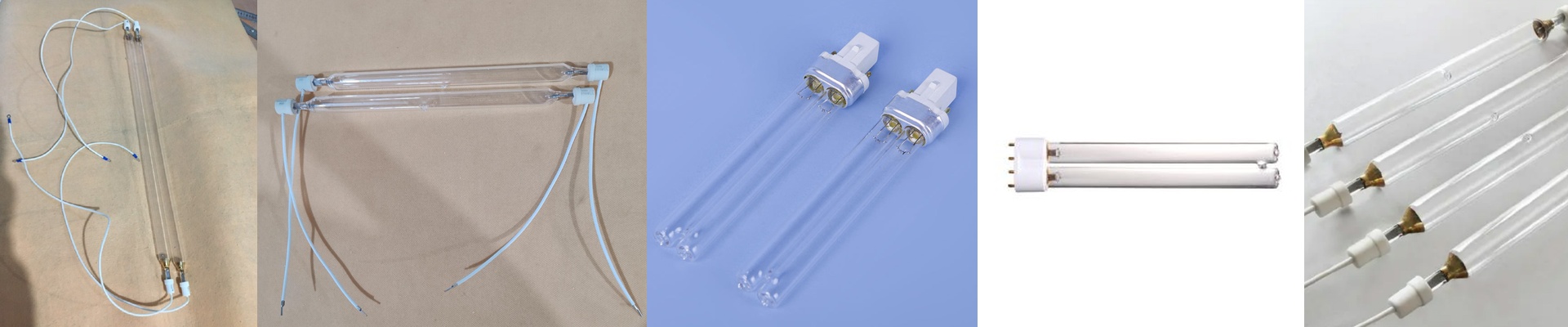
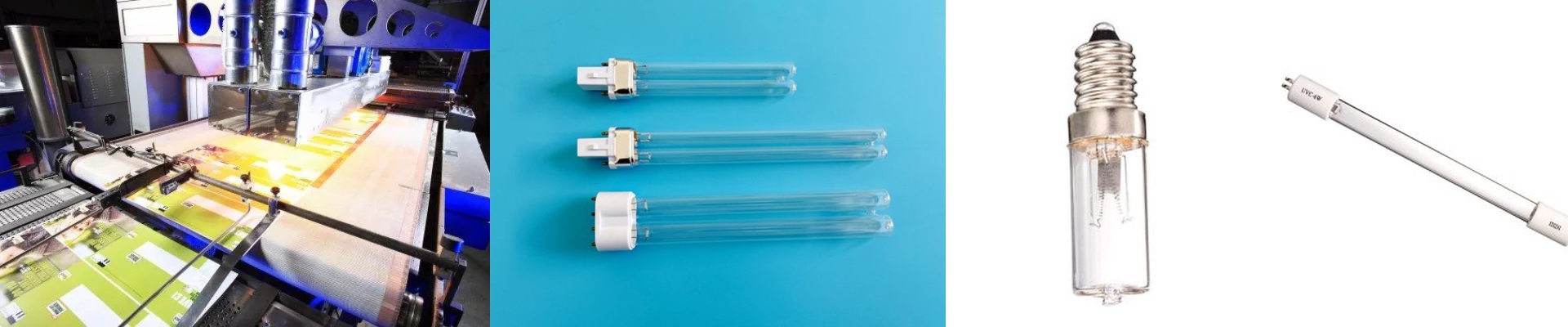
Nobody wants to spend a weekend rewiring an entire rack just to get an upgrade. That’s why we make these drop-in solutions. They fit right into your current housing and match your electrical specs. You get a sharper spectral peak thanks to a better internal gas mix, but the installation feels like swapping a battery. One heads-up, though: heat. When you crank up the intensity to speed up your cure times, you’re going to generate a lot of infrared radiation. You’ve got to make sure your fans and heat sinks can handle the load. If you don’t, you’re just asking for a burnt-out ballast.
Stop Guessing Your Maintenance
Here’s the best part: no more guessing when to swap a lamp. Most people just replace bulbs on a schedule—usually too early or way too late. We use hour-meters and intensity sensors instead. You only swap the lamp when the output actually dips below what you need for a proper cure. It stops the waste. It kills the unnecessary downtime. Suddenly, a consumable part isn’t a headache anymore—it’s just another predictable number in your logbook.