The Real Deal on UV Curing: How We Build Our Lamps
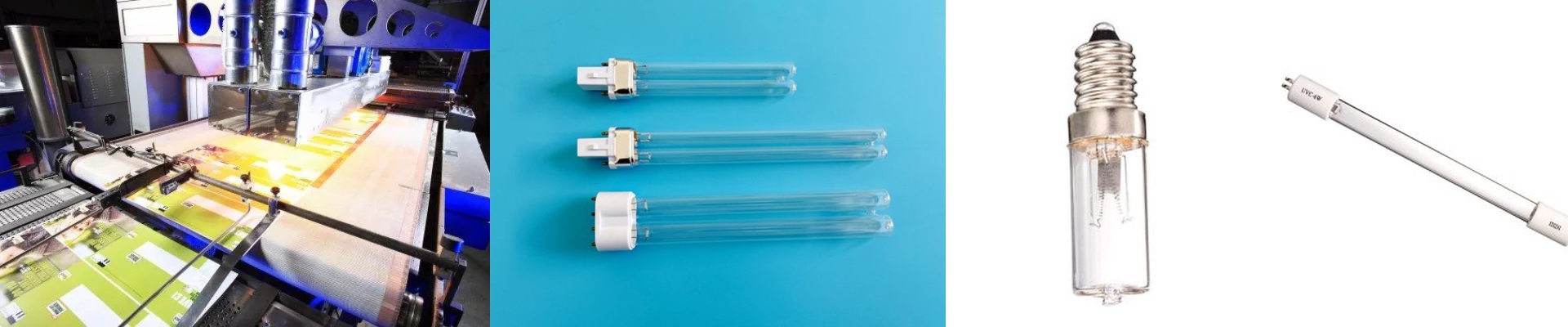
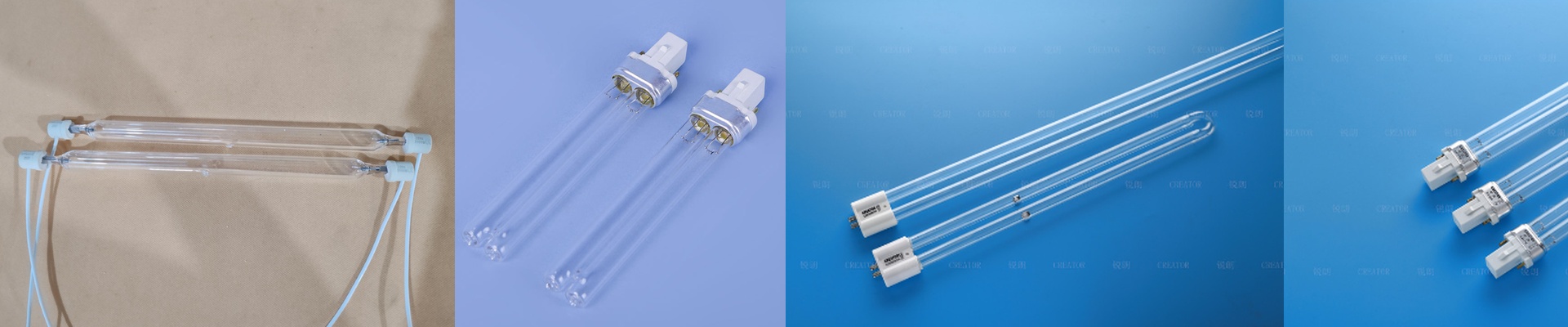
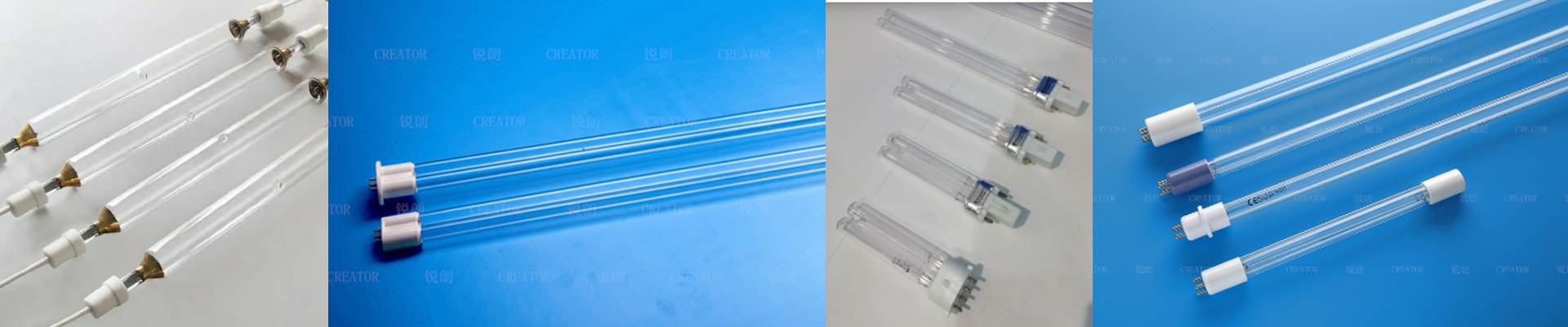
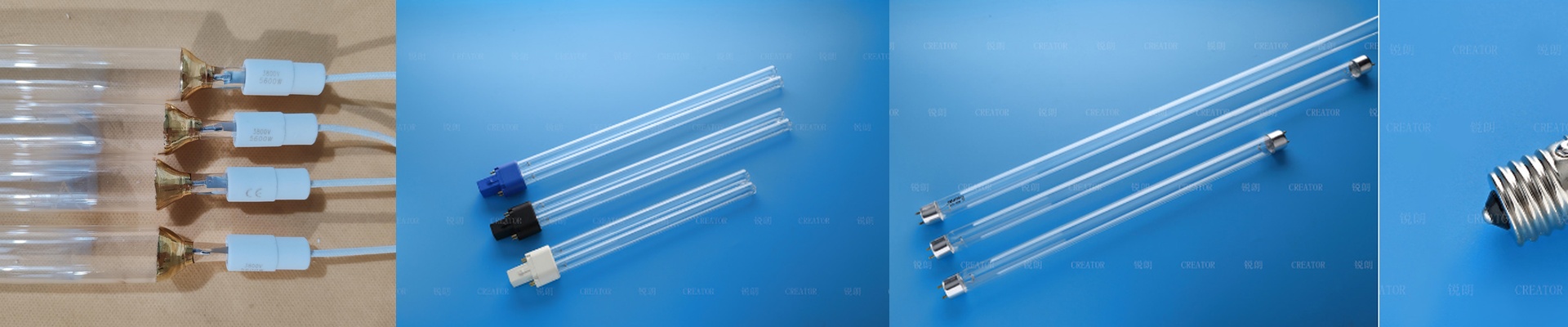
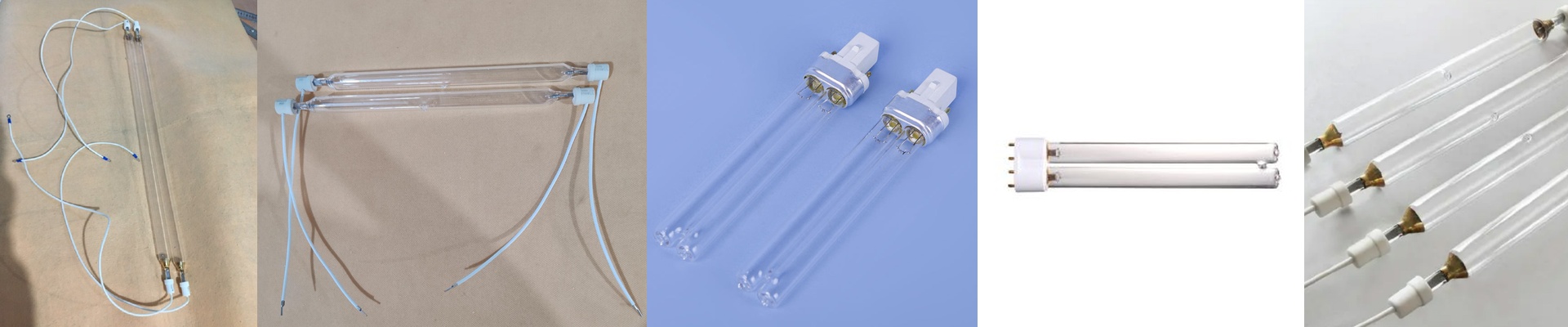
In industrial printing, it all comes down to one thing: getting that ink to dry now. We’re talking about a chemical reaction that has to happen in a split second. If you’re running a high-speed line, you can’t have “tacky” prints or slow cure times slowing you down. That’s where our lamps come in. The balancing act of power and heat Here’s the thing about UV systems—it’s a constant tug-of-war between wattage and wavelength. We tune our lamps to hit the exact sweet spot your ink needs to harden. Sure, cranking up the wattage makes things cure faster. But there’s a catch. More power means more heat. If your cooling system can’t keep up, you’re looking at warped materials or burnt ink. It’s a delicate balance, and we make sure you get the speed without ruining your product. Why the build quality actually matters We don’t cut corners on the materials. We use high-purity fused quartz for the envelopes because it lets the UV light fly right through. Cheap glass? Forget it. It blocks the rays and usually shatters the moment things get hot. We also obsess over the electrode chemistry. Why? Because nobody wants a flickering lamp. A steady arc means every single inch of your print gets the same amount of energy. No blind spots. No mistakes. Built for the chaos of a factory floor Let’s be honest: factories are brutal. You’ve got dust, constant vibration, and wild temperature swings. You need gear that can take a beating. That’s why we design our lamps to be simple drop-in replacements. You can swap out a spent bulb without having to spend an hour messing with the reflector array or realigning everything. The goal is simple. You pop it in, it works consistently until the end of its life, and you don’t have to stop your line for constant tweaks. You just keep printing.