Getting Your Textile Printing Right with Gallium Iodide UV Lamps
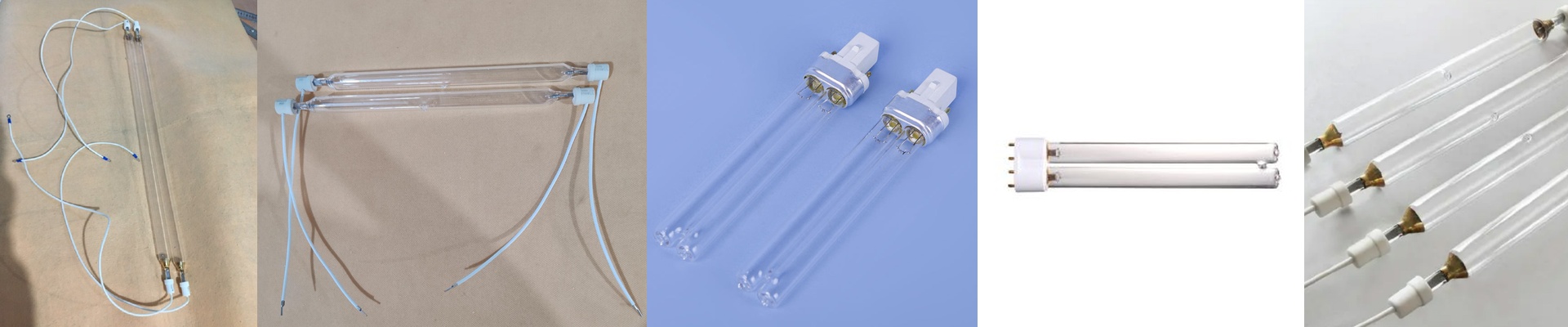
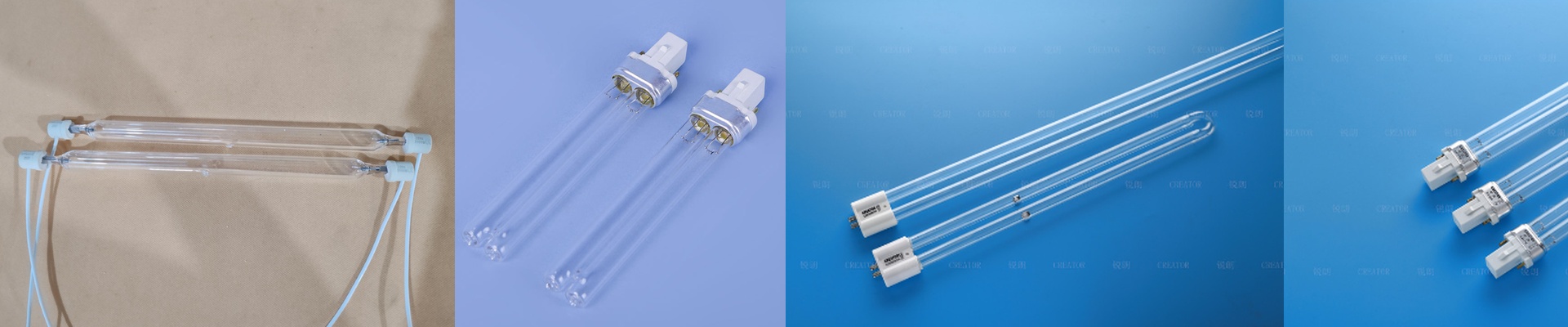
If you’re running high-speed textile lines, you’ve probably run into the “skinning” problem. You know the one—the top of the ink looks cured, but underneath? It’s still wet. That’s where our custom gallium iodide (GaI) lamps come in. Most people stick with standard mercury lamps, but those don’t always cut it for thick inks or fabrics that soak up liquid like a sponge. GaI lamps push the light toward the longer UV-A and UV-B wavelengths. In plain English: the light actually gets into the fabric. Why does that matter? It’s all about how deep the light reaches. If the wavelength is too short, the surface hardens instantly while the bottom stays gooey. That’s how you get those annoying wrinkles. By using GaI, we make sure the ink bonds deeply with the fibers. No wrinkles. No peeling. Just a solid cure. A word of caution on the heat Here is the thing: these tubes run hot. Really hot. When we’re figuring out the wattage and length for your setup, we spend a lot of time talking about heat load. These lamps throw off a ton of infrared radiation. If your conveyor cooling isn’t up to the task, you’re going to see bubbles in your ink or, worse, scorched fabric. To keep things from exploding or cracking under the pressure, we use high-purity quartz glass. It lets the UV light through while handling the thermal stress of being turned on and off. Fitting them into your shop We don’t want you to have to rebuild your entire line. We design these as drop-in replacements. Whether you have a weird end-cap or a non-standard length, we build them to fit your specific machine. Now, full disclosure: these won’t last as long as those low-pressure lamps. But the speed you get in exchange is massive. It changes the whole pace of your production. One pro tip to keep them alive longer:keep them clean. Dust on the quartz sleeves creates hot spots. Those hot spots kill the tube. Set a strict cleaning schedule, keep the glass sparkling, and your lamps will treat you a lot better.