Getting Your UV Curing Right: The Truth About Mercury Lamps
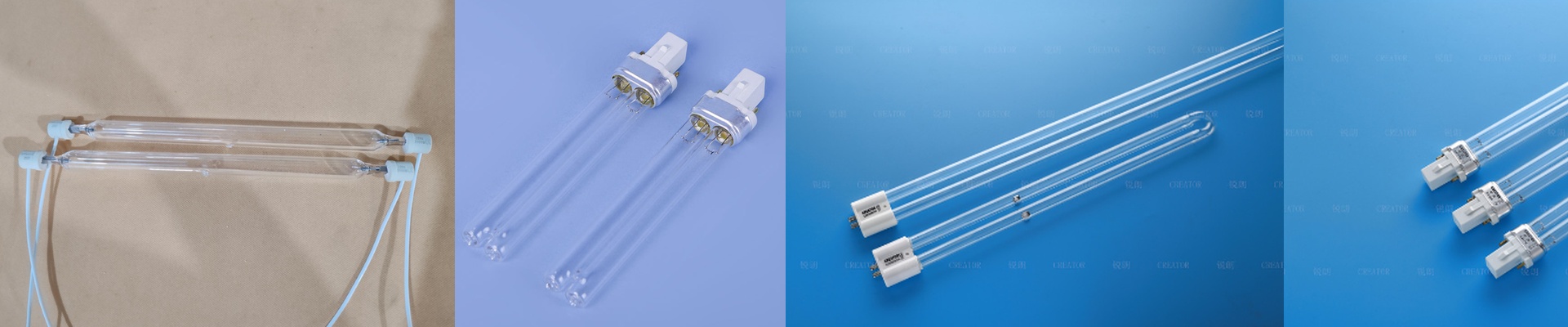
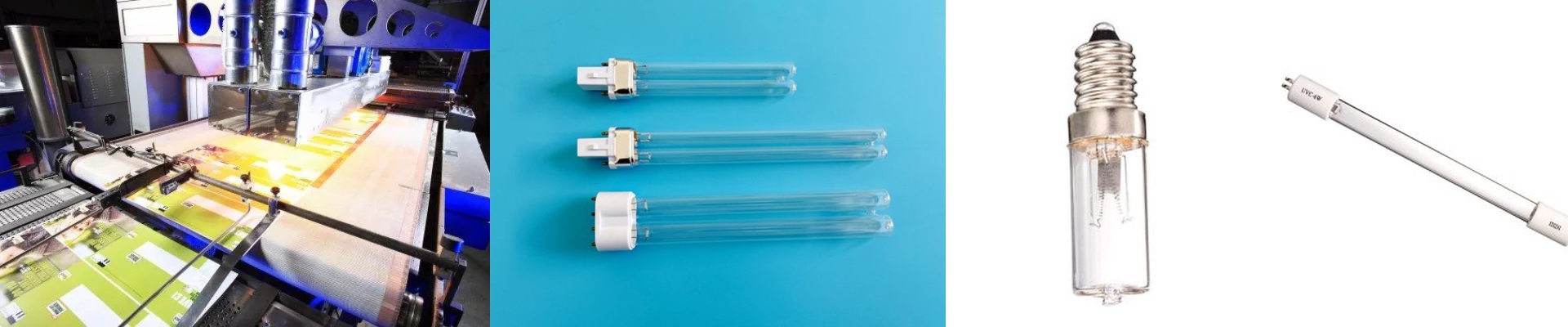
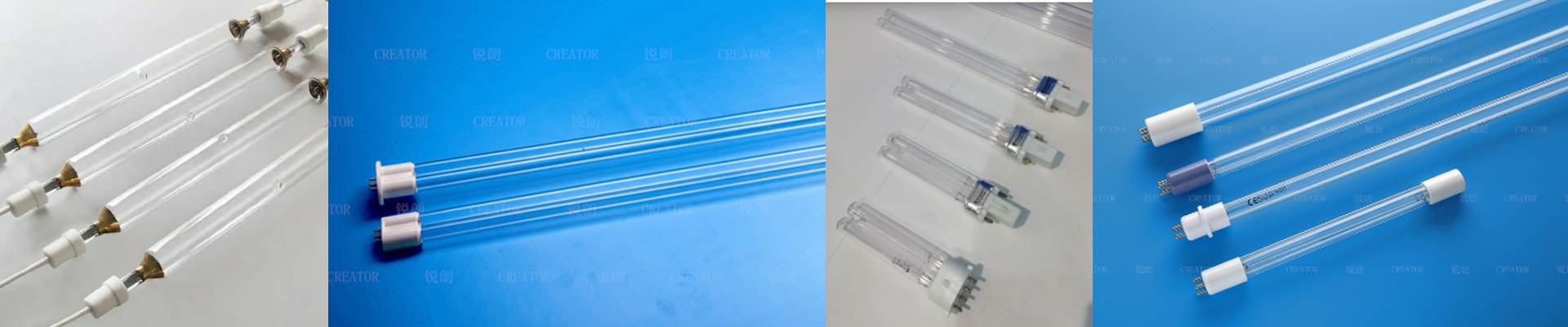
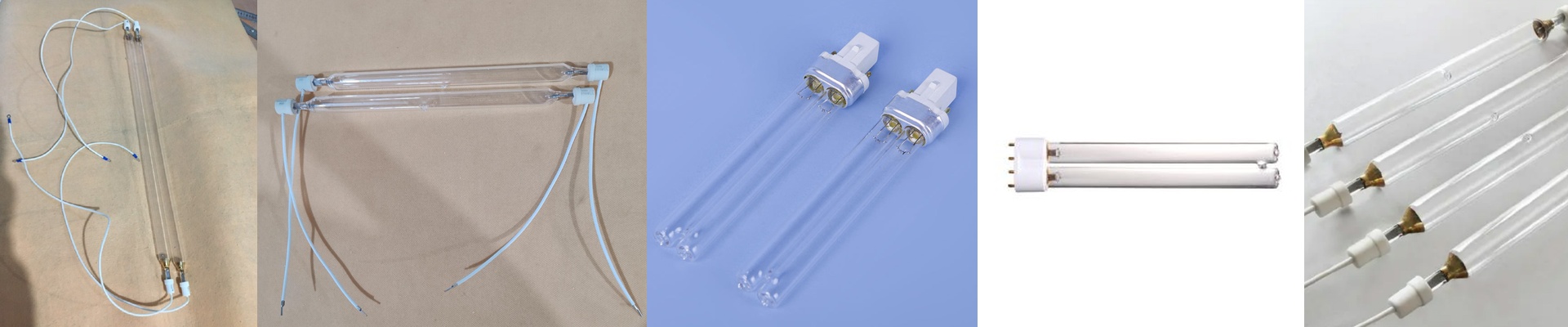
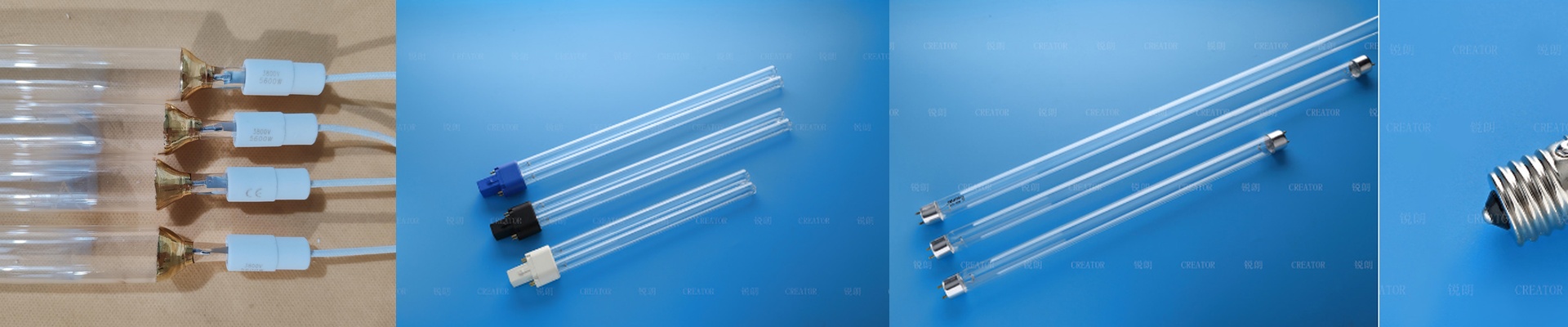
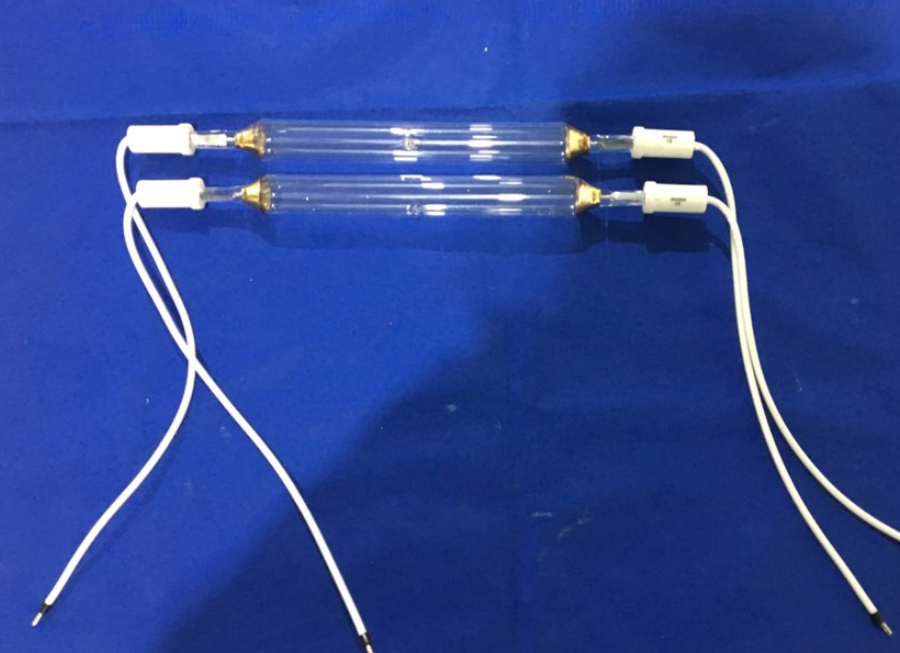
If you’re in industrial printing, you know the drill. You need that ink or coating to harden now. Not in five minutes. Not “eventually.” Now. That’s where our mercury vapor lamps come in. We build them to hit that sweet spot of spectral energy that triggers an instant chemical reaction. Basically, they blast the surface with short-wave radiation, breaking molecular bonds and locking everything in place the second it passes under the light. Let’s talk about the physics (without the textbook boredom). Inside each quartz tube, we’re creating a plasma discharge. It sounds fancy, but what it actually means for you is a stable arc. You don’t want your lights flickering or dipping in power halfway through a massive production run. And here is the thing about speed: it’s all a balancing act. If you crank up your conveyor belt to move faster, you’re spending less time under the light. To keep the same cure quality, you’ll need a higher wattage lamp. Simple as that. The heat problem. We use high-purity fused quartz because it doesn’t soak up the UV rays—it lets that 253.7nm line pass right through to your product. But there’s a catch. High-wattage lamps gethot. Like, really hot. If your cooling fans are old or your water-jackets aren’t up to the task, that quartz is going to stress. And when quartz stresses, it cracks. We’ve seen it happen way too often because someone forgot how much the temperature climbs inside a tight curing tunnel. Don’t let that be you. Setting them up and keeping them running. The good news? These are drop-in replacements. They fit right into your existing industrial systems without a headache. We put a lot of work into the electrodes so the lamps don’t burn out prematurely. But you have to do your part on the wiring. Make sure your ballasts match the lamp’s voltage exactly. If they don’t, the lamp might not even ignite. Or, even worse, it’ll struggle along and die way sooner than it should because the electrodes are being overworked. We also keep a close eye on how the mercury vapor decays over time. That way, you can predict exactly when to swap the tubes before you start noticing your cure rate dropping and your quality slipping.