Growing Your UV Brand Without the Manufacturing Headache
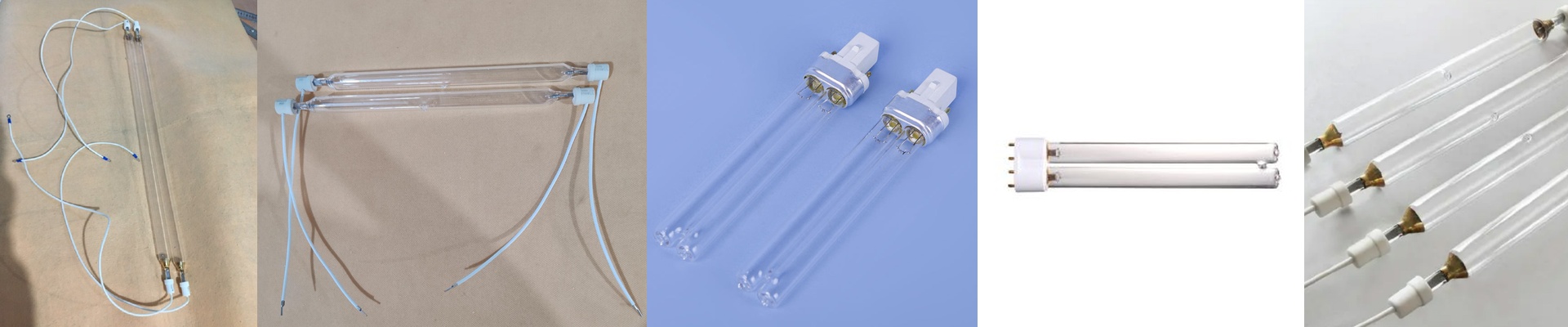
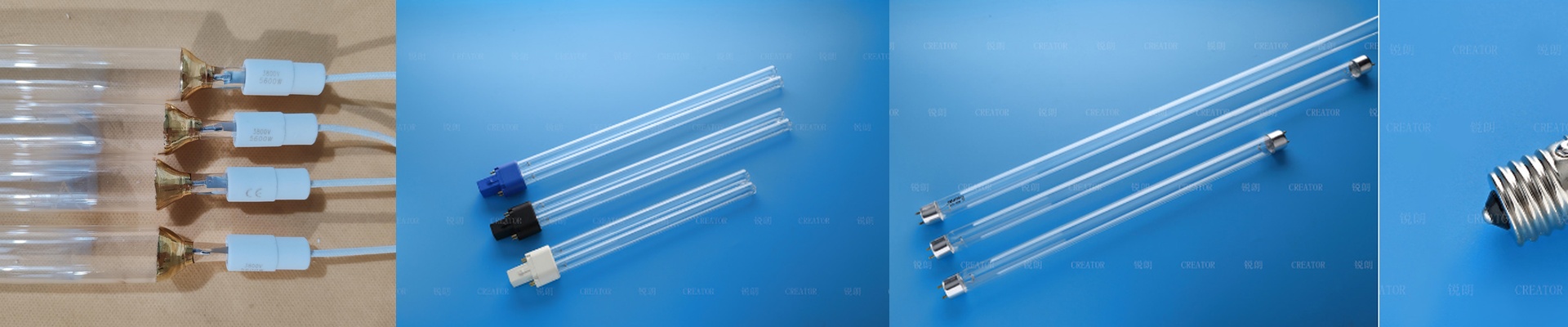
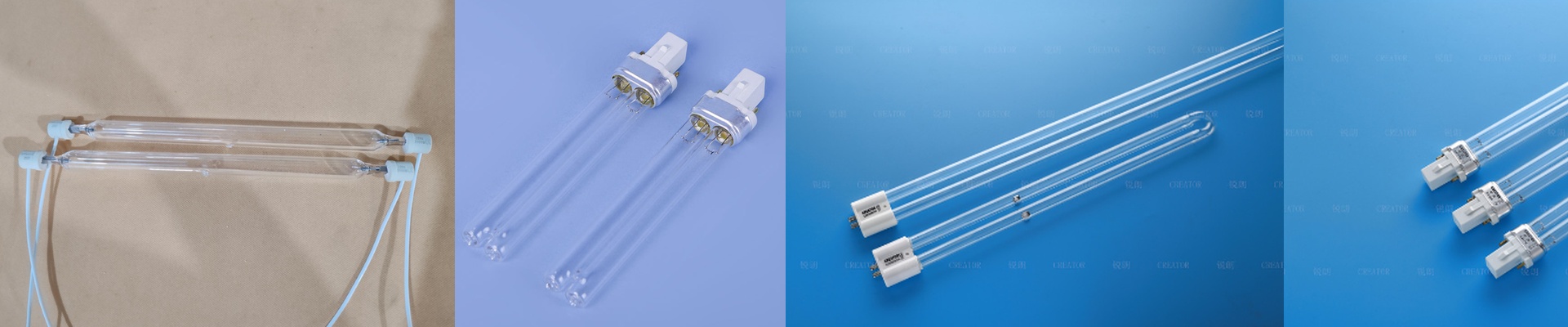
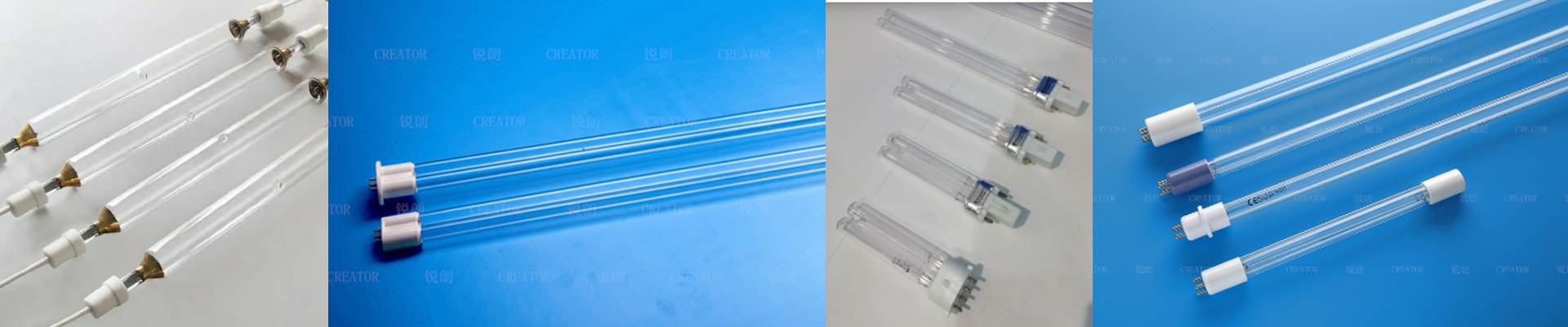
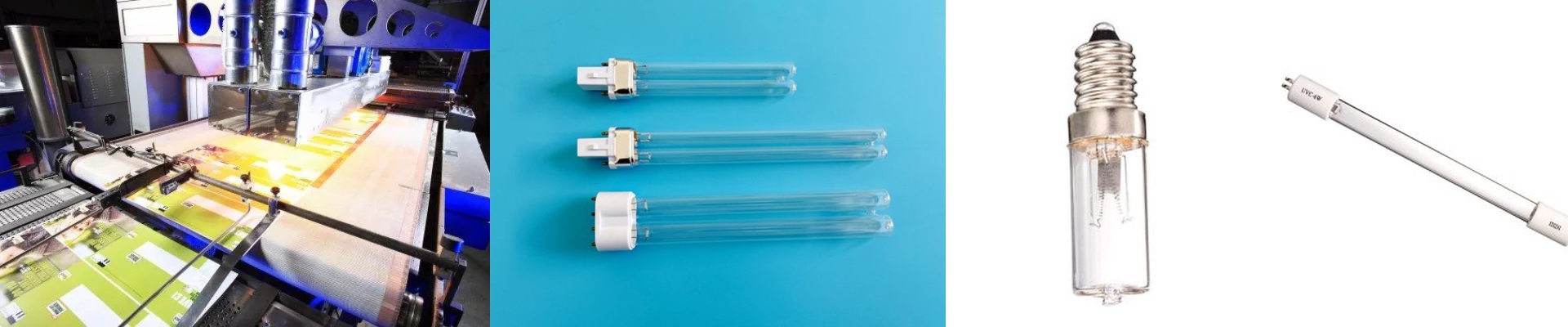
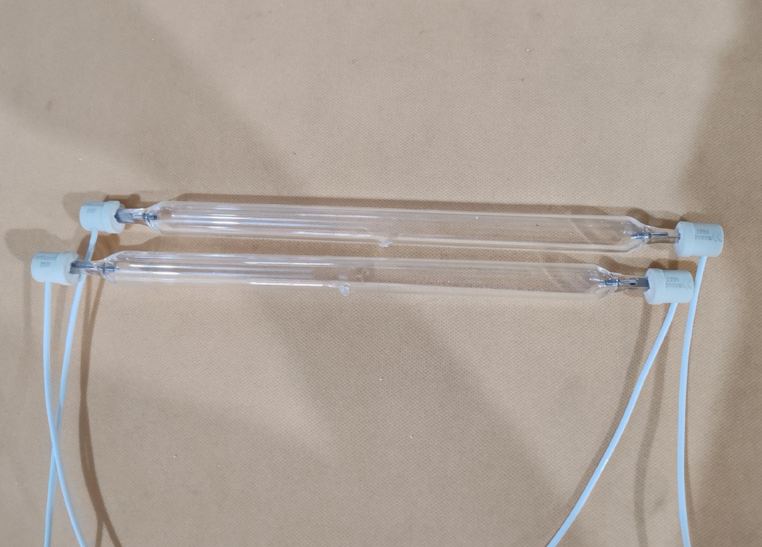
Let’s be honest: you aren’t just shopping for a light bulb. You’re picking the engine that drives a chemical or biological reaction. When you start OEM branding for industrial mercury UV lamps, the tiny technical details are what decide if your customer’s machine actually does its job or becomes a very expensive paperweight. The nitty-gritty of UV specs Here is the thing about mercury vapor lamps. They rely on a specific discharge arc to get that UVC or UVB radiation just right. We build these to your exact wattage and voltage because if the power density is off, the wavelength shifts. A tiny slip in voltage? Your lamp might burn out way too soon or just fail to hit that peak microwatt mark. Then there’s the physical fit. If the length or diameter is off by a hair, it won’t sit right in the reflector housing. And if there’s a gap, you’re losing intensity. It’s that simple. Getting the hardware right Then you’ve got the end-caps and connectors. This is where your customer either loves you or hates you based on how easy the wiring is. Whether you want standard pinch-caps or something more specialized, the seal has to be perfect. One tiny leak in the quartz envelope and the vacuum is gone. The lamp dies instantly. To stop that from happening—and to prevent the glass from clouding over time (what the pros call “solarization”)—we use high-purity quartz. It keeps the light clear and the output strong. The reality of heat But wait, there’s a trade-off. High-output bulbs get hot. Really hot. If you try to cram maximum wattage into a tiny space, your customers need to be on top of their cooling fans or water jackets. If the heat doesn’t have a way out, the electrodes degrade. The lamp life plummets. It’s a physics problem that you have to solve upfront. We take care of the heavy lifting—the manufacturing and the branding. You give us the electrical specs and your logo. We’ll make sure the bulbs are consistent enough for everything from medical sterilization to industrial curing lines.