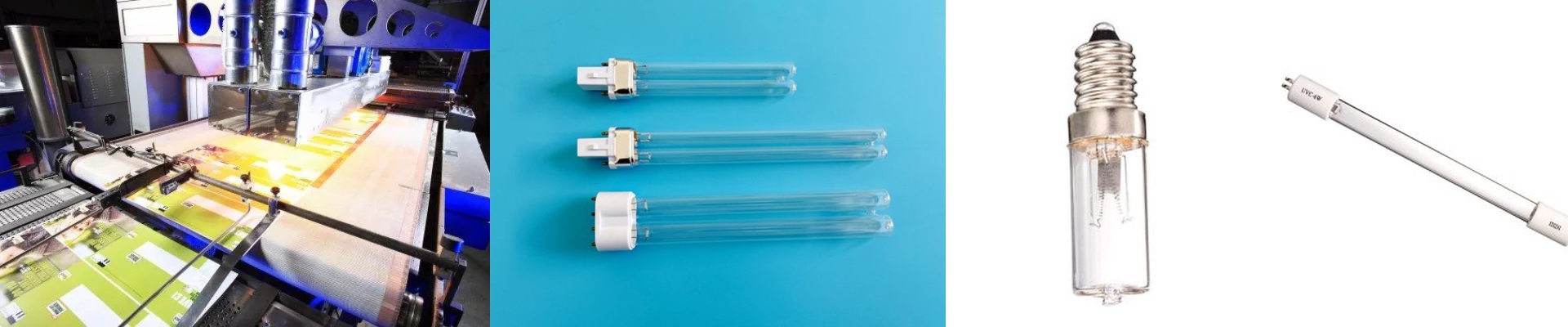
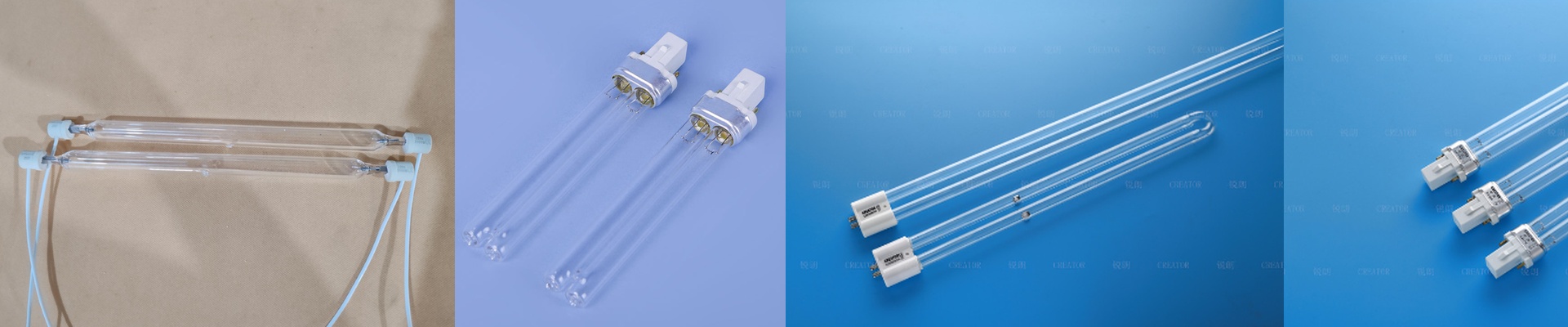
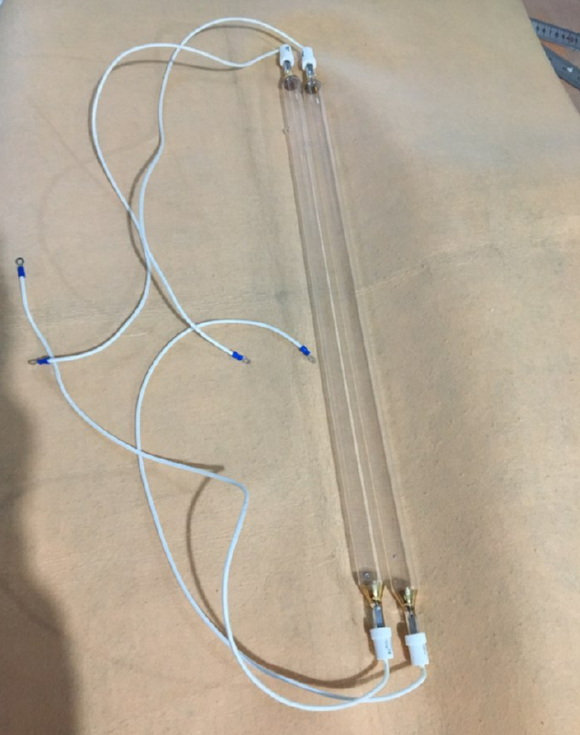
On the press floor, UV curing falls apart when the lamp system can’t deliver steady, high-intensity energy to the substrate. The reflector geometry is what decides how much of the mercury vapor output actually reaches the print. If the reflector is poorly designed, you’re throwing away usable UV, leaving ink under-cured and forcing operators to throttle the line speed back.
What matters under the hood
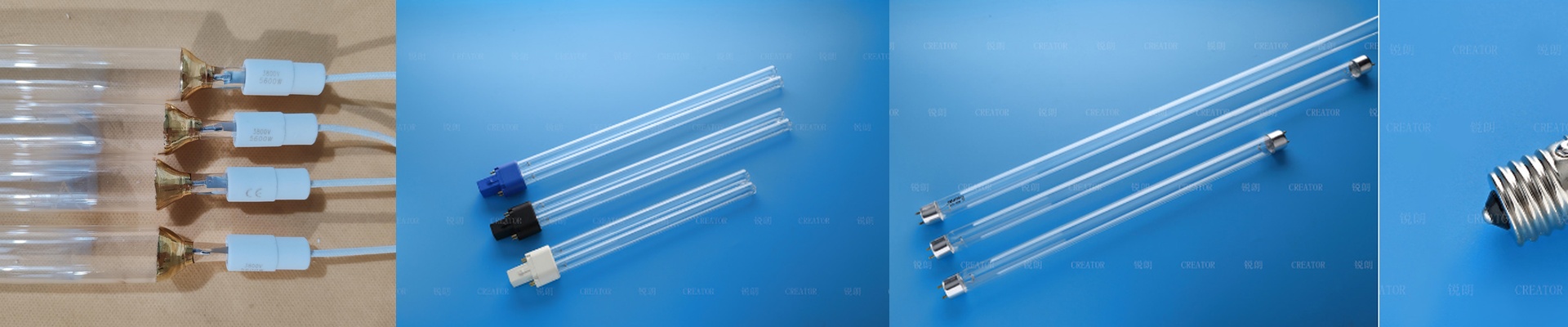
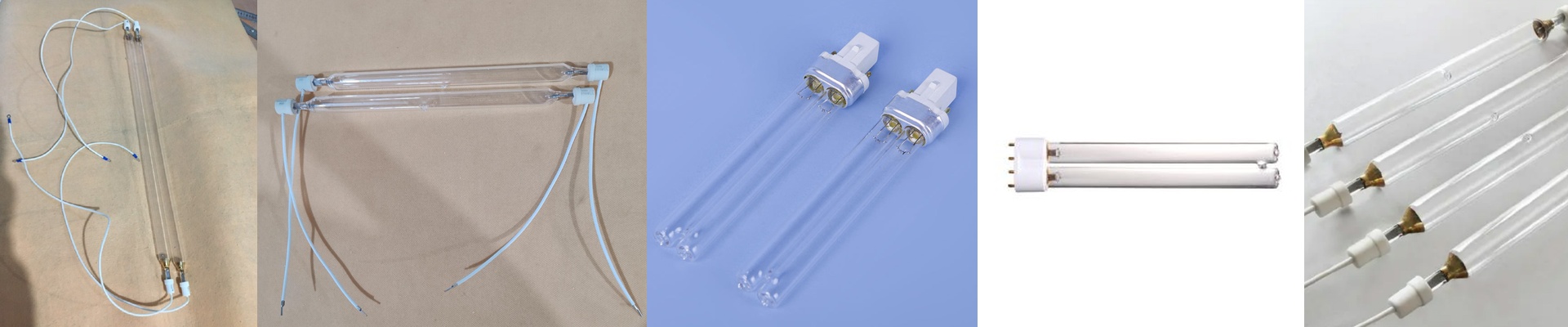
We build high-power mercury UV emitters with a reflector contoured to a specific shape and finished with a dichroic coating to steer the spectral output. The payoff is a focused, high-density spot with peak irradiance exceeding 12 W/cm² right at the substrate plane. The spectrum is centered on the 365 nm and 385 nm bands that drive photoinitiator absorption in most UV inks. And we don’t talk about output stability like it’s a slogan—we measure it. We hold ±3% power over the life of the lamp, and we call out curing energy density in mJ/cm² so you can tie lamp settings directly to cross-linking performance.
Why this plays well in offset, flexo, and screen
The curing demand shifts with ink film thickness and substrate, and each process has its own pressure points. Offset needs high peak irradiance to set thin films quickly. Flexo needs uniform, high-energy density across the repeat. Screen printing demands deep through-cure on thick deposits. Our reflector geometry concentrates usable UV energy where it counts, improving energy utilization so you can run higher line speeds without cranking up total lamp power. The result is faster cycle times, less energy drawn per cured sheet, and fewer rejects from surface tack or adhesion failure.
The shop-floor details you can’t gloss over
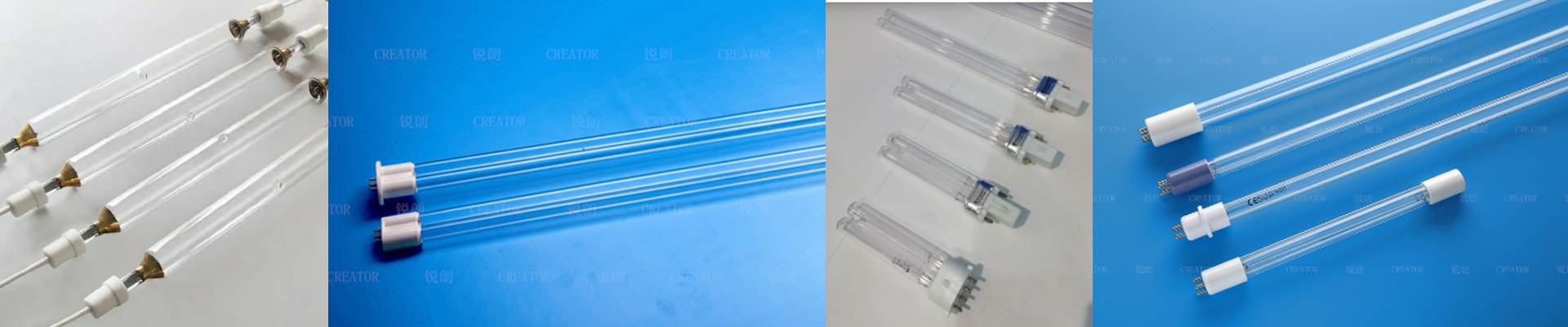
Match the lamp to the press. Spec the emitter length, arc gap, and end-of-life behavior so it lines up with your dryer chamber. Expect real thermal demands—cooling has to be matched to the emitter power density, or you’ll chase temperature swings all shift. Reflector alignment is tight. Tolerances need to be held during installation and every lamp change. If you need ozone-free operation, choose the right quartz envelope and get the venting configured properly from the start.