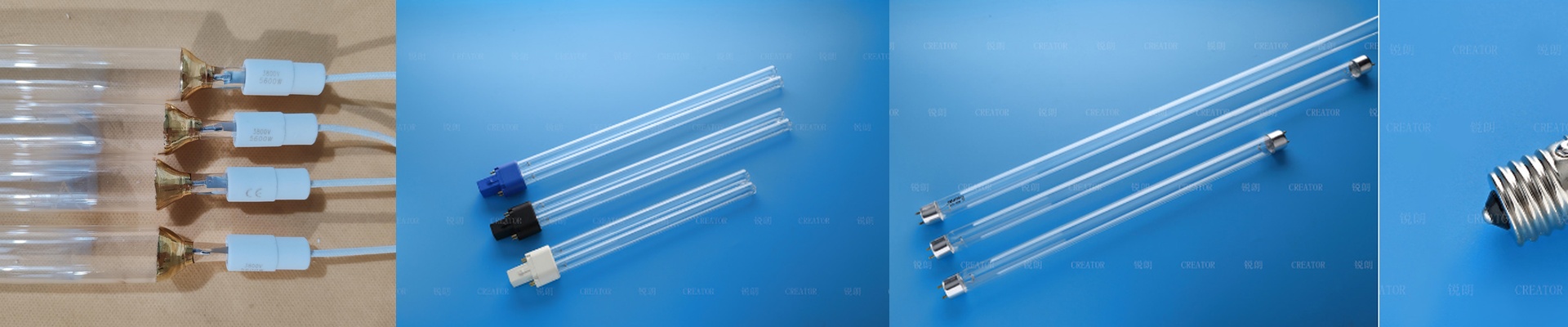
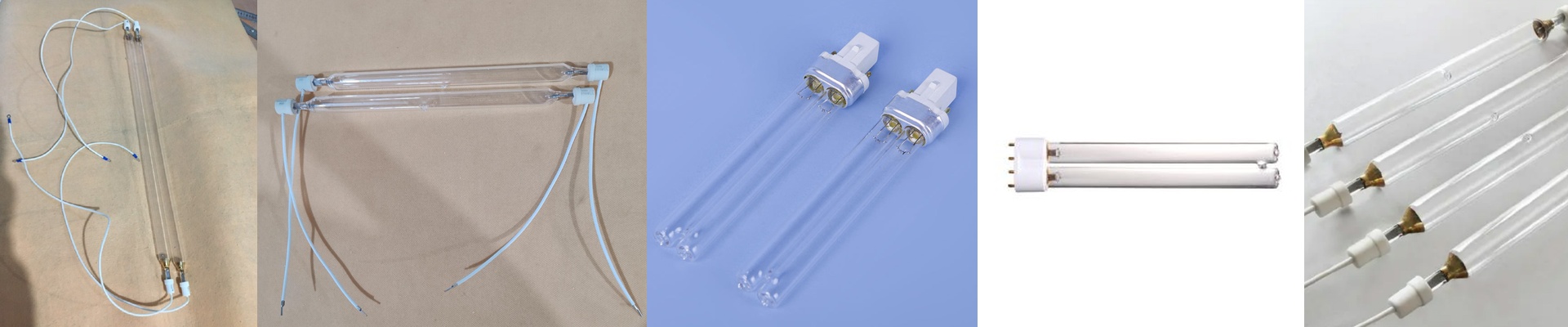
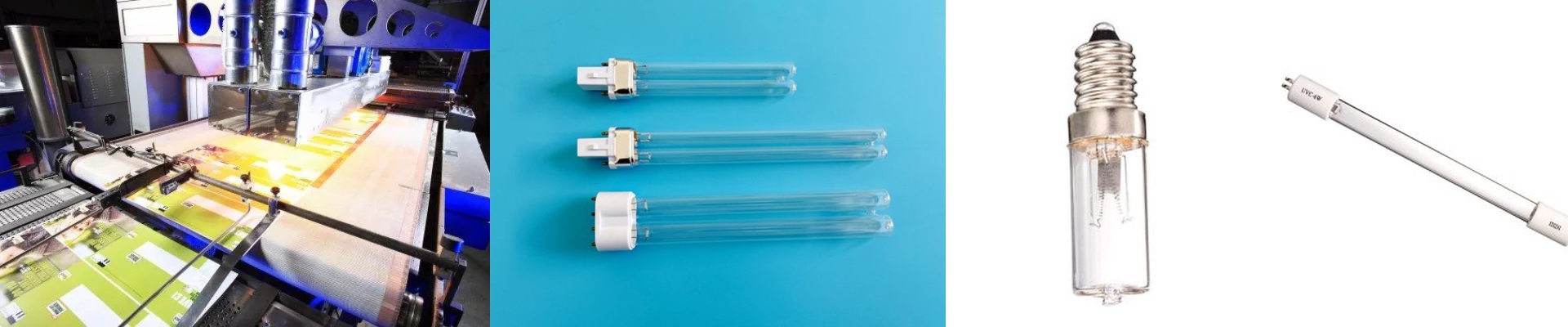
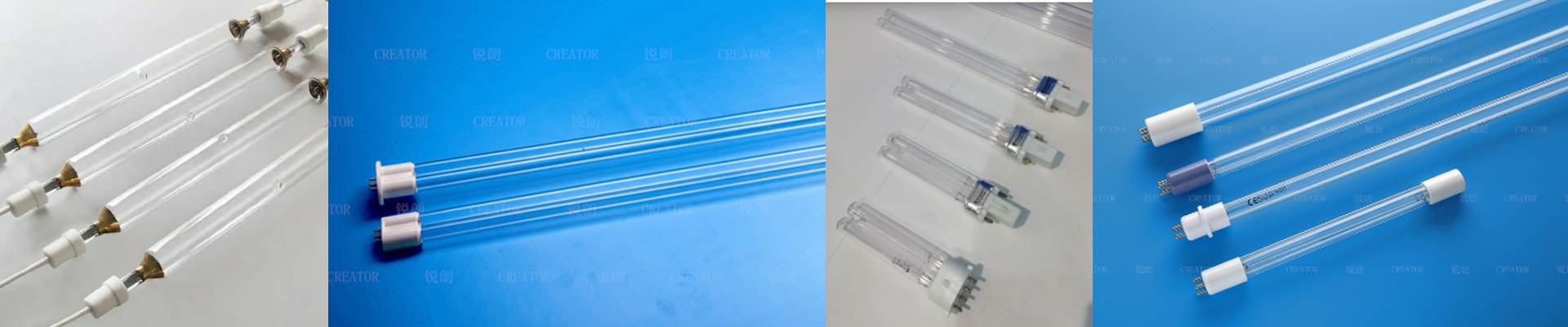
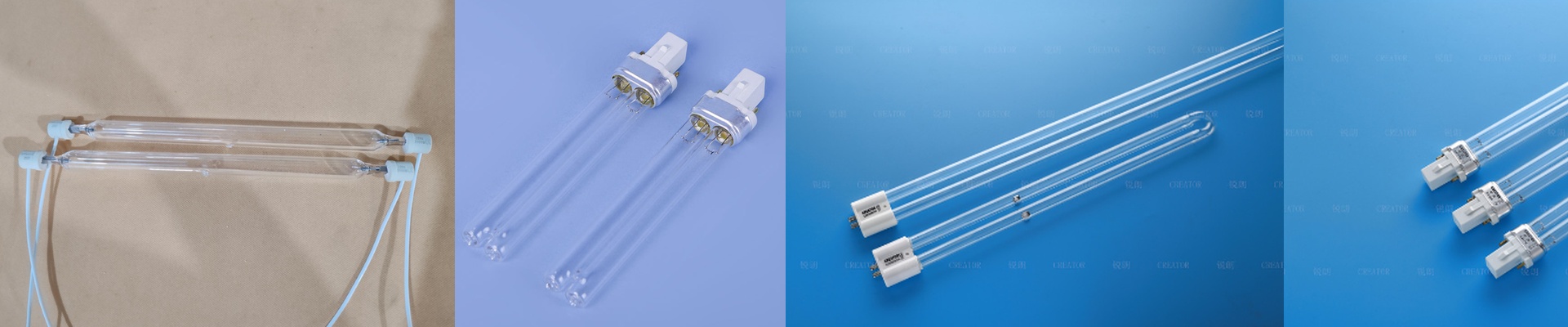
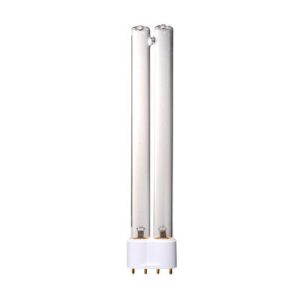
Top press builders keep spec’ing our UV lamps for their OEM machines. Not because of a logo. It comes down to one thing: repeatable, measurable control of spectral output and delivered energy. Out in the plant, a spectrum that’s off or irradiance that drifts isn’t just a slowdown. It creates inconsistent cure, pin-holing, and adhesion failures that come back as reprints and service calls you don’t need. What actually matters under the hood Our high-output amalgam UVC lamps hold stable mercury-vapor emission, tuned to the photoinitiator window. You get strong output at 365 nm, plus controlled broadband energy to drive both surface cure and through-cure. We engineer peak irradiance to exceed 12 W/cm² at the arc-length working plane, and total dose stays repeatable across the web. The amalgam formulation flattens the temperature coefficient, so output stays steady as lamp body temperature shifts during high-speed runs. A dichroic-coated reflector geometry maximizes collection efficiency. The ozone-free design makes integration easier and keeps maintenance down. Expect 8,000+ hours of stable operation with controlled output decay, measured against IEC-compliant radiometry. Why this works on a real press OEM reliability comes down to tolerance stacking that survives the machine you’re building. We match lamp dimensions, arc gap, termination style, and cooling constraints to your press architecture, so it installs without rework and runs within the engineered envelope. The payoff is repeatable cross-linking at full machine speed, less variability in moiré and dot gain, and fewer lamp-related stoppages. Energy draw is tuned to the system, and the stable spectral profile keeps cure quality consistent job after job, even through changeovers. The details that keep it honest Amalgam lamps are sensitive to operating position and cooling airflow. Output and lamp temperature have to stay inside the specified window. Integrators need to match the reflector focal distance and confirm voltage and igniter compatibility before first light. When those parameters are controlled, the lamp performs as designed—consistent, measurable, and ready for production.