Getting Your Textile Curing Right with Mercury UV Lamps
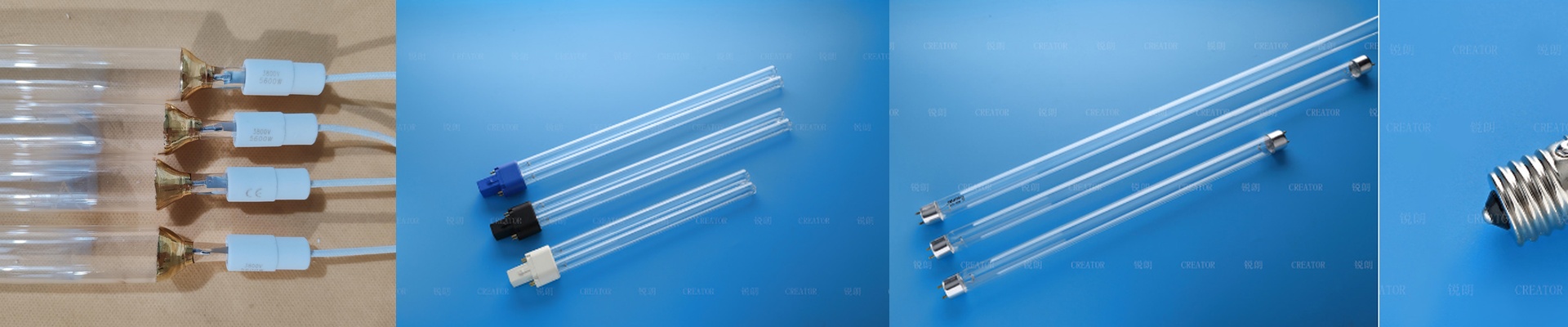
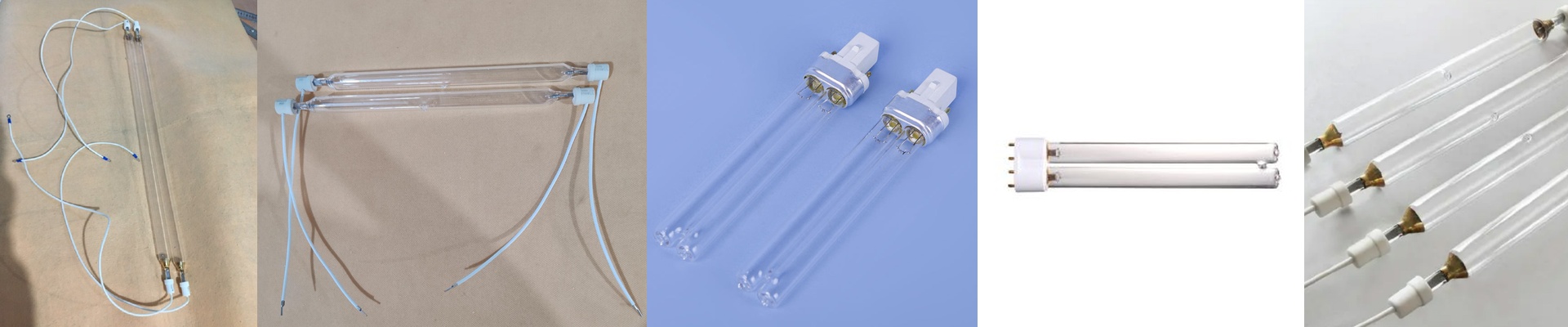
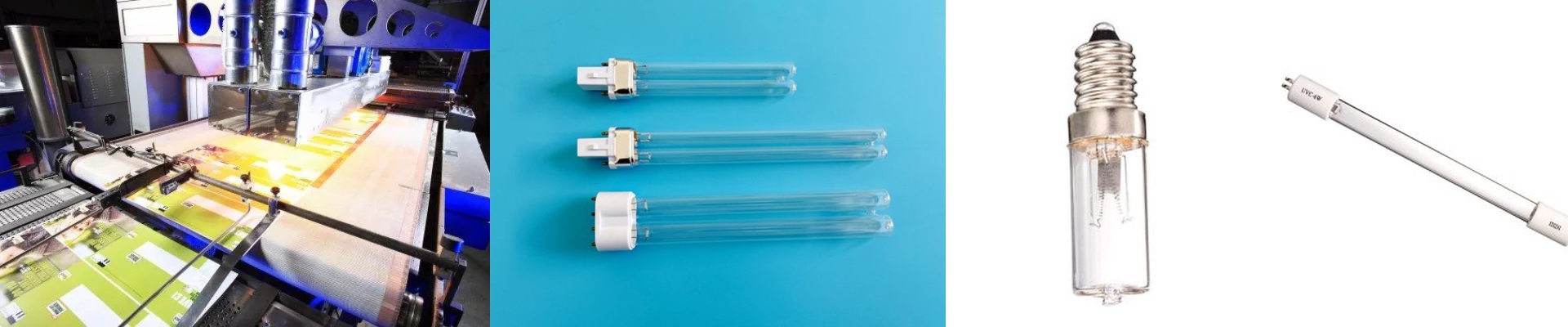
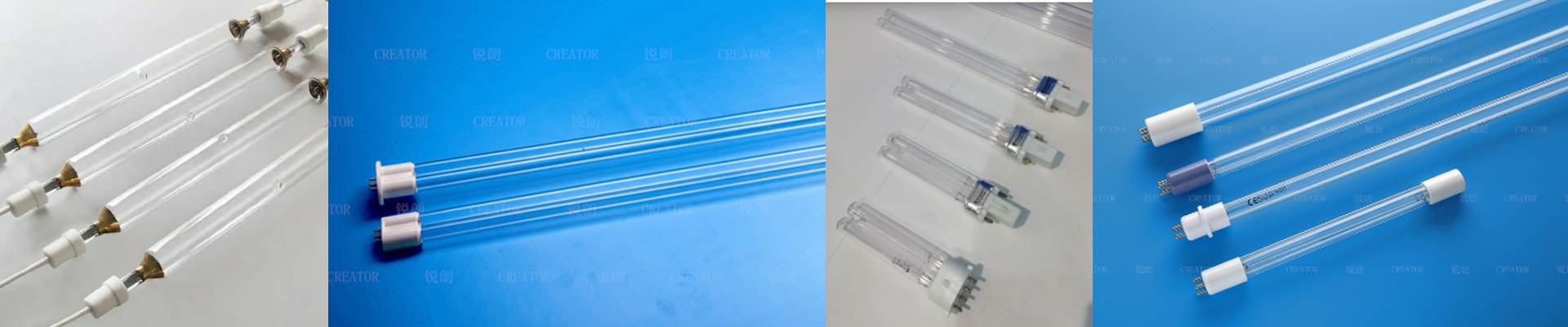
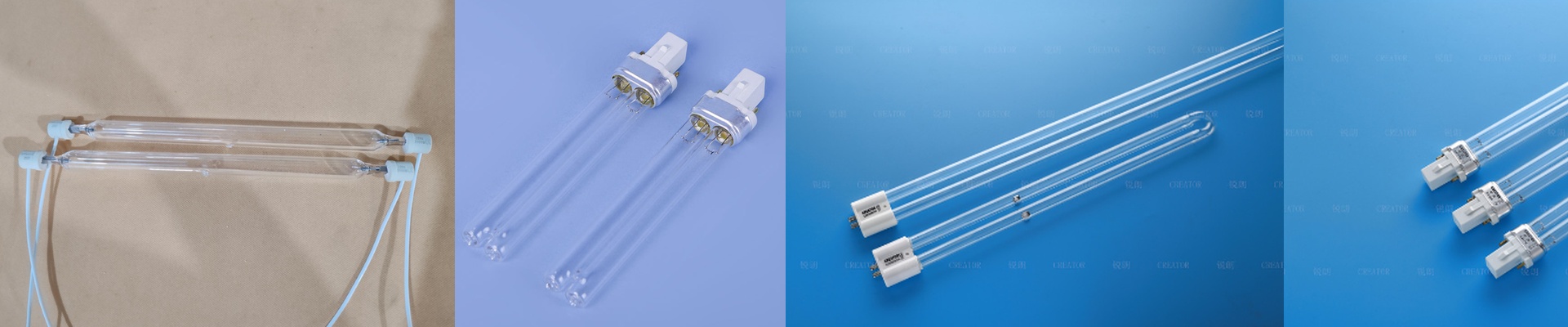
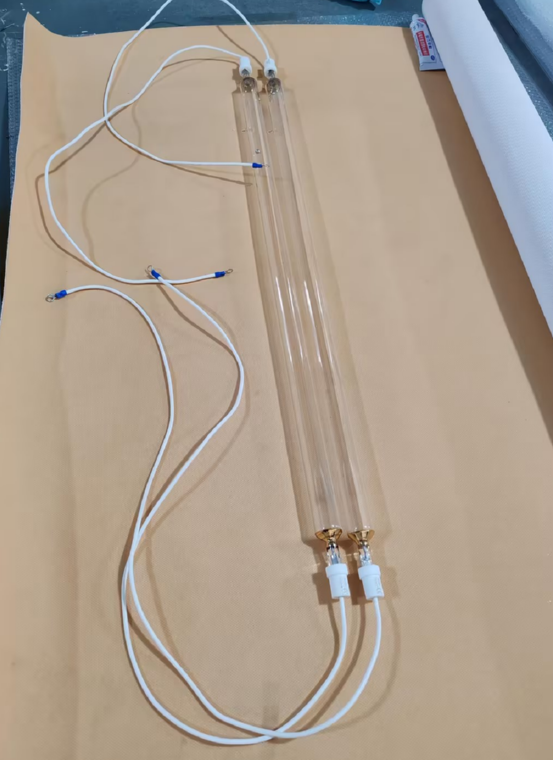
Let’s be honest: mercury UV bulbs are the real heavy lifters in industrial printing. If you’re running high-speed lines, you need that ink to bond to the fabric the second it hits the light. No smudging, no bleeding—just crisp, locked-in color. How it actually works It comes down to a mercury-vapor discharge. When that arc hits, it pumps out a concentrated blast of short-wave UV light. For you, that means the liquid ink transforms into a solid polymer film in a fraction of a second. It’s basically instant. The heat struggle Here is the thing about high-wattage bulbs: they get hot. Like, really hot. Most of that energy comes out as infrared heat, not UV. If your conveyor slows down or your cooling fans get gunked up with dust, you’re going to scorch your fabric. We build our tubes to handle high current, but you’ve got to make sure your ballast matches the bulb’s impedance. If they aren’t in sync, your bulbs will burn out way faster than they should. Built for the shop floor We use high-purity quartz glass because regular glass just blocks the UV light. Quartz lets it fly right through. These are designed to be simple drop-in replacements for your existing arrays. We also obsess over the tolerances on the end-caps. Why? Because a loose fit leads to arcing, and arcing is a great way to fry your sockets. Nobody wants to deal with that on a Tuesday morning. Knowing when to swap them out These lamps have the raw power you need for heavy-duty prints, but that intensity takes a toll on organic materials over time. Keep a close eye on your lamp hours. Once that mercury vapor starts to deplete, the UV output dips. You’ll notice the ink staying tacky, which usually means you’re headed for a pile of rejected prints. The best move? Set a replacement schedule based on your line speed. It’s much easier to swap a bulb on your own time than to panic when your quality drops mid-run.