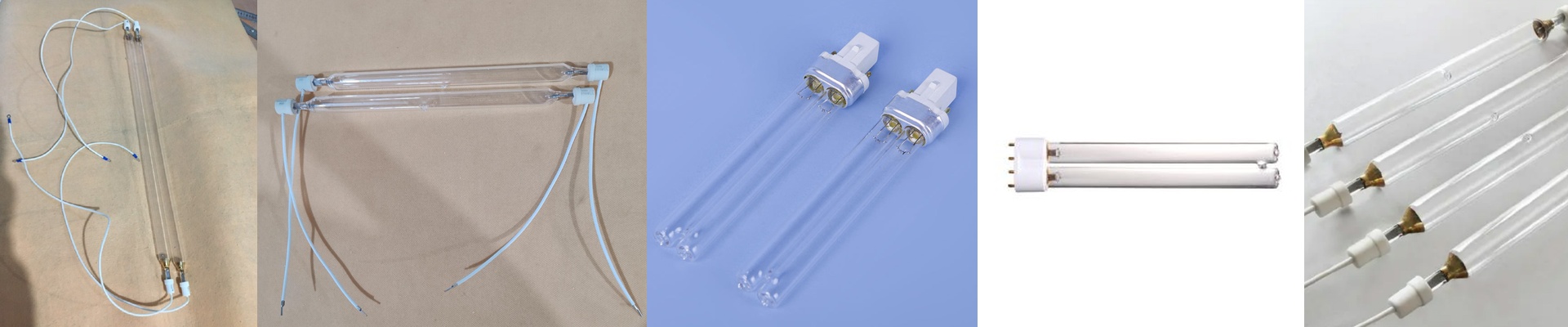
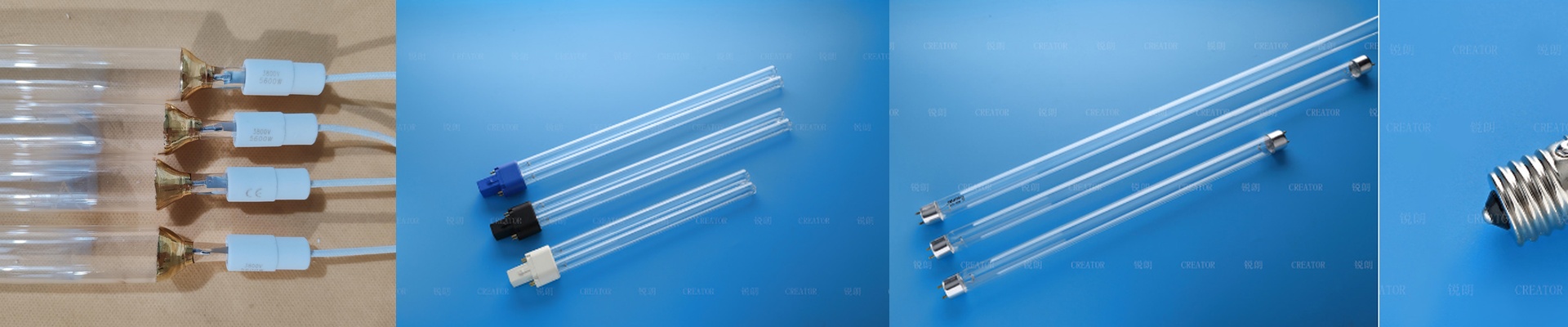
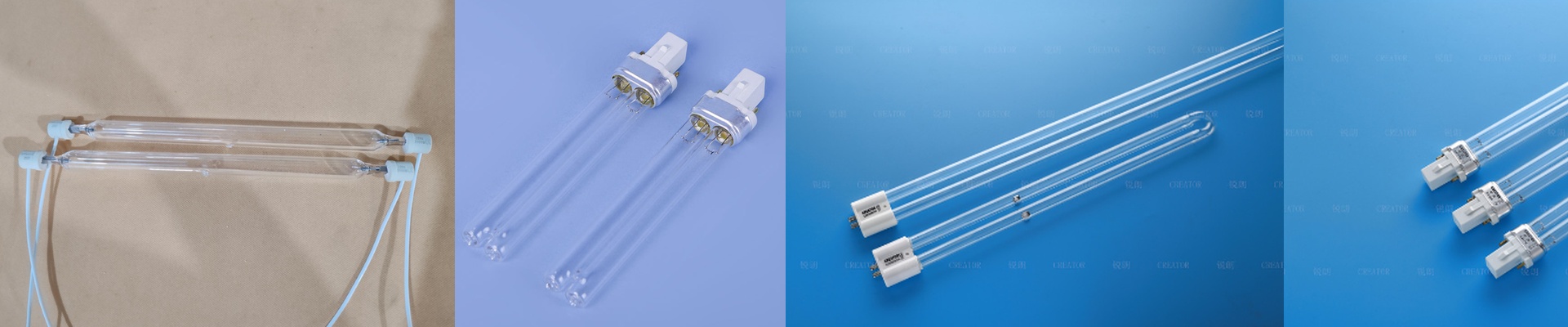
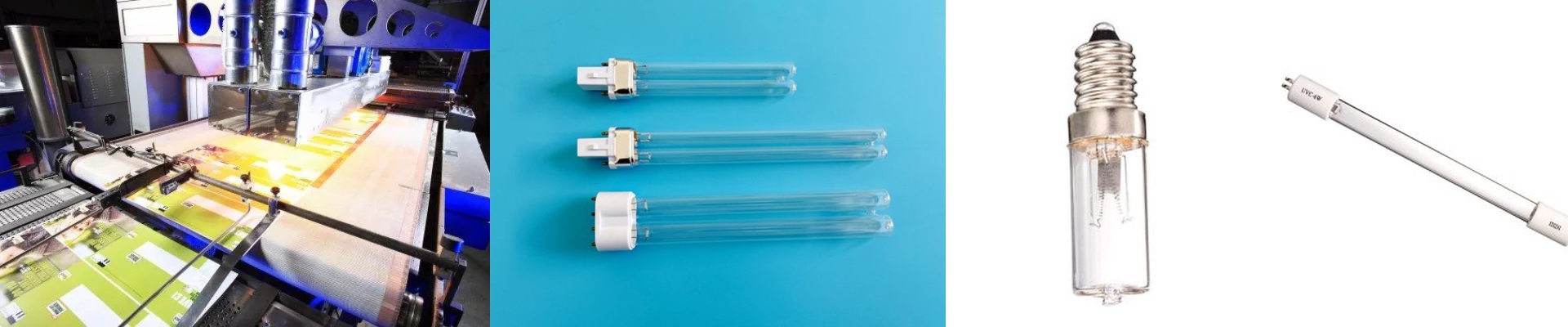
Making Your UV Curing Tubes Actually Last
Let’s be honest: nobody likes it when a UV tube dies right in the middle of a big job. For most small or mid-sized print shops, it’s a constant balancing act. You need enough power to cure the ink fast, but you don’t want to be replacing lamps so often that your profits vanish into your equipment costs.
Why some tubes just quit
It mostly comes down to what the tube is made of. If you use cheap quartz, the glass eventually “clouds over” from all that UV radiation. It’s called solarization, but basically, the glass just gets foggy. When that happens, the light stays trapped in the tube instead of hitting your paper. We use high-transmittance quartz. It keeps the light moving where it belongs—on the substrate—rather than just heating up the glass. Then there’s the power. It’s tempting to crank up the voltage to speed things up, but that’s a shortcut to burning out your electrodes. We’ve tuned our tubes to keep a steady arc. No flickering, no weird spots, just a clean cure.
The reality of the trade-off
These are designed to be simple drop-in replacements. You won’t have to mess with your ballast or rebuild your reflectors. It just works. But here is the thing: you usually can’t have it all. If you want a tube that lasts a really long time, you might lose a tiny bit of that peak intensity. You might need to slow your conveyor belt down just a hair to get the same depth of cure. Also, keep your cooling fans clean. If the tube gets too hot, the mercury pressure shifts and your output drops. It’s a small detail, but it makes a huge difference.
Built for the real world
We make these for the shops that need a professional setup without the corporate price tag. By using better materials for the electrodes, we can push the lifespan further. That means fewer times you have to tear down the machine and less time your crew is standing around waiting for a part to cool down. It’s just a smoother way to run your day.