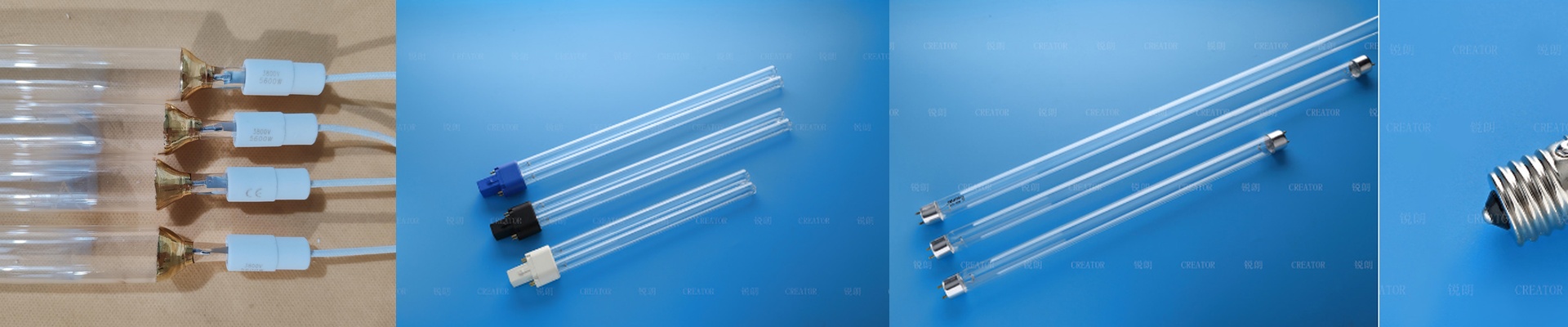
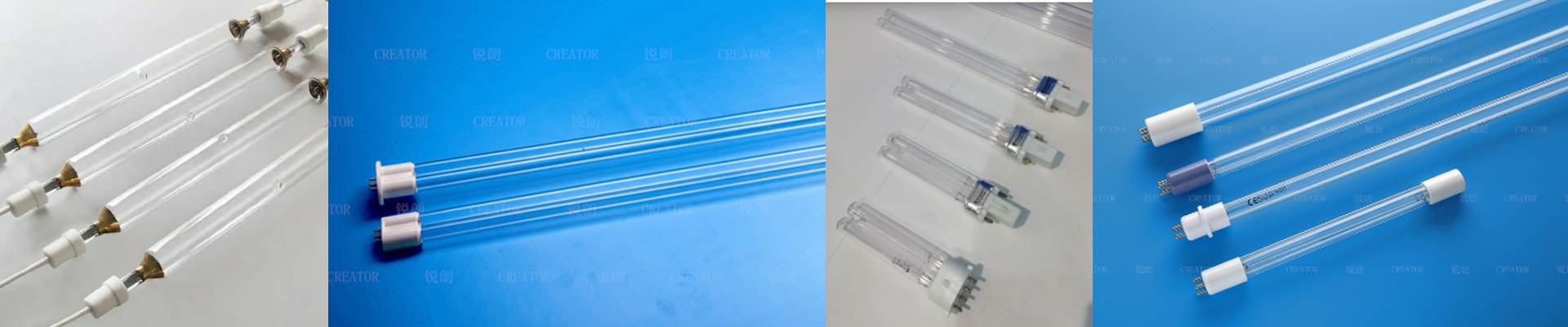
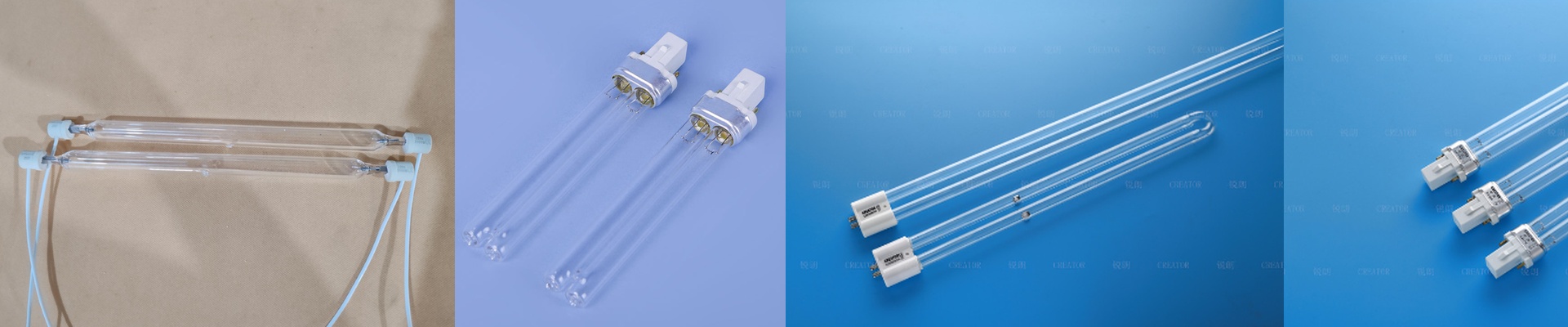
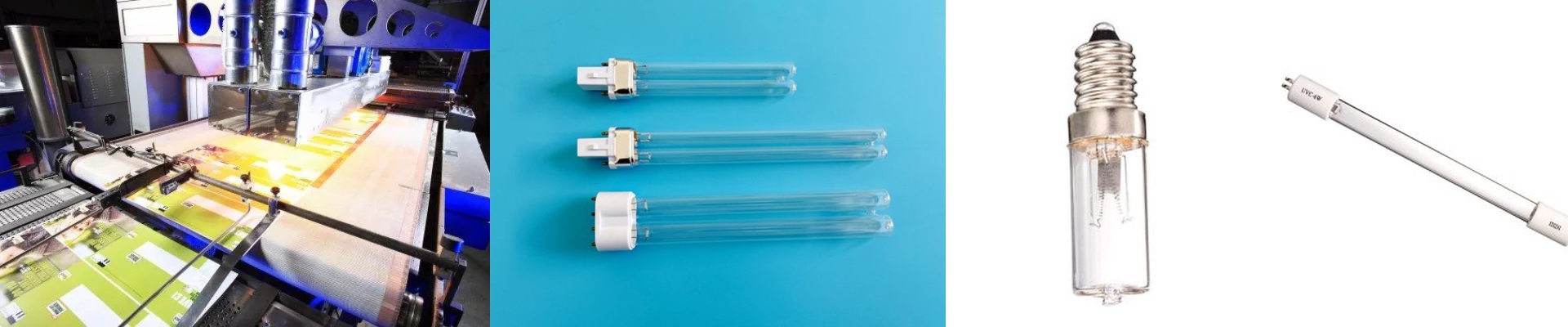
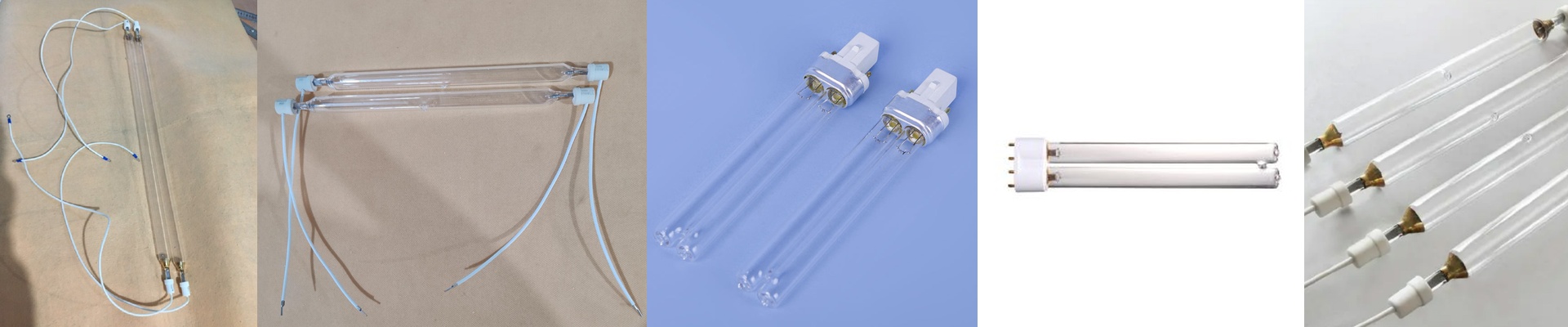
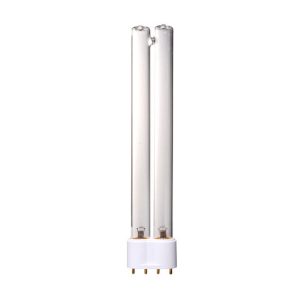
We spent some time visiting about 3,000 printing plants. We wanted to see where standard UV setups actually fall apart in the real world. What we kept seeing was the same frustration: shops were stuck with these rigid lamp arrays that just didn’t fit. They didn’t match the line speeds or the width of the materials being used. It’s a waste of energy, and honestly, it leads to a lot of uneven curing. So, we decided to stop thinking about these as single, giant machines and started thinking about them as blocks. The beauty of going Modular Instead of buying one massive, overpriced tube that you’re stuck with, you just pick the exact number of lamp cells you need for your conveyor width. They’re interlocking segments. Here is why that actually matters on a Tuesday afternoon when things are going wrong: if one bulb burns out, you don’t have to tear down the entire rig. You just swap out that one module and get back to work. Plus, if you need more power, you just add a few more cells. If you don’t, take them out. Simple. The heat struggle Now, there’s a trade-off. To get that deep UV-C penetration, we use high-output quartz tubes. They’re powerful. Really powerful. But that power comes with a catch—heat. If you crank these lamps to the max while running thin plastic films, you’re going to warp your material. It’s a headache nobody wants. To fix that, we paired the system with a chilled-air cooling manifold. It keeps the surface temperature steady so you can push the power without ruining the job. Getting it on the floor We also hated how long maintenance took, so we redesigned the connectors for quick swaps. No more wrestling with messy wiring looms. You just slide the module in, lock it, and you’re done. We kept the physical footprint small, too. The goal was to make sure these units fit into your existing press lines without you having to rebuild your entire shop. It’s basically a drop-in replacement that does the heavy lifting of polymer cross-linking without taking up half the room like those old legacy ovens.