More Than Just a Cure: How We Actually Build UV Systems
Most people look at a UV lamp and see a lightbulb that dries ink. We see it differently. To us, it’s a precision tool for delivering energy. When you’re running a high-speed line, that lamp becomes one of the most important variables in your entire process.
Getting the Physics Right
When we sit down to design a custom setup, we start with the spectral output and irradiance. It’s a balancing act. If you’re trying to bond polymers in a heartbeat or cure a thick slab of resin, you might think the answer is just to crank up the wattage. But here’s the thing: more power means more heat. If you push the photon flux too high without a plan for cooling, you’ll fry the electrodes. It’s that simple. You can’t just turn up the volume; you have to make sure the airflow can handle the heat.
The Nitty-Gritty of Materials
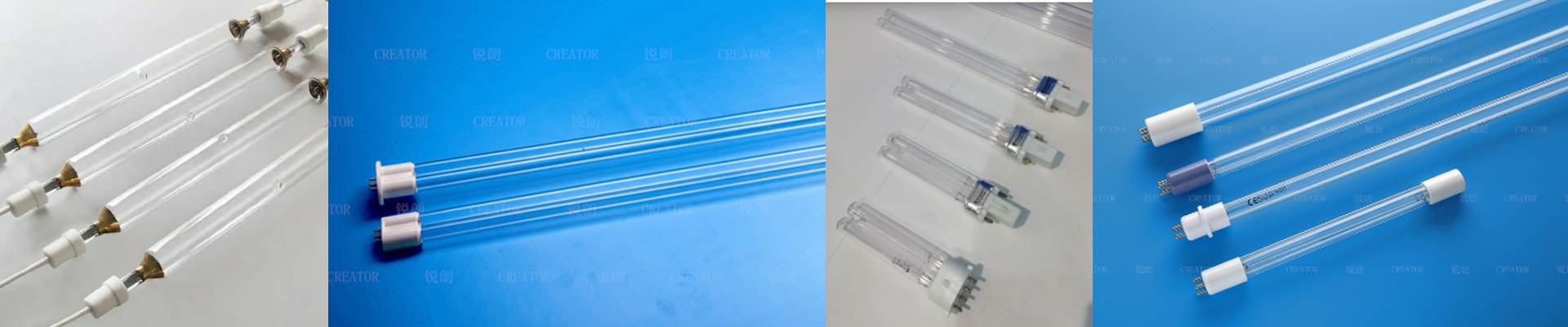
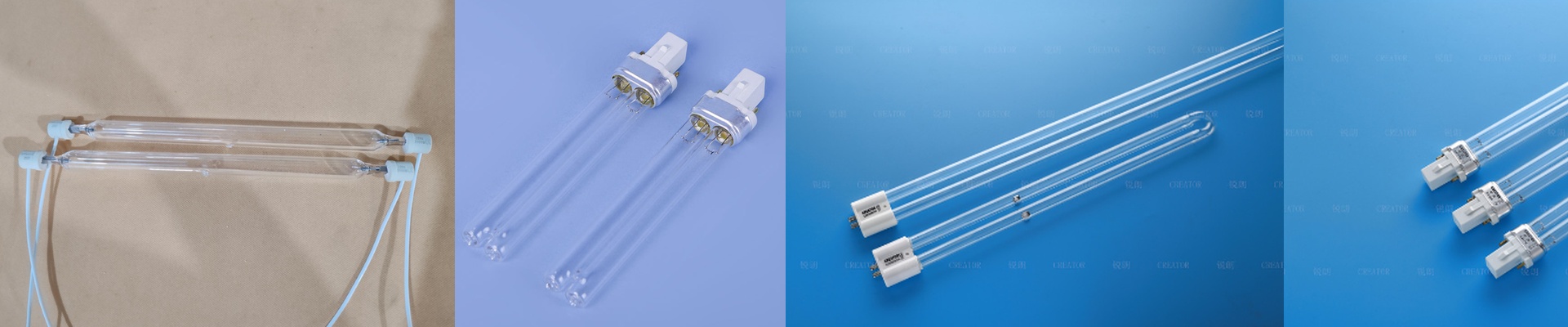
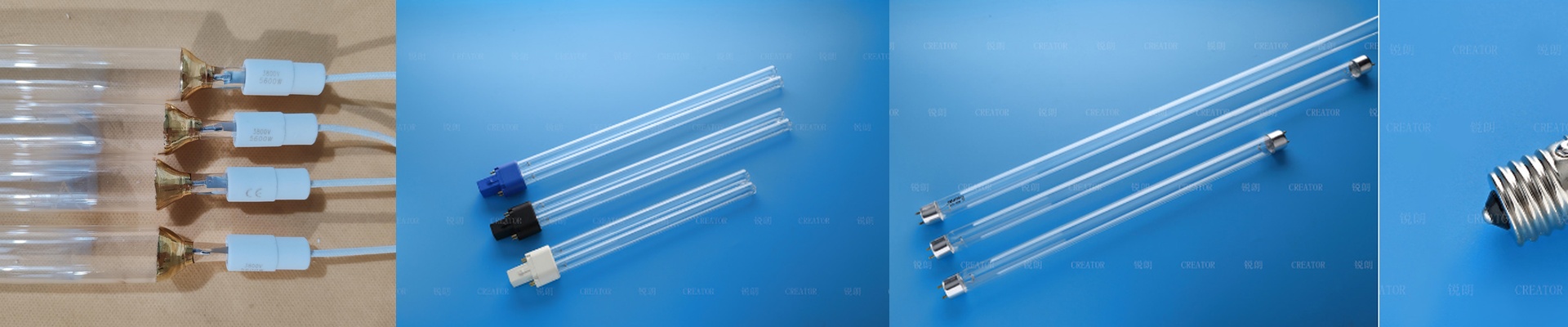
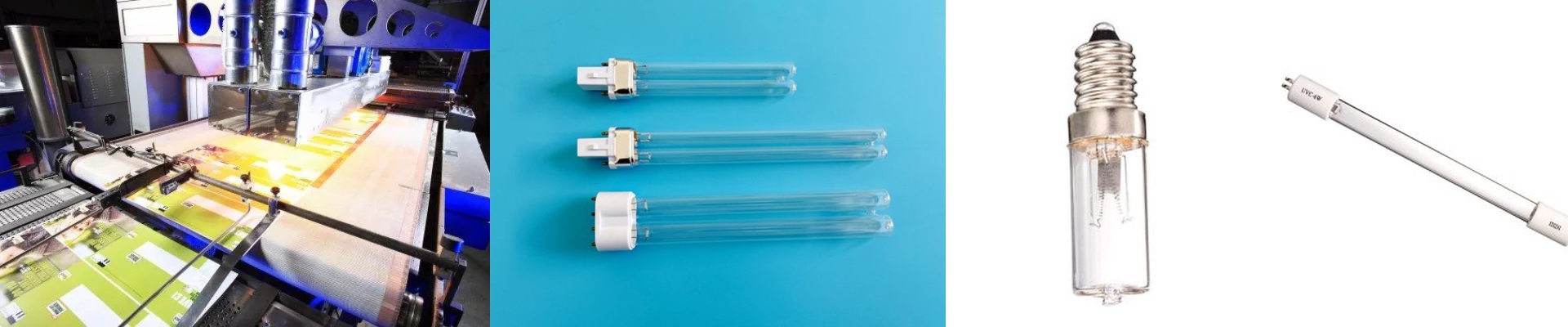
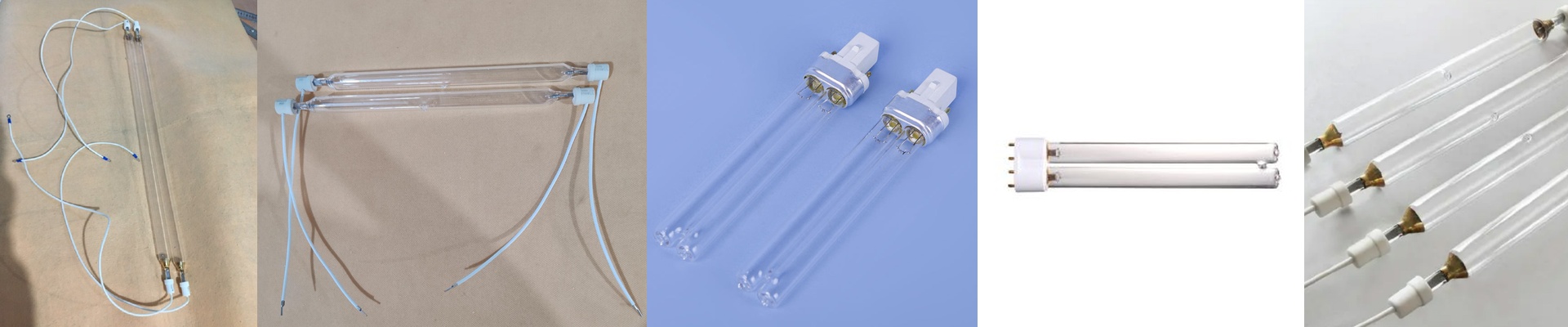
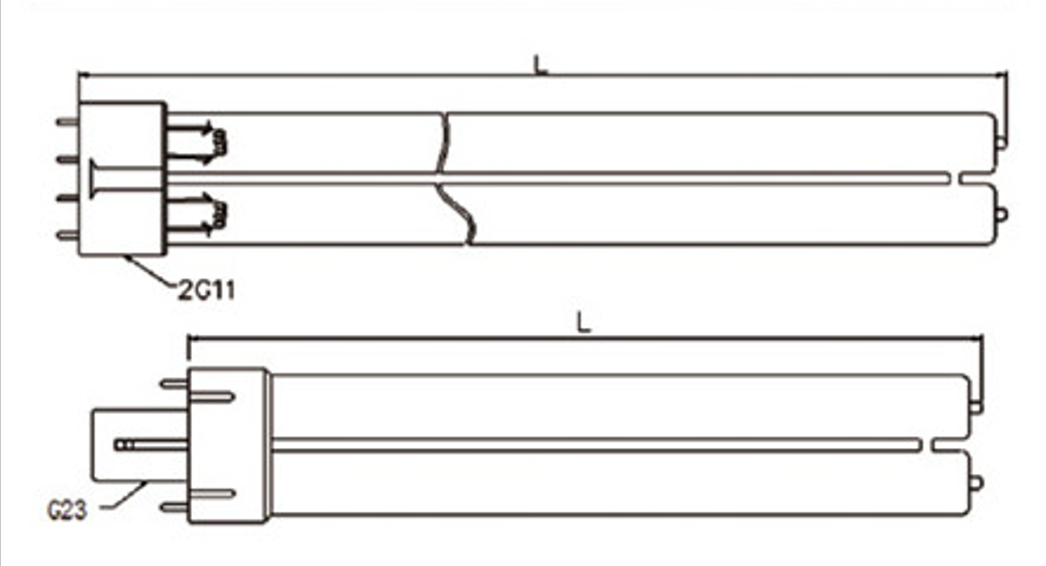
We don’t use standard glass. Why? Because standard glass blocks the exact wavelengths you’re paying for. Instead, we use high-purity fused quartz to make sure every bit of UV light actually gets through. Depending on what you’re using—whether it’s a specific ink or a stubborn adhesive—we can add specialized coatings to the tube. This shifts the spectrum to hit the photoinitiators exactly where they need it. And because nobody wants to spend a weekend rebuilding their conveyor frame, we customize the length and the connectors. We make them drop-in replacements. You slide them into your existing jigs, flip the switch, and you’re back in business.
Making it “Smart”
A UV system shouldn’t be an island. It needs to talk to the rest of your plant. We build our arrays to work easily with your PLC controllers and sensors. This means the power can shift based on how fast your belt is moving. If the line slows down, the lamps dim. It stops you from over-curing your parts and keeps your power bill from spiking. You get a consistent finish across the whole piece, even if the machinery jitters. Just keep in mind that while higher irradiance makes things move faster, it can make your substrate shrink. It’s all about finding that sweet spot between speed and the physical limits of your material.