Stop the Noise: Dealing with EMI in Your UV Curing Setup
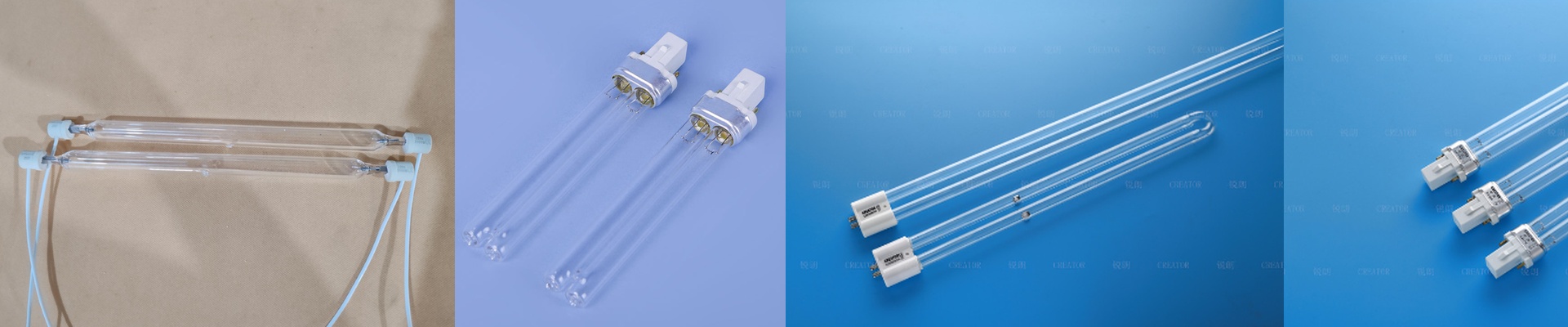
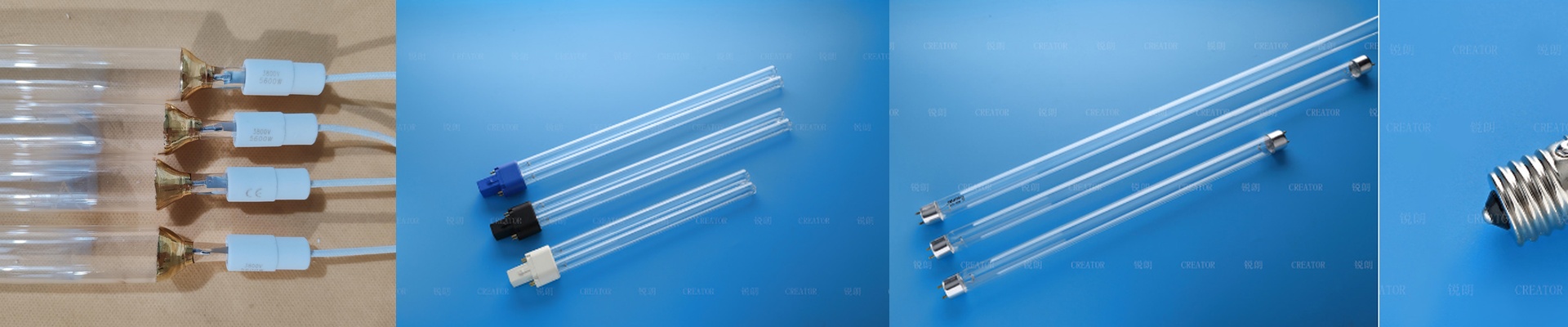
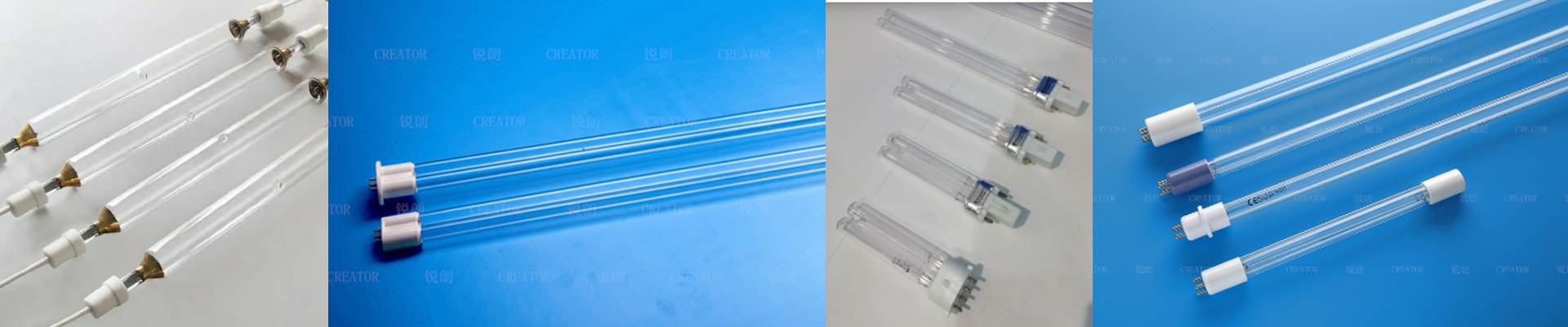
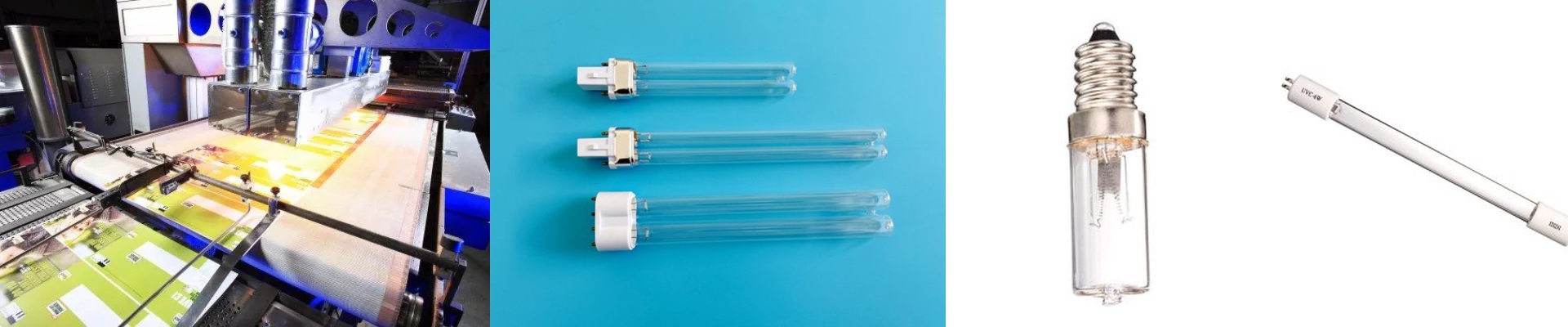
Here is how mercury UV bulbs actually work: you’ve got a quartz tube filled with mercury vapor, and an electrical discharge jumps between two electrodes to create that intense UV light. In a real-world print shop, you’re rarely just dealing with one lamp. You’ve probably got dozens of them humming away across several massive presses.
The headache of electrical noise
The problem is that the high-voltage ballasts and power supplies needed to run these bulbs are noisy. Not “loud” noisy, but electrically noisy. They create electromagnetic interference (EMI). When you have multiple presses running in the same room, that noise starts to bleed into your control circuits. You’ve probably seen it happen—sudden flickers, curing speeds that just won’t stay consistent, or automation triggers that fail for no apparent reason. It’s frustrating. That’s why we spend so much time obsessing over our bulb design and the circuitry that goes with it. We want to kill that interference before it hits your line.
How we keep things steady
We focus on two main things: shielding and the purity of that mercury discharge. By getting really picky about where the electrodes sit and exactly how thick the quartz walls are, we can stabilize the arc. When the arc is stable, you don’t get those annoying voltage ripples. It sounds like a small detail, but it changes everything when you’re running five or six presses side-by-side. Cheap bulbs tend to make sensors trip or cause your PLC to glitch out. Our lamps just stay steady. They do their job without polluting the electrical air around them.
A quick reality check
Now, there is a catch. Stability only works if your grounding is spot on. Even the most high-end, anti-interference bulb can’t save you if your machine’s chassis isn’t grounded properly. If you’re working in an older plant with wiring from twenty years ago, you might still see some noise. Before you start blaming the lamps, take a look at your ground loops. When you get the UV systems spec’d right, you can actually pack your machines closer together. You save a ton of floor space, and more importantly, your curing cycles stay exactly the same from the first shift to the last.