Getting the Light Just Right: The Art of UV Engineering
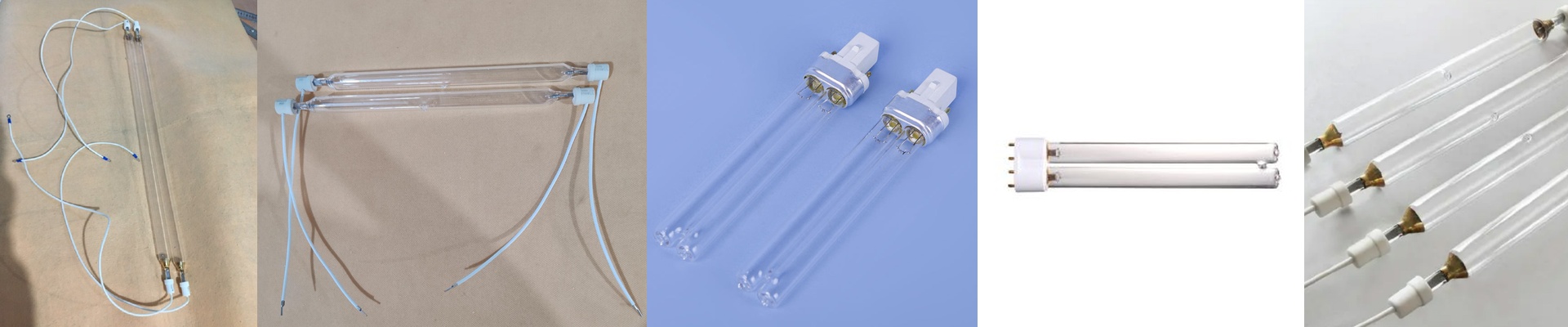
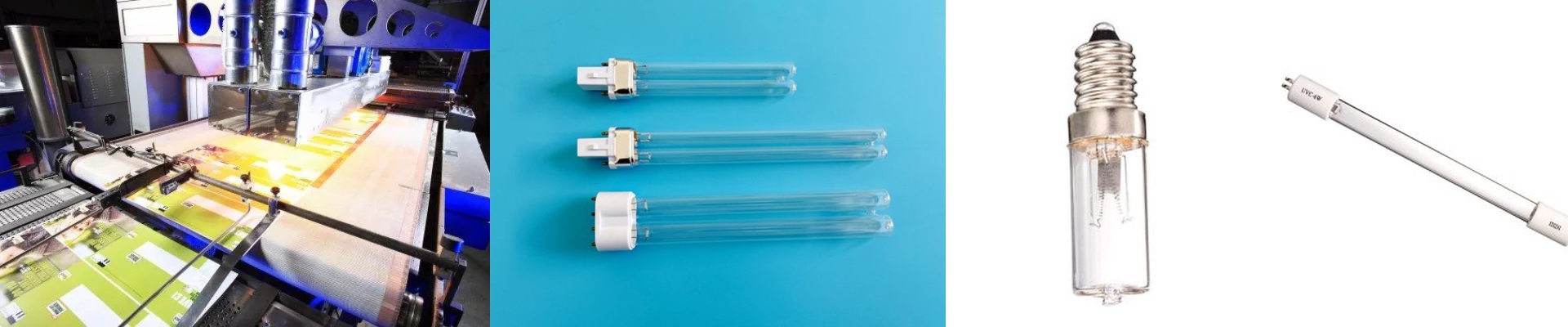
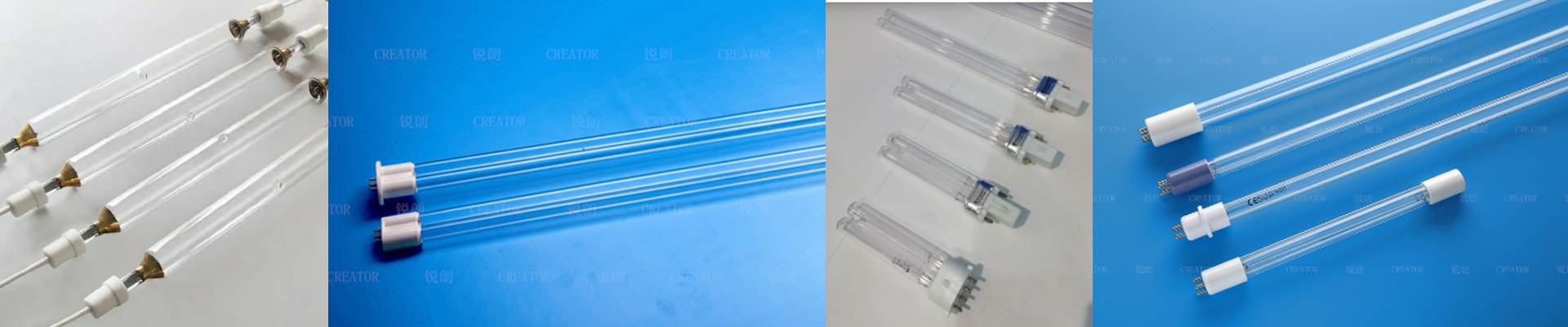
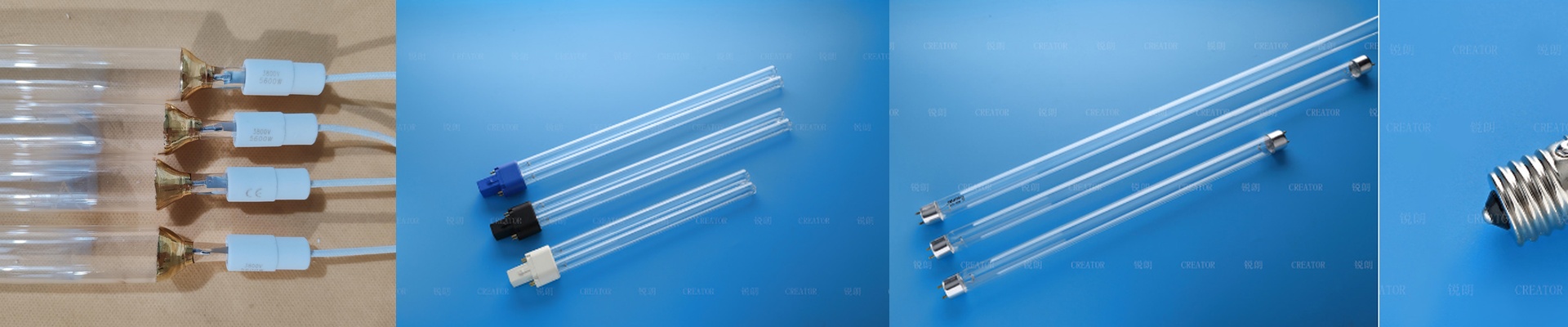
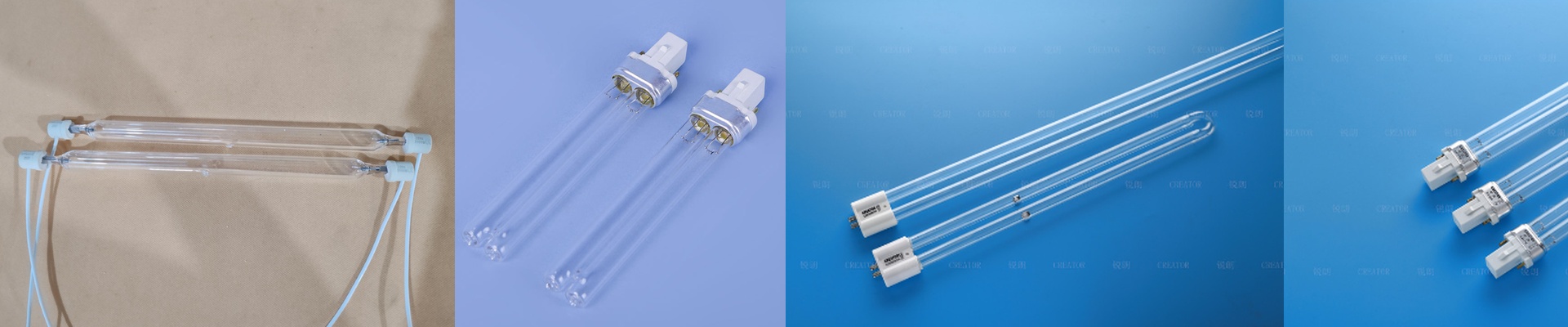
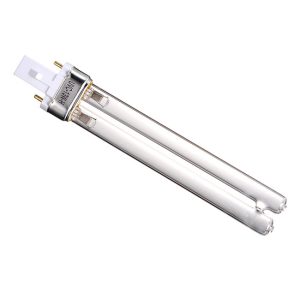
We don’t just slap together UV lamps. We tune them. Think of it like tuning a guitar. If you’re off by a hair, it sounds wrong. In our world, if the light is off by a few nanometers, it simply doesn’t work. Whether we’re trying to kill a pathogen’s DNA or harden a specific resin, we spend our time narrowing that light beam until it hits the exact spot the molecule needs to react. The trick with wavelengths Most people see UV as one big category, but the real magic happens in the tiny gaps. Take sterilization. We aim for 253.7nm. That’s the sweet spot where UVC light actually rips apart the molecular bonds of germs. If that wavelength drifts? The lamp becomes a glorified flashlight. It won’t kill the bugs. To stop the glass from soaking up the light before it even leaves the tube, we use high-purity synthetic quartz. It’s the only way to make sure the shortwaves actually get out there and do their job. Dealing with the heat Here is the thing: high-wattage UV tubes get hot. Really hot. If you don’t have a handle on your electrical specs, you’re asking for trouble. We set up our ballasts to keep the current steady so you don’t burn out your electrodes. But you also have to think about your gear. If you crank up the power to speed up a curing line, you might accidentally warp your conveyor belt or melt your substrate. It’s a balancing act. That’s why we usually suggest air-cooling or water-jackets for the heavy-duty arrays. It keeps everything cool while the light does the heavy lifting. Making it actually work in a factory The kind of quartz we use changes everything. For thick coatings that need deep-penetration curing, we use doped quartz to shift the spectrum. We design these to be simple drop-in replacements for standard housings. But a word of warning: check your power supply. If the strike voltage doesn’t match the lamp, you’ll fry the filament the second you flip the switch. These lamps are built to take a beating in a loud, dirty factory. Just keep the reflectors clean. A little bit of dust can kill your intensity faster than the lamp actually wearing out. Keep them shiny, and they’ll keep working.