Stop Treating Your UV Lamps Like Disposable Trash
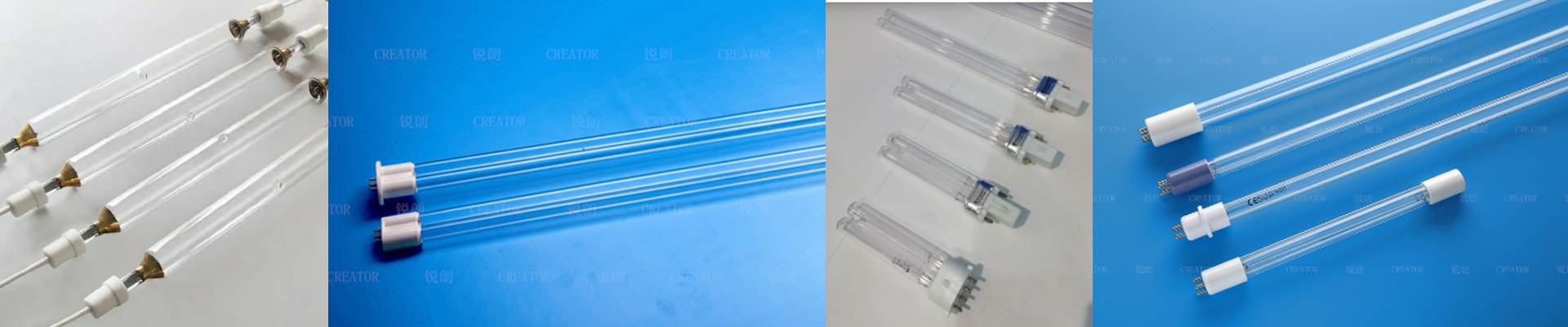
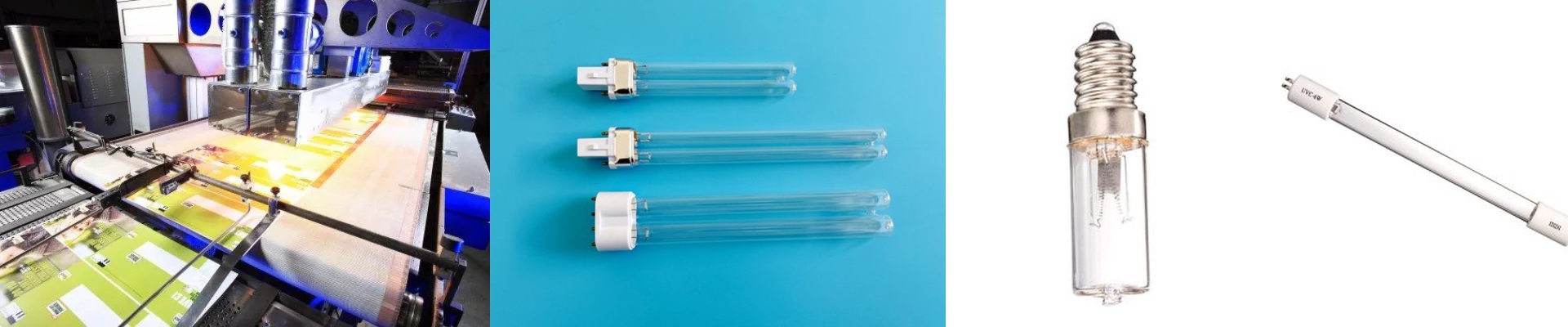
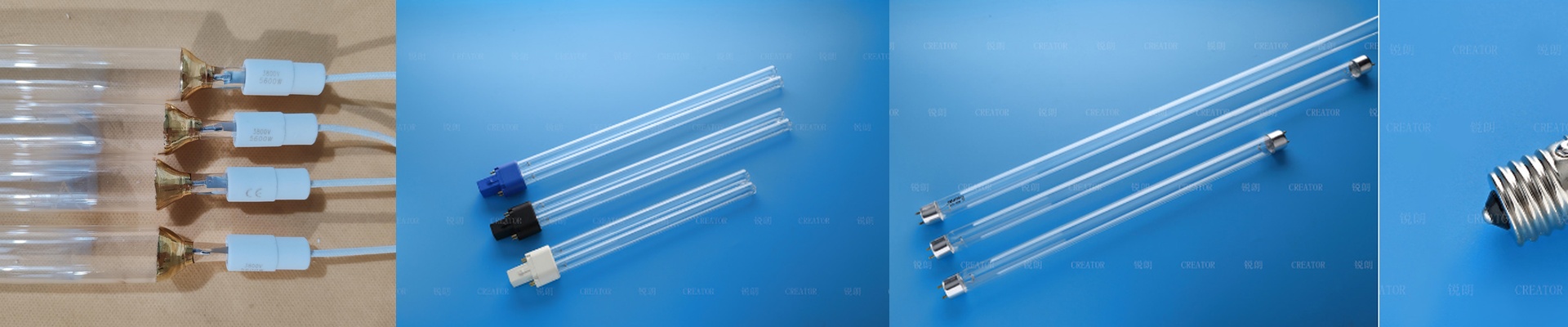
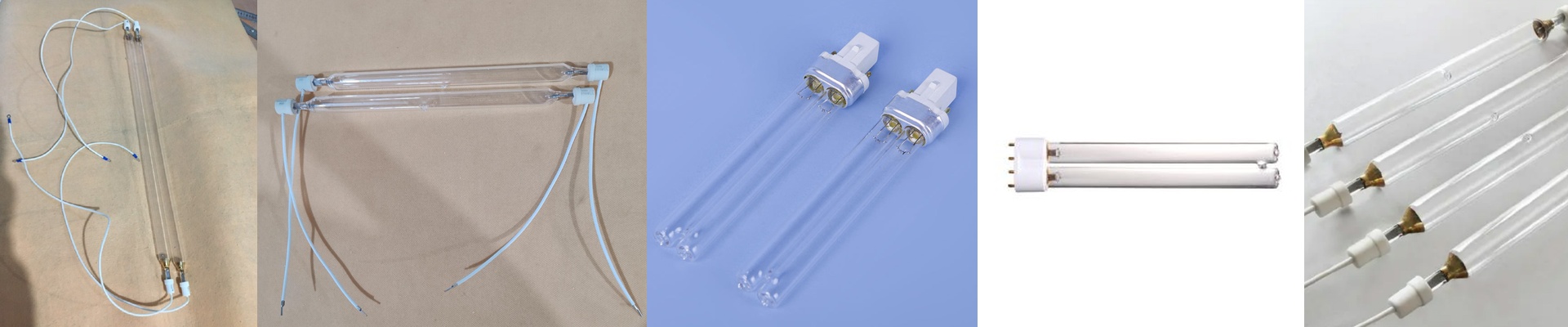
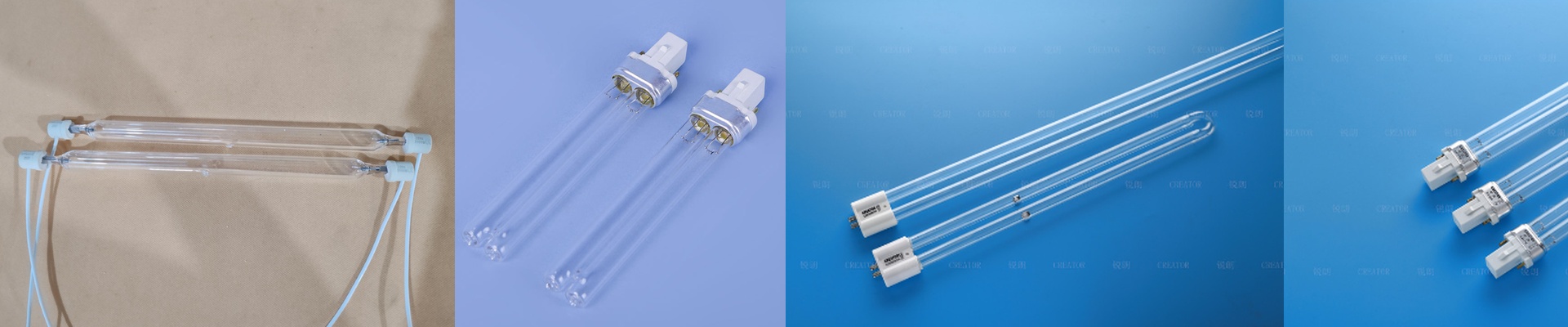
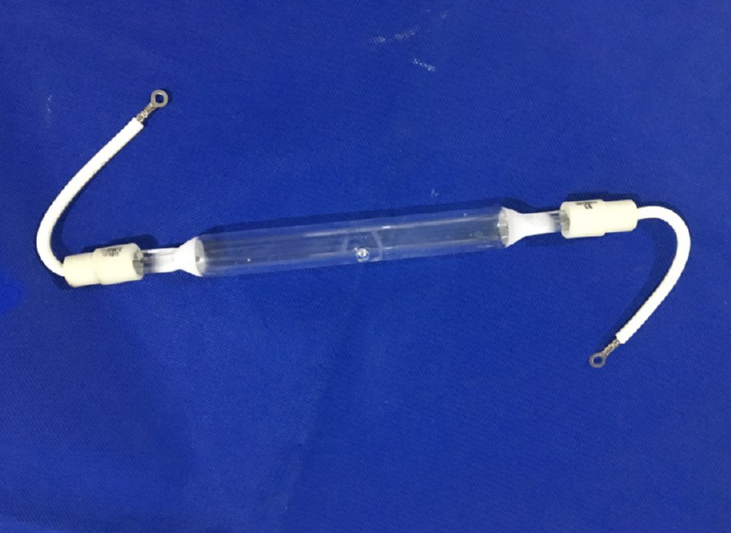
Let’s be honest: most UV lamps are designed to fail. You buy them, they run for a bit, and then they burn out. It’s a cycle of constant replacing and throwing away hazardous waste. We’re over it. We want to build a lamp that actually lasts. Not just something that hits the right wavelength on day one, but something that stays strong for the long haul. That means using high-purity quartz and ditching the mercury. It makes the whole process cleaner, especially when it’s time to decommission a plant. Why most tubes quit on you Usually, lamps die because the electrodes erode or the quartz “solarizes”—basically, it gets cloudy and stops letting the light through. It’s frustrating. We switched to high-transmittance synthetic quartz so your UV-C output doesn’t just tank after the first 500 hours. We also tweaked the gas fill and the electrodes to keep things stable. The best part? You won’t be spending your afternoon constantly recalibrating sensors because the light is drifting. The tricky part (and how we fixed it) Going eco-friendly isn’t always a walk in the park. Different materials react differently to heat. If you aren’t careful, the tube can crack under stress. To fix this, we adjusted the wall thickness to handle the heat. But here is a pro tip: if you’re running these in a hot environment,make sure your housing has plenty of airflow. If the air stays stagnant, the quartz will overheat. No matter how good the materials are, heat is the enemy. Getting them into your line We made these as drop-in replacements. You don’t have to rip out your wiring or mess with your ballast system just to be more sustainable. It’s simple. Fewer swaps mean your maintenance crew isn’t spending their whole shift climbing ladders or shutting down lines. Plus, since we provide these in wholesale volumes, your entire line gets a uniform dose of UV. No “cold spots” where bacteria can hide. Stop thinking of these as consumables. They’re a part of your infrastructure. Build it to last.