UV Curing That Doesn’t Break the Bank
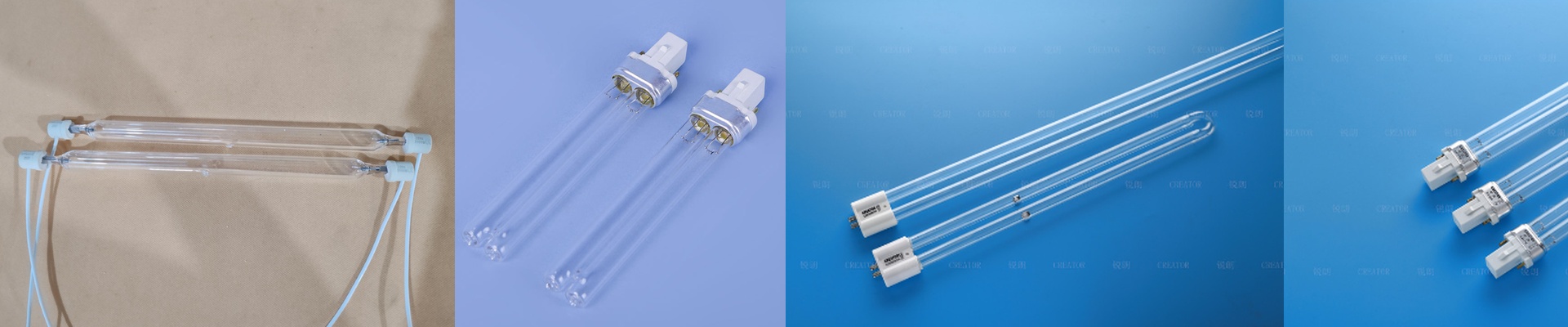
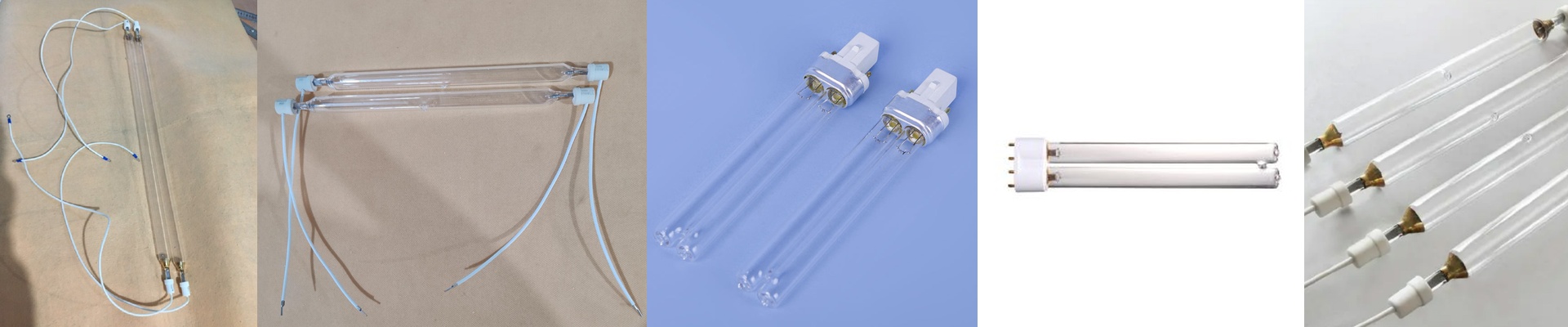
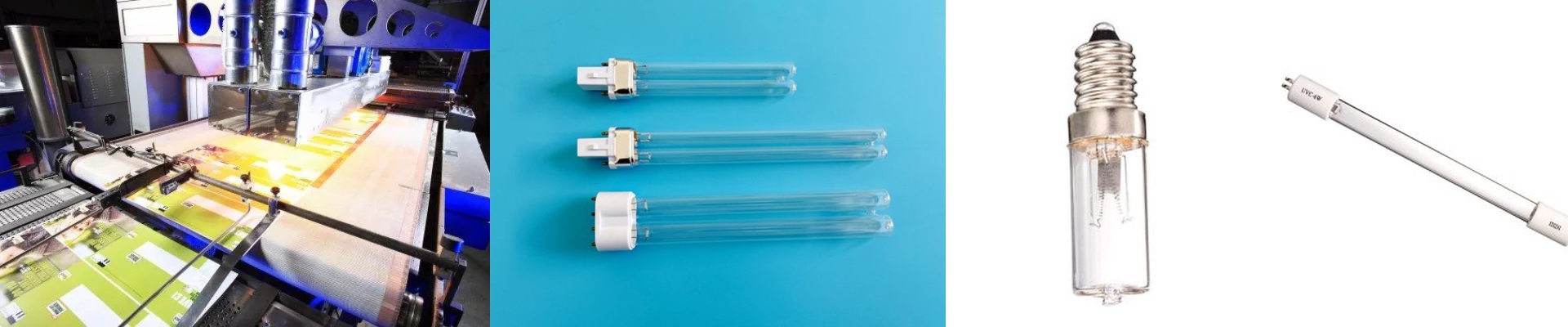
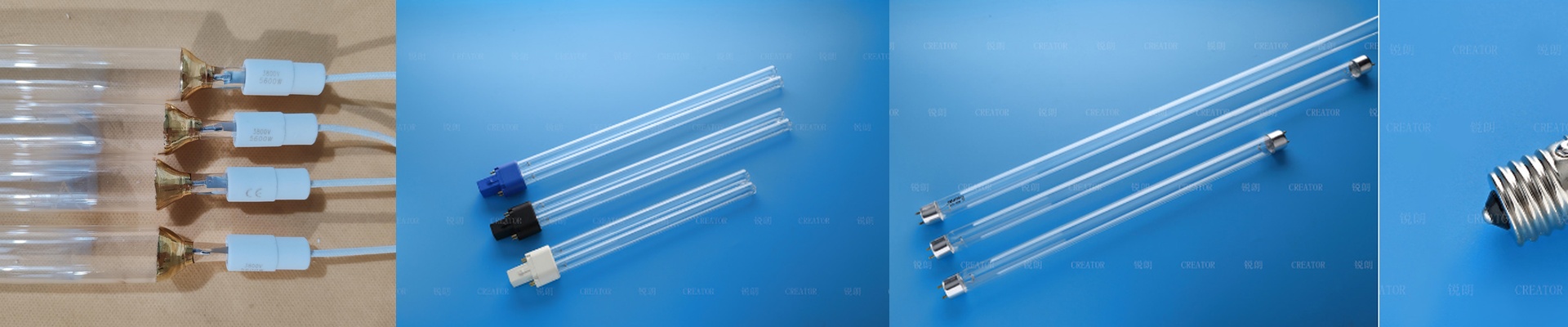
Let’s be honest: most of the high-end UV curing setups out there are priced for giant corporations, not the local shop. It’s frustrating. You need the quality, but you can’t justify a price tag that eats your entire margin. That’s why we build custom UV lamps. We basically bridge that gap by giving you industrial-grade power without the “enterprise” markup. Whether you need a quick drop-in replacement or something built from scratch, we’ve got you.
Getting the Power Right
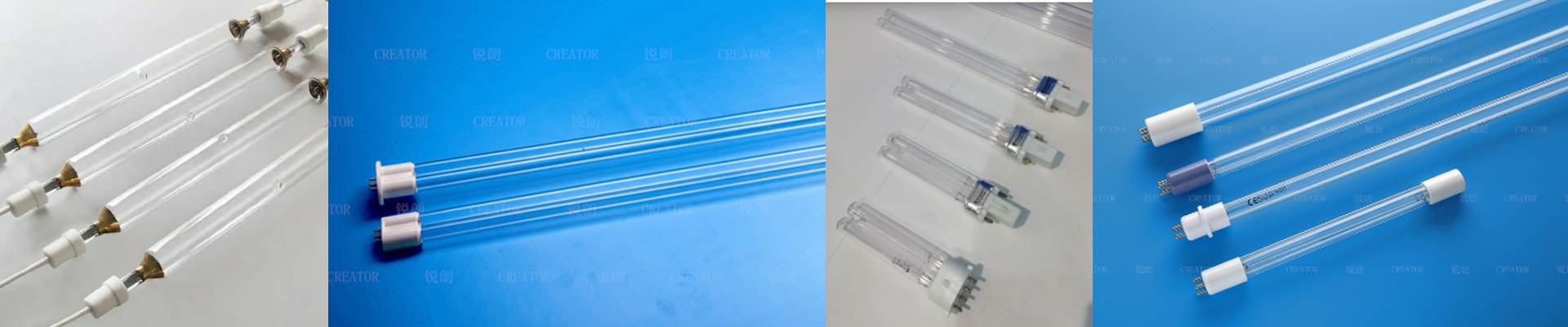
UV curing is all about hitting that sweet spot. If the energy isn’t exactly right for your specific ink, you’re in trouble. Here’s the deal: your wattage has to play nice with your conveyor speed. If you push your line too fast, you end up with prints that feel tacky to the touch. Too slow? You’ll actually scorch the material. It’s a delicate balance. We handle the math for you. We’ll look at your ink chemistry and your speed, then customize the tube length and diameter to fit your existing machine. No need to tear apart your chassis or spend a fortune on modifications. It just fits.
Built for the Real World
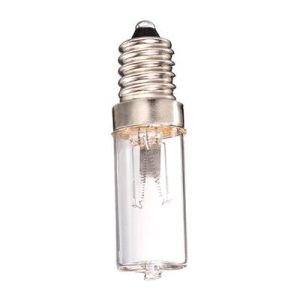
Printing shops are messy. They’re dusty, they’re loud, and equipment takes a beating. We use high-grade quartz glass because it handles the heat and lets the UV light through without breaking a sweat. Plus, we can add customized reflectors to focus the beam. This means less wasted energy and less heat for your cooling system to fight. And we don’t overlook the small stuff. We make sure the connectors match your ballast and the pins are seated tight. The last thing you want is arcing at high voltages while you’re in the middle of a big run.
The Trade-off: Heat
Now, there is a catch. More power means more heat. When you’re curing at high intensity, you aren’t just getting UV light—you’re getting a lot of infrared radiation. It gets hot. Really hot. You’ll need to make sure your exhaust fans can keep up. If the air isn’t moving, your lamp won’t last nearly as long, and you might see bubbles forming in your ink. We provide the raw power to get the job done, but you’ve got to make sure the airflow is there to keep things cool.