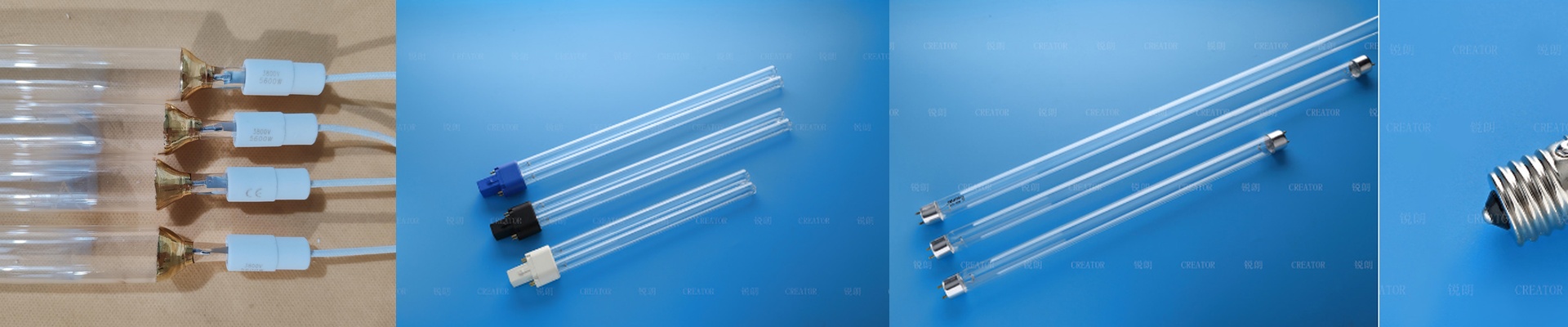
Getting the 120W/cm Mercury UV Lamp Right
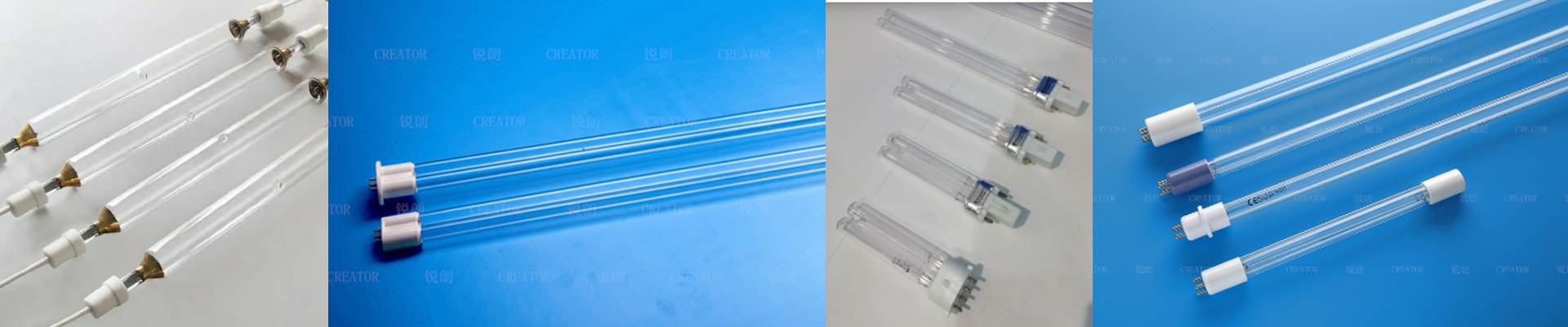
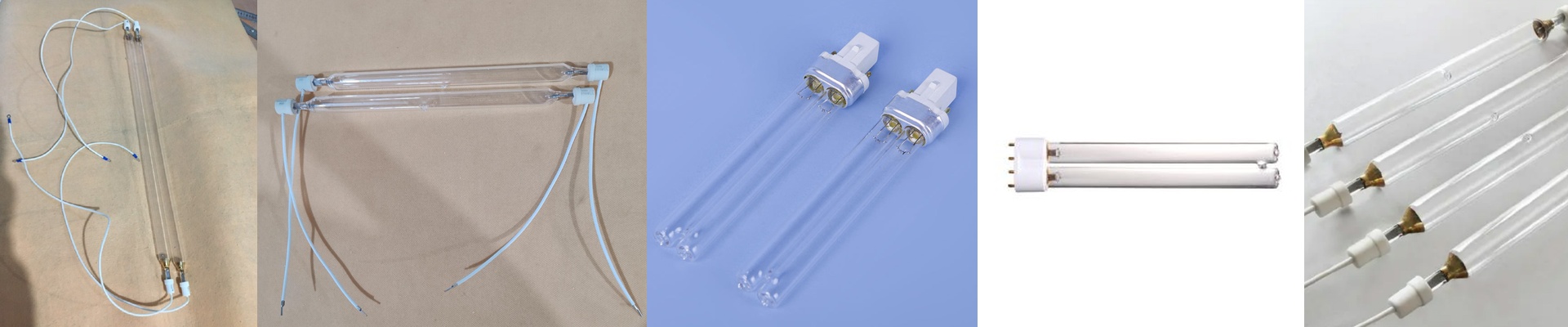
We set our standard mercury UV lamps to a power density of 120W/cm. It’s not just a number we picked out of a hat. It’s the “sweet spot.” It’s enough punch to get industrial coatings and adhesives to cure fast, but not so much that you end up melting your substrate.
The reality of 120W/cm
When you’re running a conveyor system, you can’t afford “cold spots.” Those are the nightmare zones where the resin stays tacky or doesn’t cure at all. By keeping the power density consistent across the whole lamp, we make sure the UV flux is steady. We use high-purity mercury vapor to hit those 254nm and 365nm peaks—the stuff that actually does the heavy lifting. But here’s the catch: heat. Pushing 120W per centimeter creates a lot of infrared radiation. If your cooling fans or water-jackets aren’t up to the task, you’re going to have problems. We’re talking warped substrates or, worse, the quartz envelope softening.Keep it cool, or you’ll pay for it.
The build
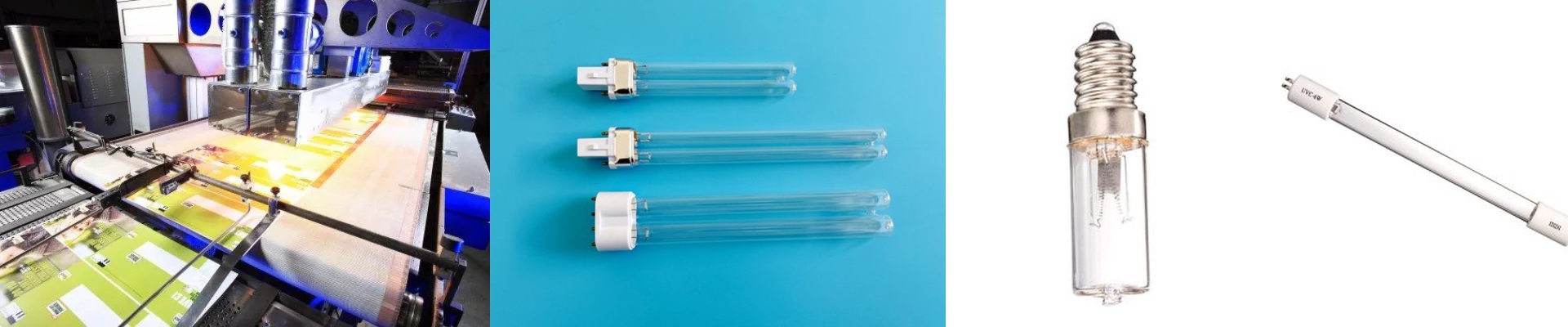
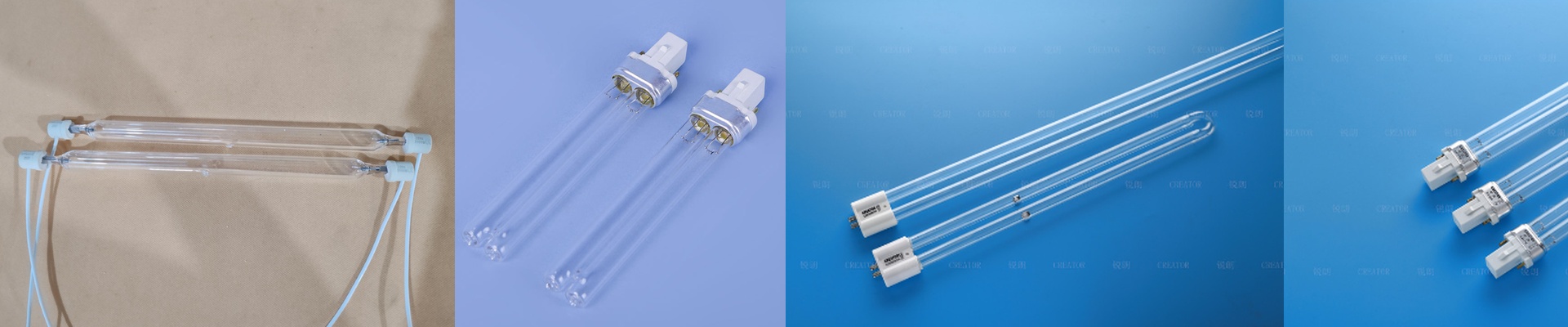
We use high-transmittance fused quartz because standard glass just blocks the UV. It’s a no-brainer. The real trick is the seal. The connection between the electrodes and the quartz has to be airtight. If even a tiny bit of air leaks in, the filament oxidizes and the lamp burns out. Period. We also obsess over the spectral output. Your ink or glue has a specific photoinitiator, and the light needs to match it. If the wavelength is off by just a few nanometers, your cure time could double. That’s a lot of wasted time and money.
Putting it to work
These lamps are designed to be drop-in replacements for high-speed lines. They’re predictable. Since we keep the wattage tolerances tight, you can swap lamps across a 10-unit array and get the same result across the entire web. It just works. One quick tip: make sure your ballast matches the lamp’s impedance. If they aren’t in sync, you’ll kill the electrodes way sooner than you should.