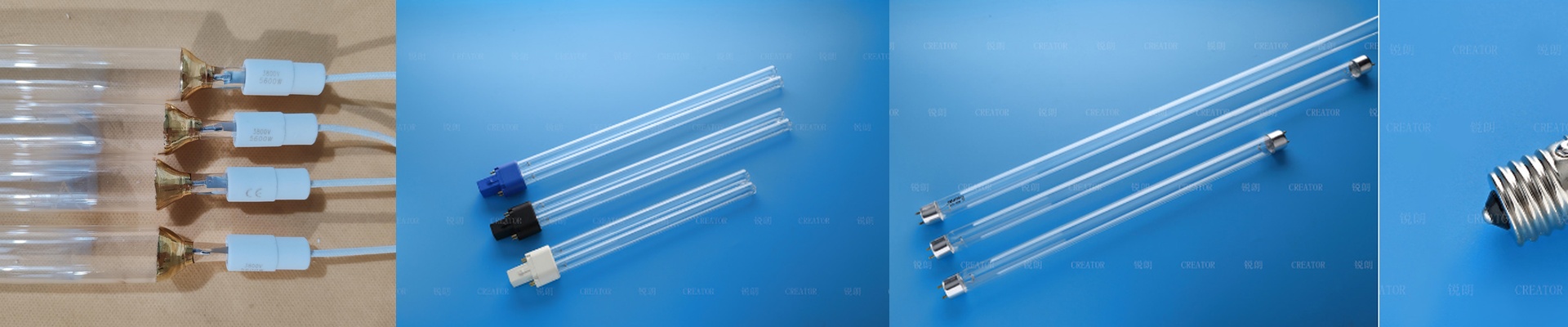
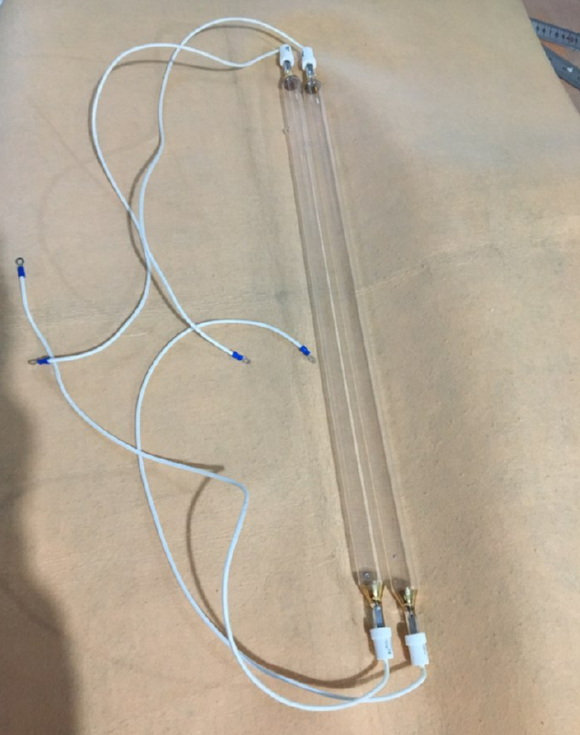
Stopping the Guesswork with Smart UV Quartz Tubes
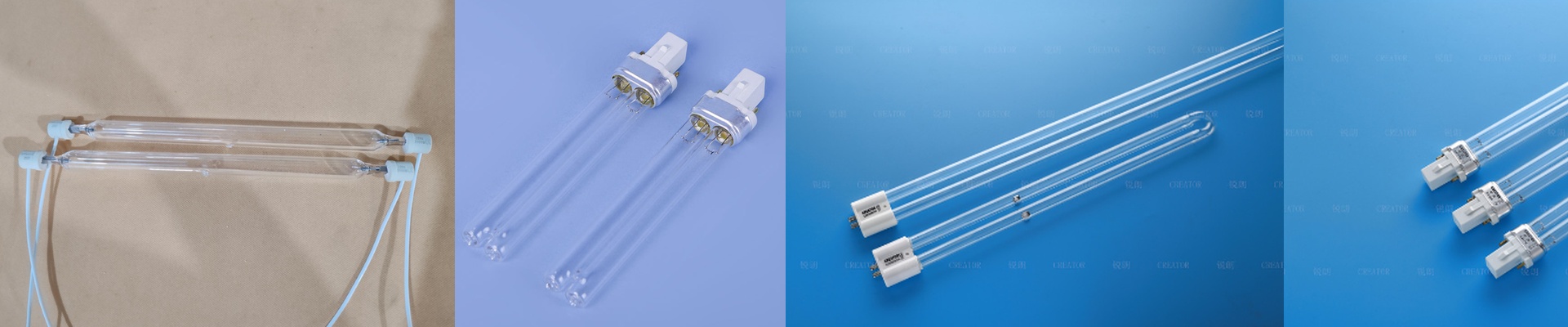
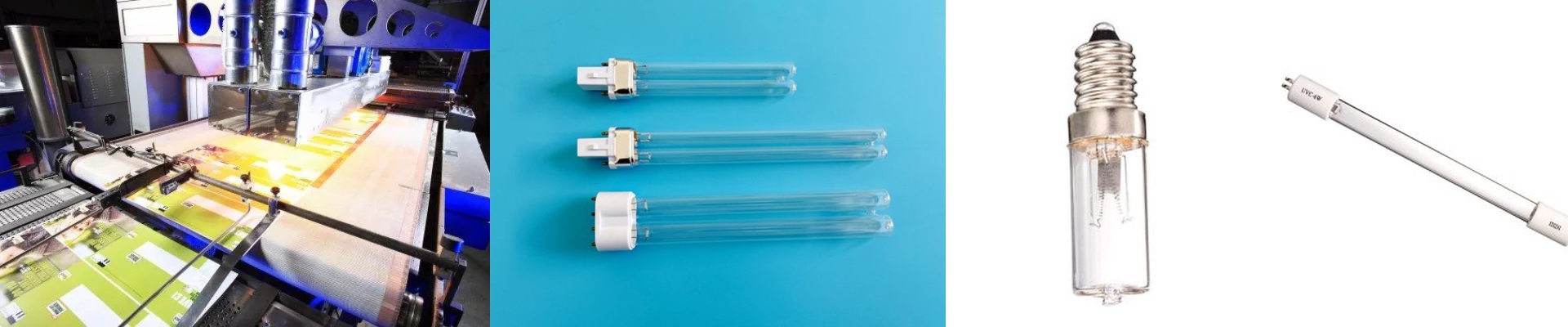
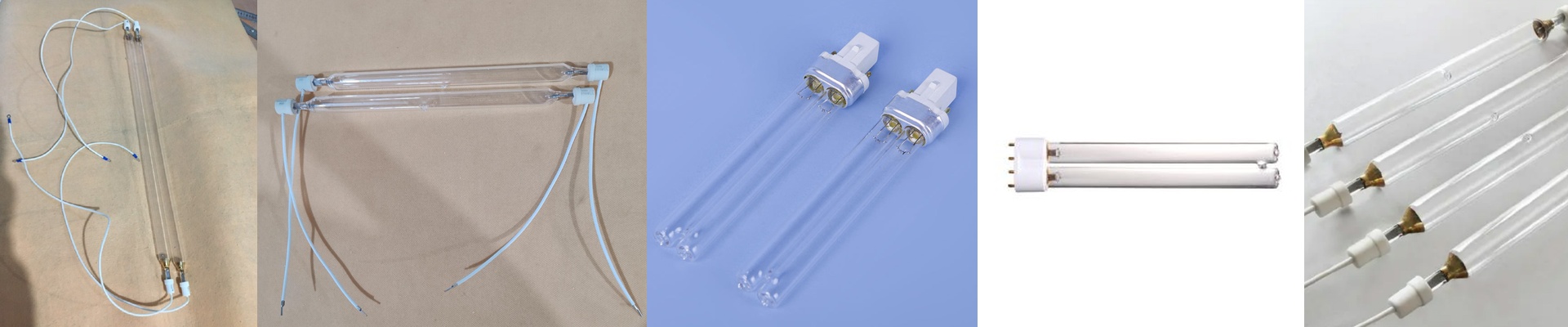
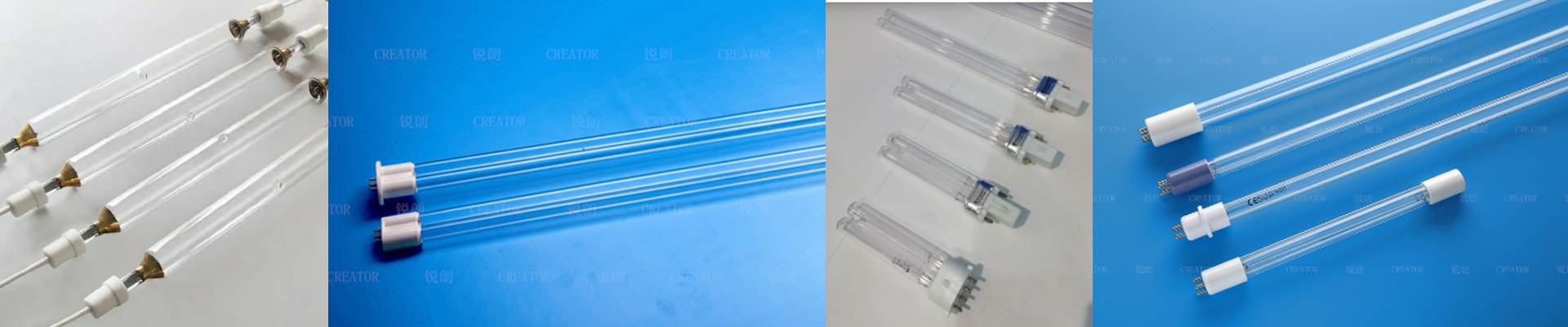
For the longest time, buying wholesale quartz UV lamps has been a bit of a shot in the dark. You plug them in, they glow, and you just… hope for the best. You only really know there’s a problem when the output tanks or the filament finally snaps. It’s a blind system. And honestly? It’s a headache. That’s why we’re changing how these tubes work. We’re building remote energy monitoring right into the hardware.
Getting the Data
Instead of just relying on a basic ballast, we’re adding current and voltage sensors. Here is why that actually matters: by keeping an eye on the power draw in real-time, you can tell when a lamp is starting to give up the ghost long before it actually dies. If the amperage dips, it’s usually a sign that the electrodes are worn out or the quartz is solarizing. We use Modbus or IO-Link to make this happen. It means the data flows straight into your PLC. No more staring at a timer and guessing if the lamp is still effective. You can just look at the screen and see exactly how much power is being used.
The Heat Factor
Now, we still use high-purity synthetic quartz because you need that maximum UV-C transmission. But adding sensors and circuitry adds a new variable: heat. Those sensor nodes get warm. You’ve got to make sure your housing has plenty of airflow, otherwise, you’re just cooking your own electronics. In fact, if your cooling fans quit, the telemetry hardware will likely trip and shut down before the lamp even notices.
What This Actually Changes
The best part? No more walking around doing manual inspections. If a tube starts flickering or a ballast begins to fail, you’ll see it on your dashboard from across the room. You stop reacting to disasters and start planning your maintenance. But I’ll be honest—it’s a bit more work upfront. Wiring up a smart array takes more time than just plugging in a standard lamp. You’ll need to think through your network setup, especially if you’re running hundreds of tubes across a massive production line. But once the wiring is done? Your maintenance team can finally stop firefighting and actually breathe.