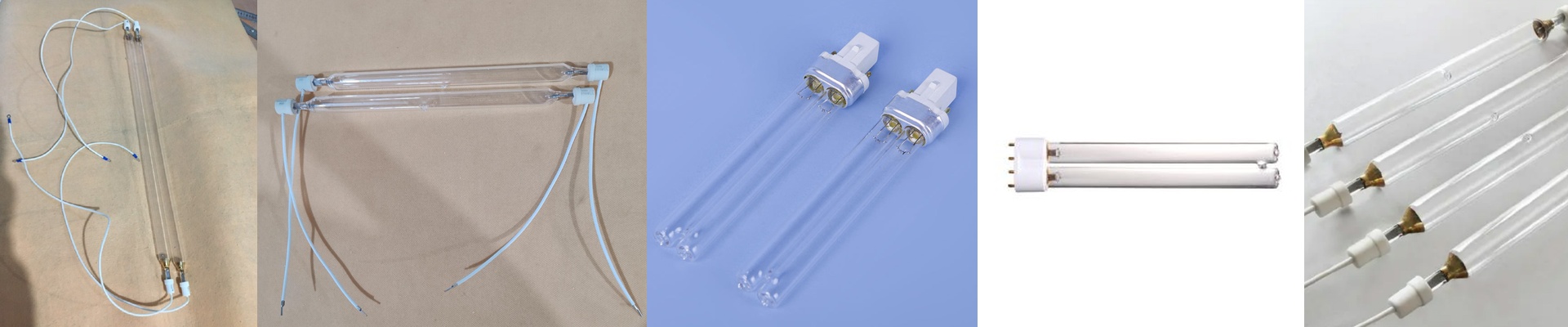
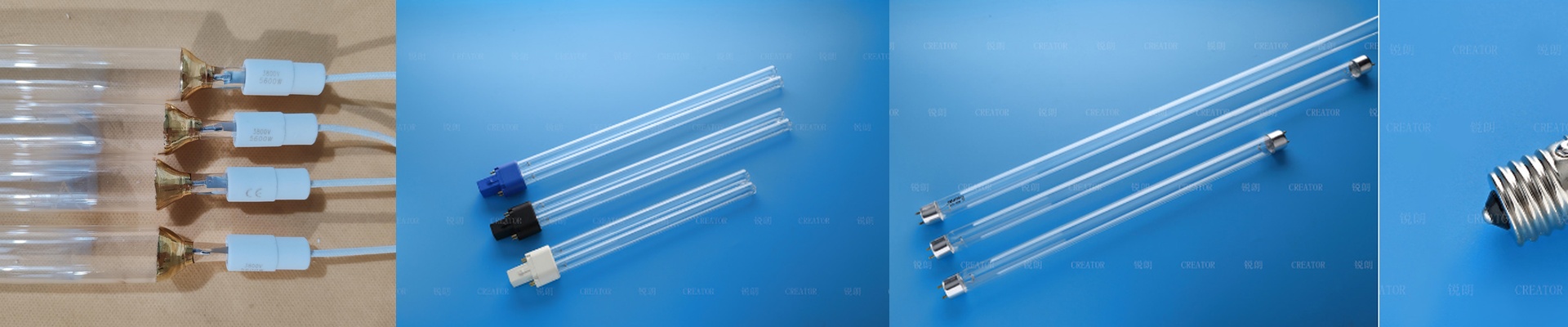
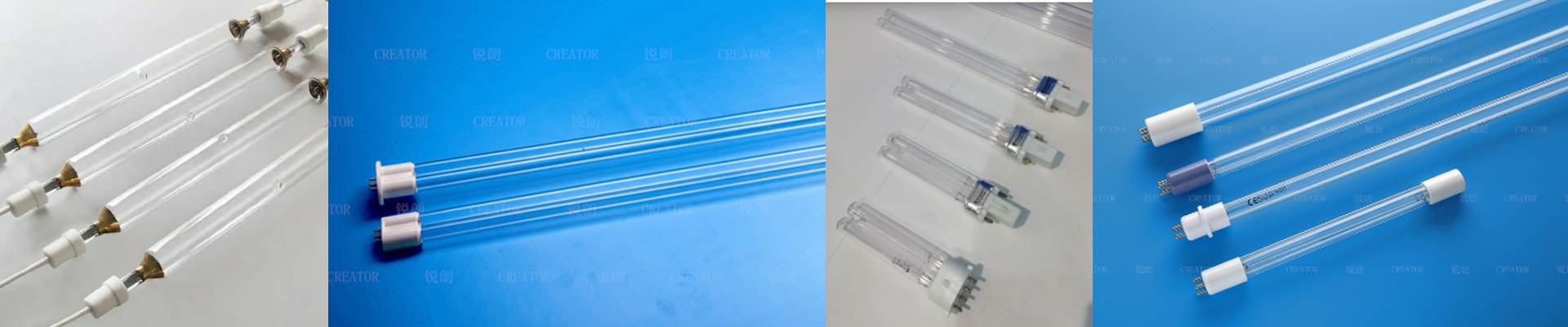
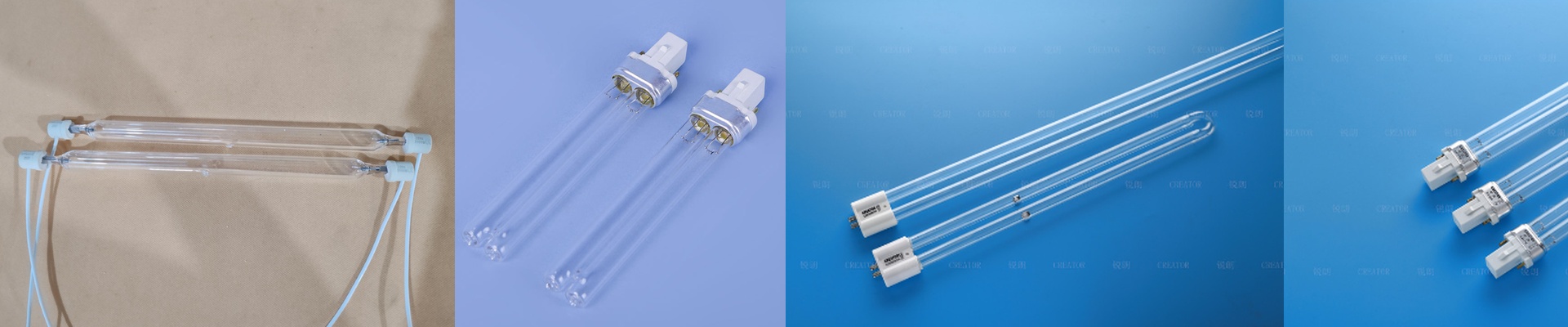
Getting the UV Spectrum Right (Without Burning Your Product)
Most wholesale UV lamps just blast a wide range of energy at whatever is underneath them. It’s a blunt instrument. We decided to take a different path. We spent our time chasing a 0.5% spectral energy concentration. Now, this isn’t about making the lamp “stronger.” It’s about precision. We wanted to control exactly where that energy hits the material so you get a full cure without accidentally melting your substrate.
The nitty-gritty of the physics
Hitting that tiny 0.5% window was a headache. We had to completely rethink the gas mixture and how the electrodes were shaped. See, standard lamps tend to “bleed” energy into wavelengths you don’t actually need. That wasted energy just turns into heat, which is a nightmare if you’re working with plastic parts that warp or resins that degrade when they get too hot. To fix this, we played with the arc pressure and used high-purity synthetic quartz. We ran hundreds of tests to get the plasma discharge stable. If the gas ratio is off by even a hair, the whole spectrum shifts. And that quartz? It’s there to make sure the glass doesn’t soak up the very wavelengths we’re trying to push through.
The trade-off
Here’s the catch. When you tighten the spectrum, you’re packing a lot of energy into one specific peak. That means the center of the arc runs hot.Really hot. You can’t just toss these into some cheap, old fixture and hope for the best. Your cooling system needs to be up to the task. If it can’t handle that concentrated heat, you’re going to see those quartz tubes fail way sooner than they should.
Putting it to work on the floor
This is where it actually matters. If you’re running high-speed lines with PET materials or thin films, this is for you. Because the energy is so concentrated, the chemical reaction happens faster. You can crank up your line speed and get more product out the door without smelling burnt plastic. These are designed to drop right into your existing UV arrays. Just make sure your ballast can handle the specific impedance of these tubes. And a pro tip: if your power has a lot of voltage ripple, it’ll fight the stability of that 0.5% concentration. Clean up your power, and these lamps will do exactly what they’re supposed to do.