Why We’re Making Gallium Iodide UV Systems Smarter
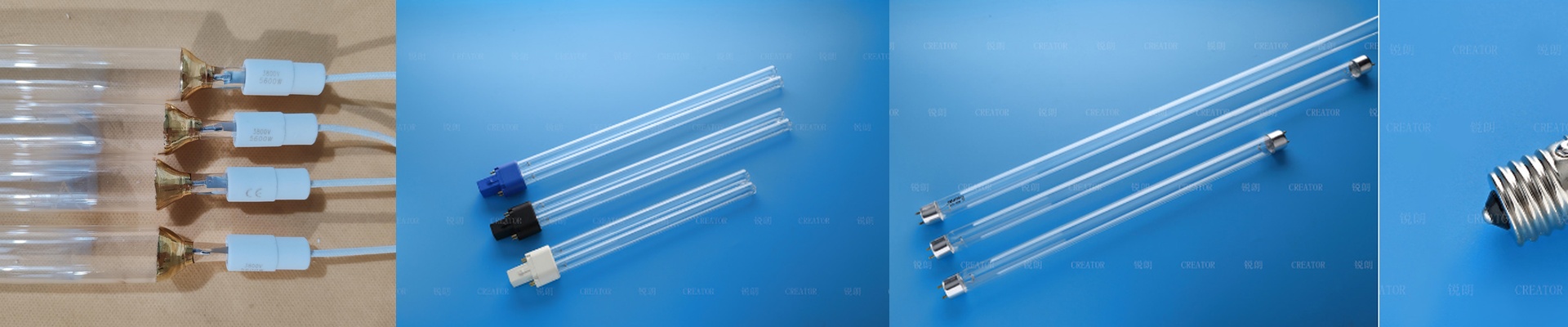
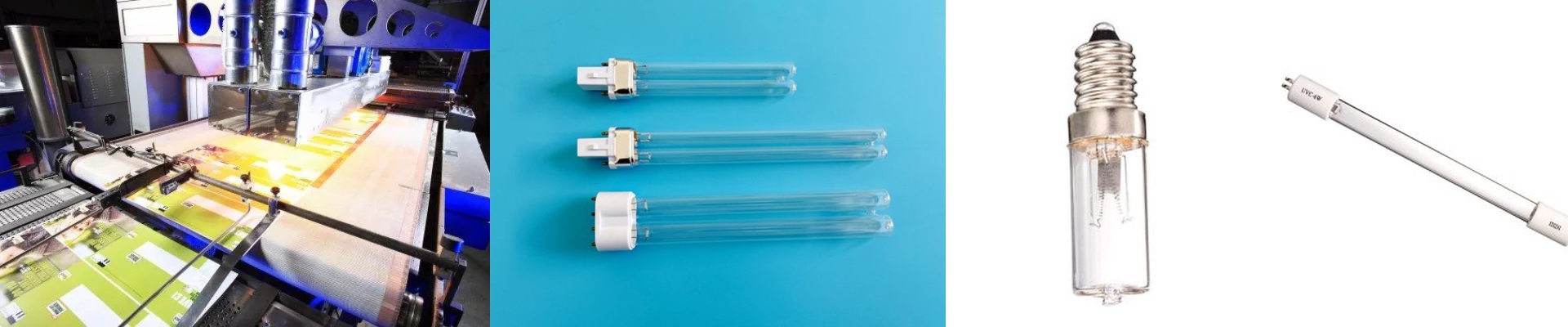
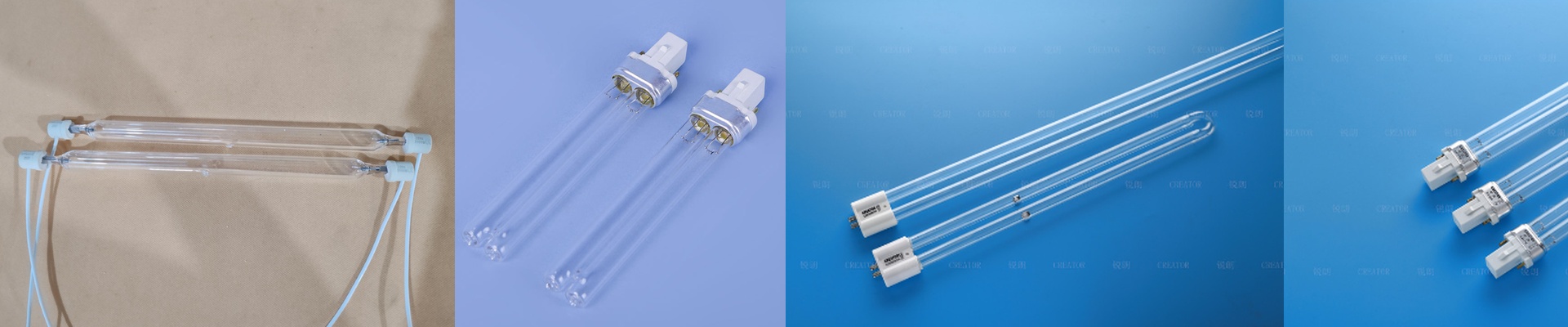
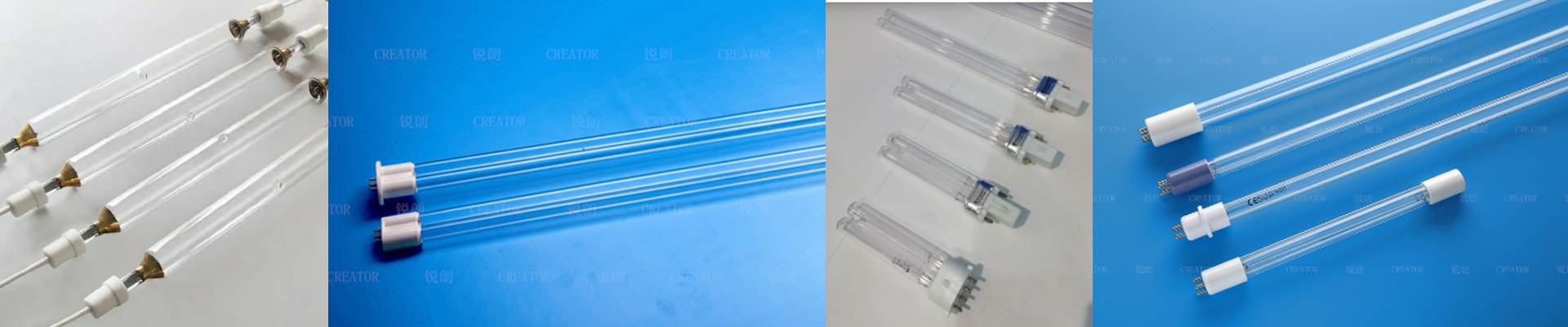
Gallium iodide (GaI) lamps aren’t your run-of-the-mill mercury vapor tubes. They hit a different wavelength entirely. We build these for the tough stuff—industrial curing and sterilization where you can’t afford to be “close enough” with your UV output. Lately, everyone is talking about “intelligent” lamps. But for us, that doesn’t mean slapping a fancy touch-screen on the box. It’s actually much more practical: we’re talking about remote energy monitoring so you can see exactly when a lamp is starting to fade.
The Heat Factor
Here is the thing about GaI lamps: they run hot. Really hot. To keep that plasma state stable, these things generate a massive amount of heat. We build the quartz envelopes to take a beating, but they aren’t magic. If your housing doesn’t have enough airflow, those ends are going to burn out. Simple as that. If the cooling fails, the seal goes, and you’ve got a problem.
No More Guesswork
In a traditional setup, you usually find out a lamp is dead when your product fails inspection. That’s a nightmare. It means you’re throwing away batches and scrambling to fix the line. We’ve started putting sensors right at the lamp head to track voltage drops and current fluctuations. We call it tracking “spectral drift.” Basically, you can see the exact moment the output dips below the microwatts you need. Instead of guessing when to swap a bulb, you just schedule a drop-in replacement before the line even flinches. It turns a potential crisis into a five-minute maintenance task.
The Trade-offs
Now, it’s not all sunshine. Adding this hardware means the ballast takes up a bit more room. You’re giving up a little bit of space to get a lot of data. Also, these sensors need a clean signal. If your factory floor is packed with heavy motors kicking out massive electromagnetic interference, you’ll need shielded cabling. Otherwise, the data gets noisy. We give you the raw numbers—wattage, run-time, and those annoying thermal spikes. You take that info and use it to stop over-cycling your lamps. It’s the easiest way to make your quartz last longer and keep your head from aching over unexpected downtime.