Building UV Curing Systems That Actually Work
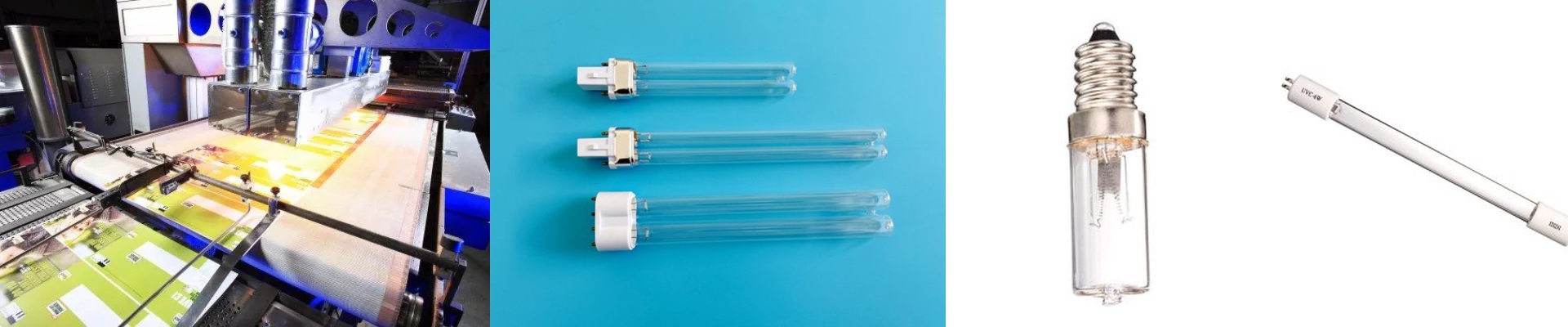
Most suppliers just sell you a UV lamp and wish you good luck. That’s not how we do things. We prefer to get into the weeds with you. We look at your machine’s footprint, the way your ink behaves, and the actual physics of your process. We’re more like your technical partners than just another vendor.
Getting the chemistry right
Here’s the thing: a lamp is only as good as how it reacts with your ink. If the wavelength doesn’t match the photoinitiators in your ink, you’re just wasting power. We look at how deep you need the cure to go and how hard that surface needs to be. If you’re layering on thick ink, you can’t just hope for the best. You need a specific wattage density so the bottom layer isn’t left tacky. We tweak the tube length and power until it’s just right.
Dealing with the heat
High-wattage lamps get hot. Really hot. When we design a system for an OEM, curing speed is only half the battle. The other half is cooling. If your airflow is choked, that expensive lamp is going to burn out way too fast. You’ve got to make sure your fans or water-jackets can actually handle the heat. If you don’t, you’ll end up with warped substrates or a lamp that dies months before it should. It’s a headache nobody wants.
Making it a “drop-in” fit
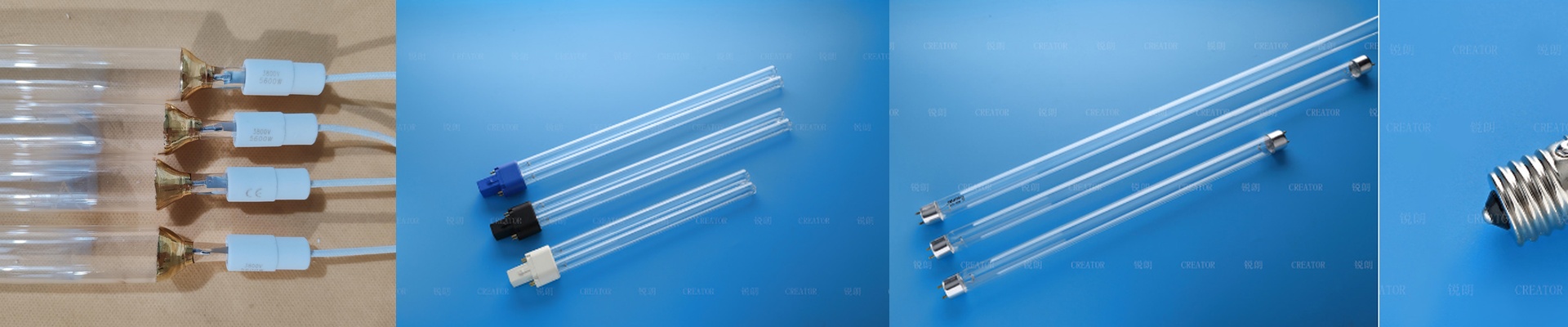
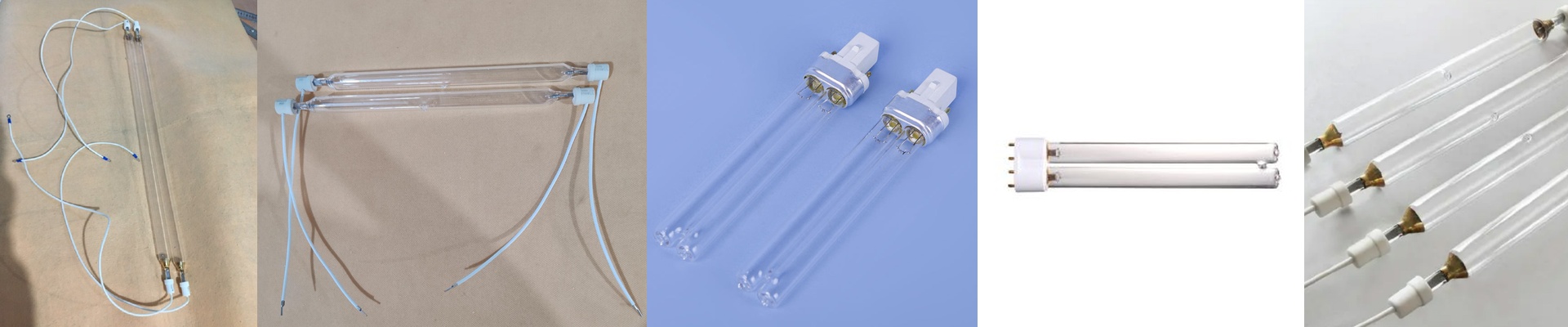
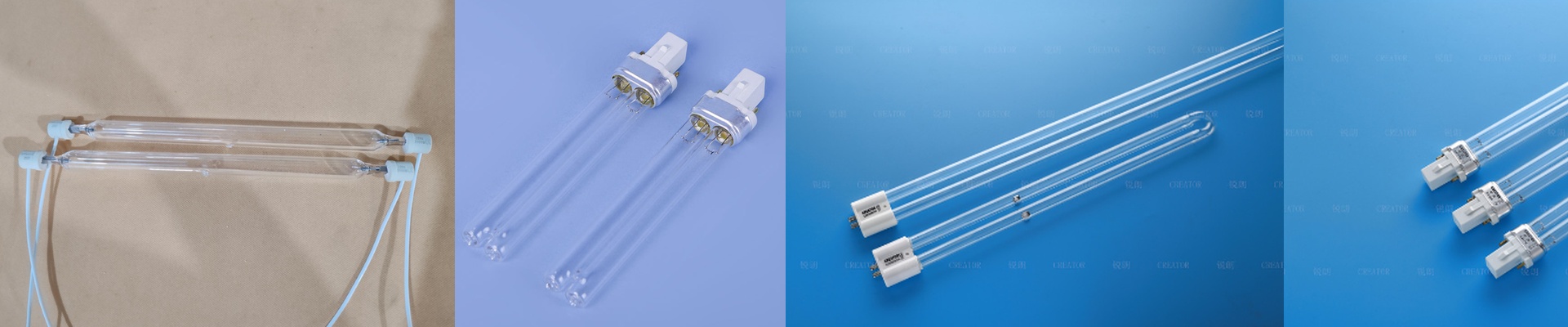
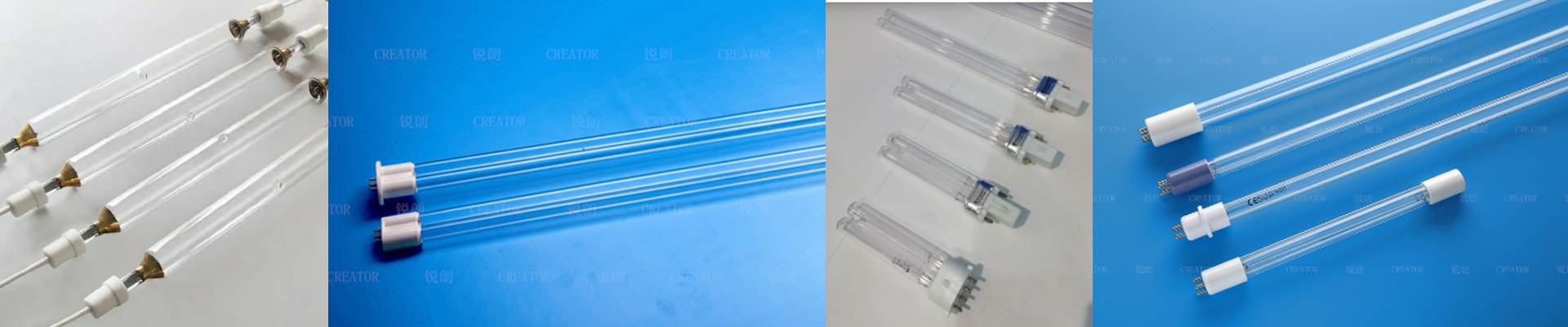
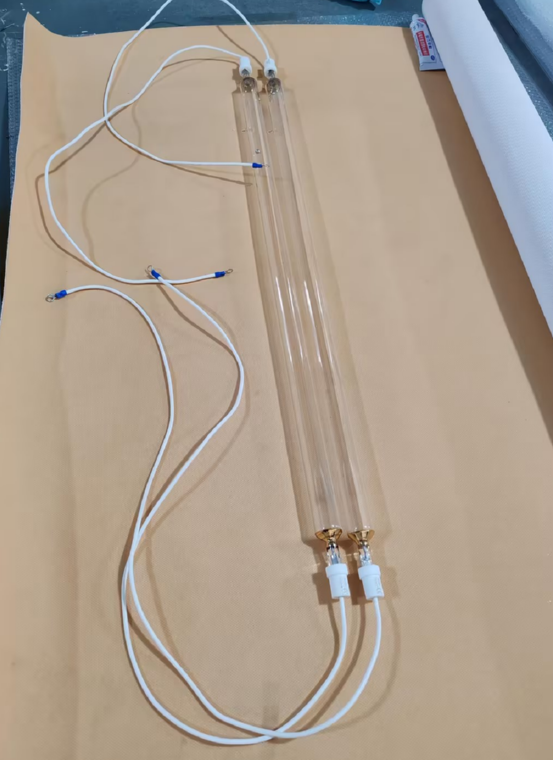
We handle the ODM side of things so you don’t have to stress about the hardware. We’re talking about the boring but important stuff: precise connector specs and exact housing dimensions. We make sure the mechanical and electrical bits line up perfectly. That way, your techs can swap a lamp without having to rewire the entire cabinet. Plus, we help you find that “sweet spot”—the perfect distance between the lamp and the material. You get the fastest throughput possible without accidentally scorching your work. It keeps the line moving and keeps your downtime near zero.