Stop Guessing With Your UV Lamps
High-pressure mercury lamps are still the heavy hitters for curing and sterilization. They get the job done. But for a long time, we’ve been running them “blind.” You turn them on, hope for the best, and pray they don’t die mid-shift. By 2026, that’s changing. We’re moving toward systems that actually talk back to us—telling us exactly how much power they’re pulling and when they’re starting to fade.
The Gritty Side of the Physics
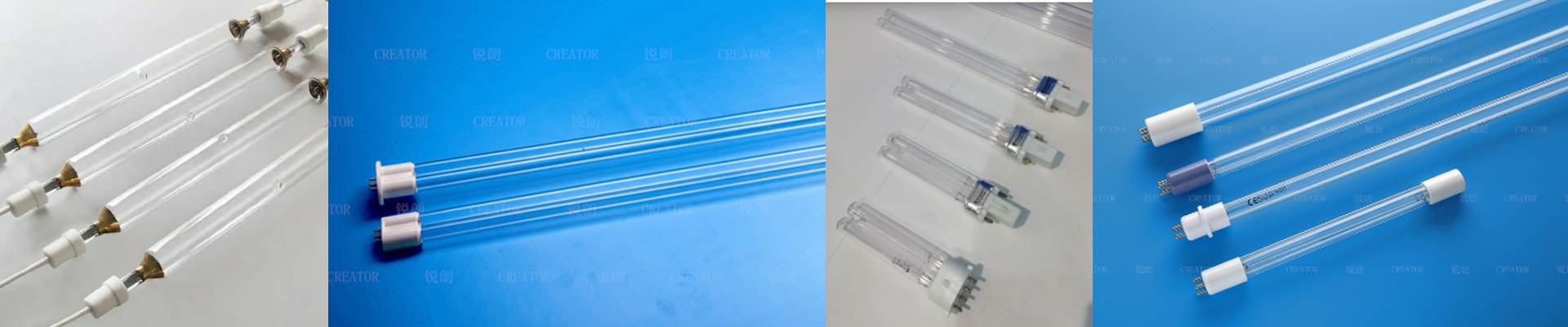
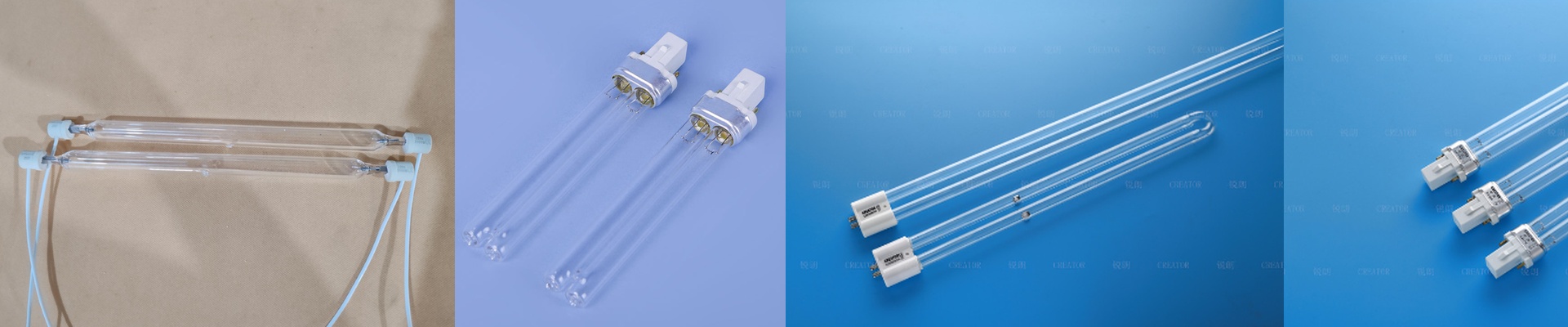
Here is how these things actually work: you’ve got a high-pressure arc trapped inside a quartz envelope. To get that UVC punch, you need the voltage and amperage to be just right. If you push a lamp with too much wattage for your ballast?It’ll burn out way too fast. And then there’s the heat. It’s intense. If your cooling fans or heat sinks aren’t up to the task, that quartz is going to stress. Eventually, it cracks. It’s as simple as that.
No More “Calendar” Replacements
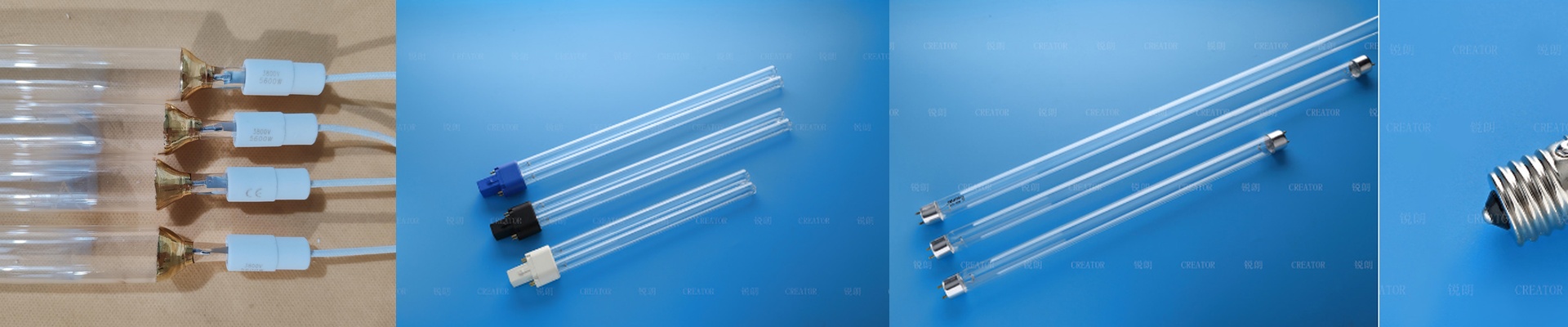
The new smart lamps have sensors built right into the power supply or the head. This is the part I love. You can finally see the actual power draw versus what the label says. As a lamp gets old, its electrical “personality” changes. By keeping an eye on those shifts remotely, you can tell exactly when a tube is about to quit. You can stop following those rigid “replace every X hours” schedules. Why throw away a perfectly good lamp just because a calendar told you to? Or worse, why let one die and ruin a whole batch of product?
Real Talk: Putting This on the Floor
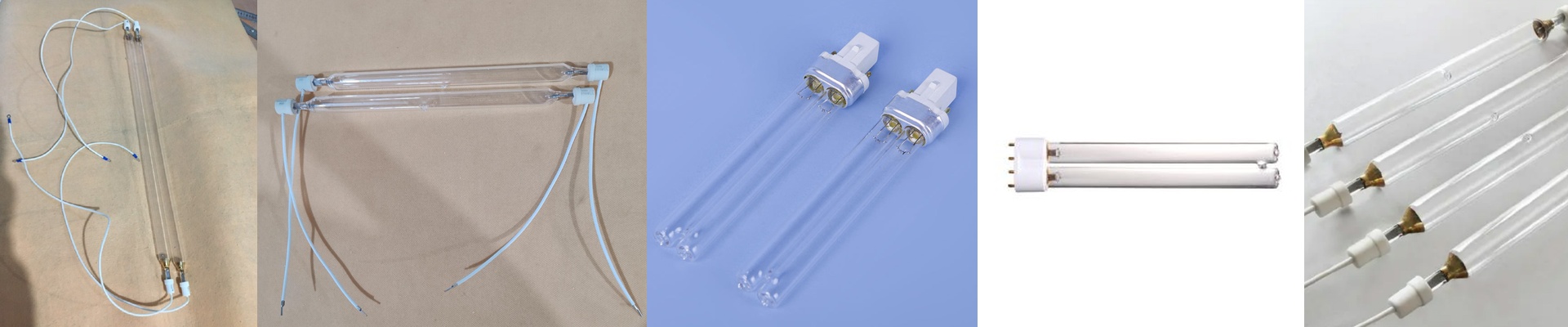
Wiring this into a dashboard is a breath of fresh air. You can spot a dying lamp across a 50-meter line from a tablet without walking the whole floor. But a word of warning. Adding sensors means putting more electronics in a place that gets incredibly hot. Youhaveto shield your monitoring cables from the UV radiation. If you don’t, the insulation gets brittle. Before you know it, your wires are flaking off like old paint. Do it right the first time, and you’ve got a system that actually makes your life easier.