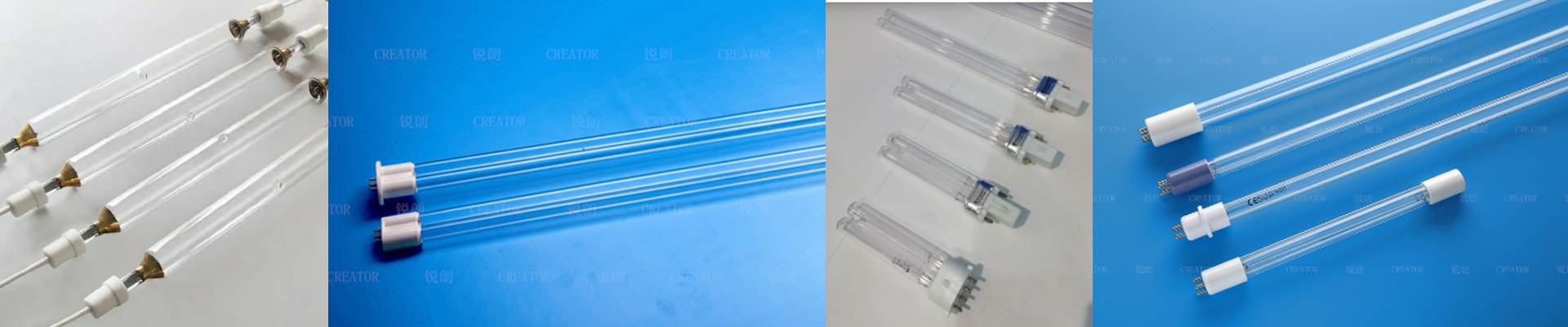
Dealing with Electrical Noise in Your UV Printing Line
If you’re running a shop with several large-scale presses, you know it’s about more than just ink and paper. You’re basically managing a giant cloud of electrical noise. UV lamps—especially the ones with high-frequency electronic ballasts—throw off a ton of electromagnetic interference (EMI). If your lamps aren’t built to handle that, the noise leaks right into your control circuits. It’s a nightmare. You get ghost triggers, sensors that act up for no reason, and the kind of unplanned downtime that makes you want to put your head through a wall.
How we keep things quiet
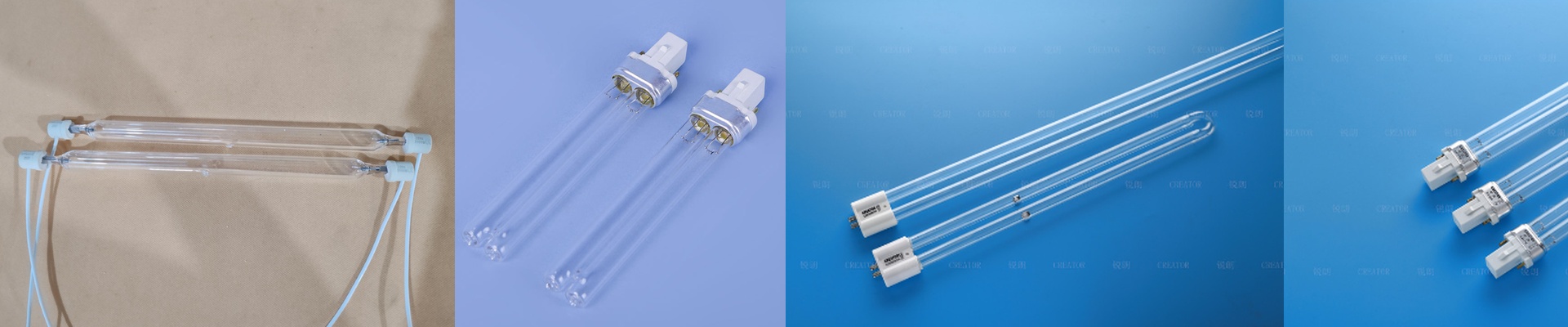
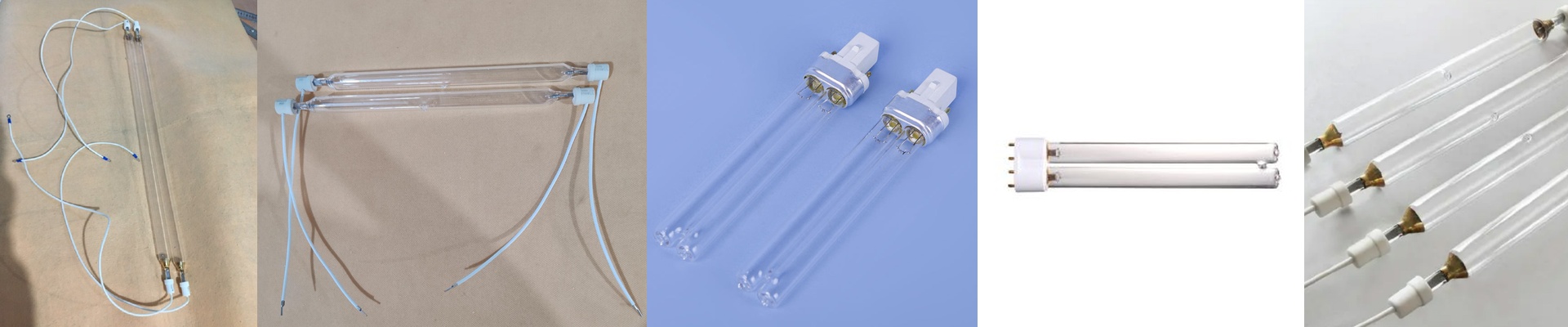
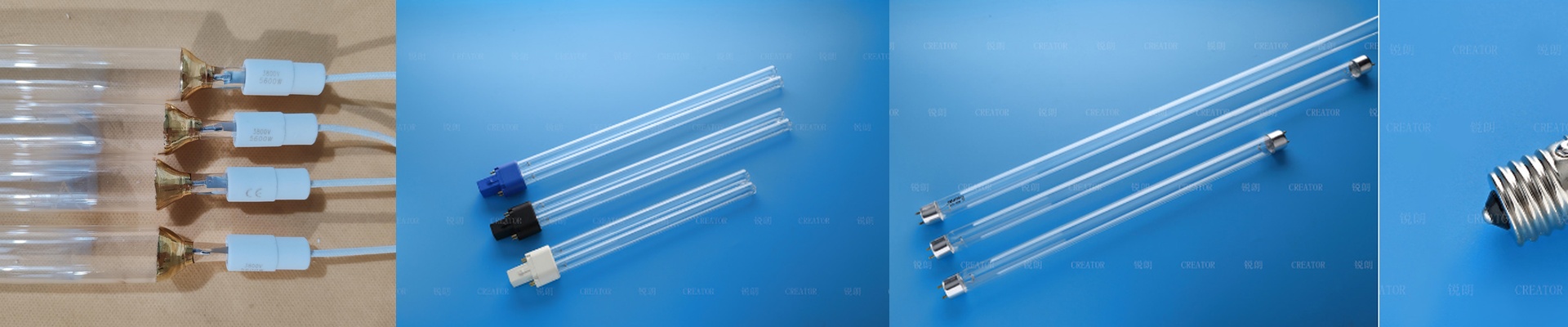
We build our lamps specifically for these “noisy” environments. It isn’t about one magic part; it’s about how we shield the whole circuit. We use reinforced grounding and specific filtering in the ballast to choke out that high-frequency noise before it ever touches your machine’s main bus. When you’ve got five or ten presses humming side-by-side, the EMI build-up is brutal. But our lamps keep a stable arc discharge even when the air is thick with interference. That means your UV output stays constant. No flickering. No random drops in intensity. Just steady light.
The trade-off: Stability vs. Power
Here’s the honest part: stability has a price. To get this kind of protection, we use heavier-duty components and more complex filtering. It makes the ballast a bit heavier. Just a heads-up—double-check that your mounting brackets can handle the extra weight. I’ve seen too many shop owners try to save a few bucks with generic lamps, only to have their PLC systems crash every single time the UV array kicks in. It’s an exhausting cycle of troubleshooting. Our units are designed to be a drop-in replacement that just… works. You wire them up, they stay stable, and you can finally stop chasing phantom electrical bugs in your wiring.