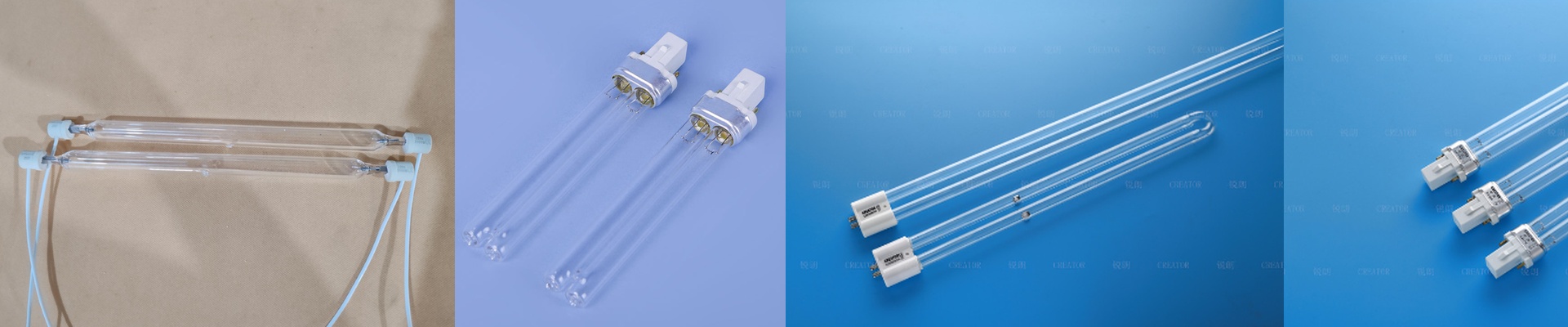
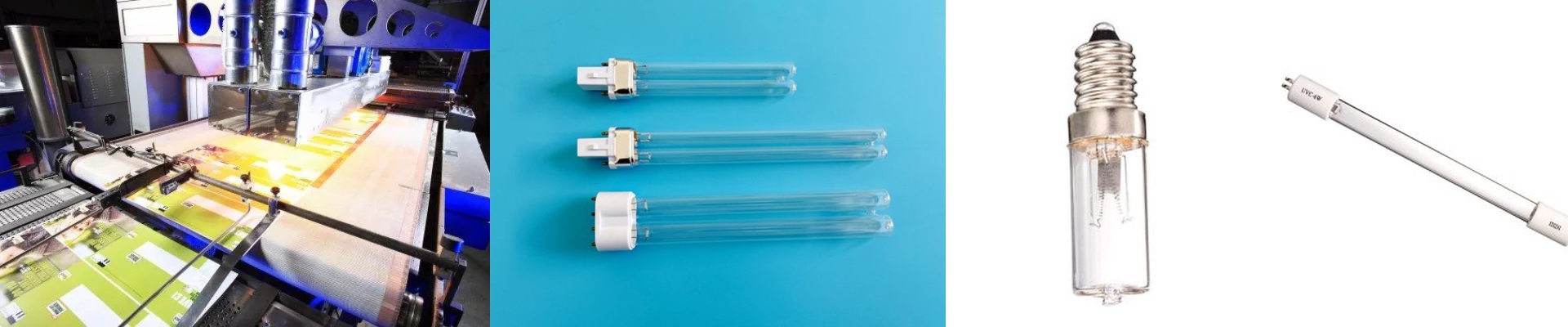
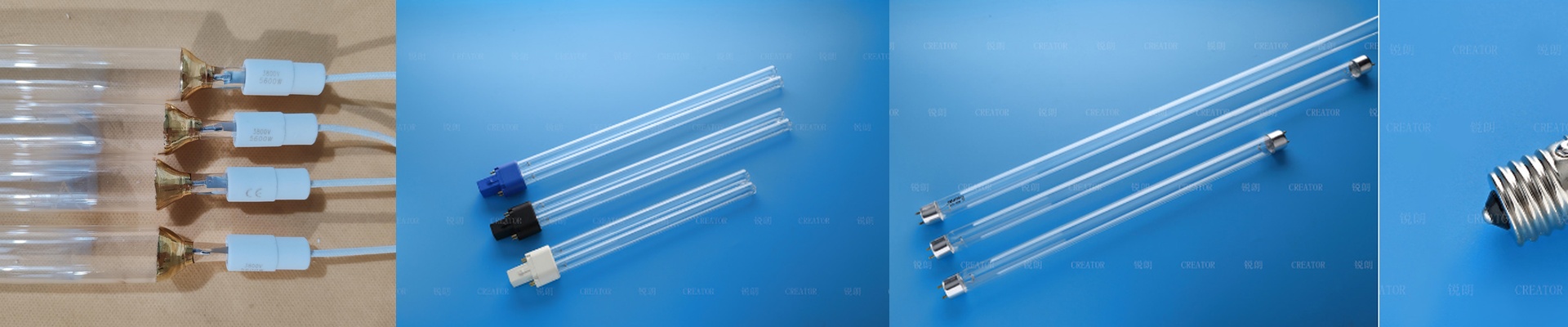
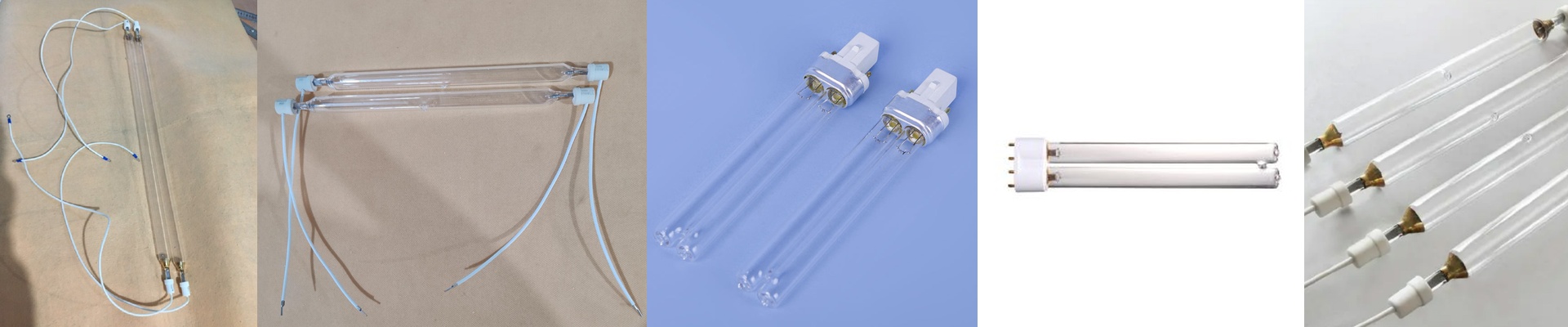
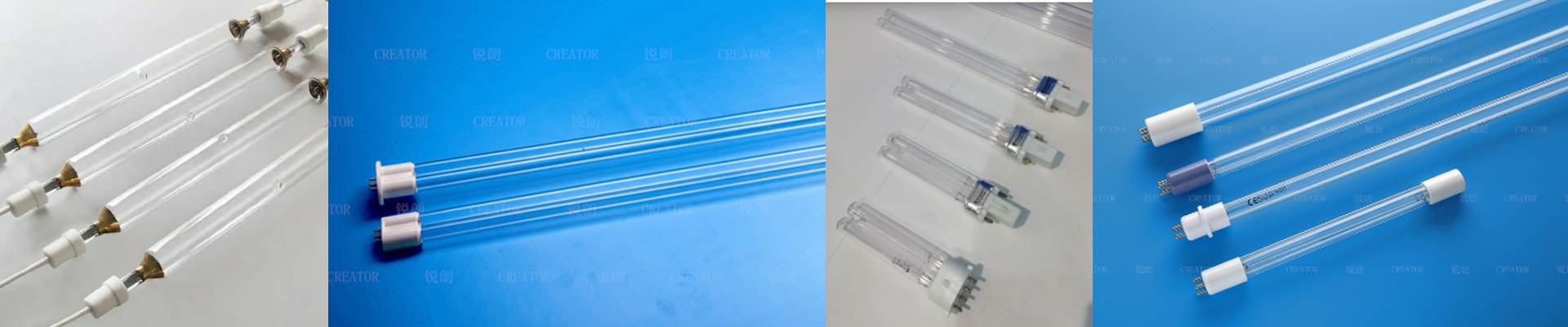
Getting Your UV Lamps Right: It’s More Than Just a Bulb
Most people treat UV lamps like lightbulbs in a hallway—you just swap them out when they pop and call it a day. But if you’re running a professional print shop, that’s a risky way to look at it. Think of the lamp as the engine of your whole operation. It’s what actually makes the ink stick and dry. If your wattage is off or the wavelength isn’t quite right, you’re looking at a nightmare: ink that stays tacky or, worse, substrates that literally scorch under the heat. The Balancing Act: Power and Heat Here’s the thing about power density. You want that ink to cure fast so you can keep the line moving, but you can’t just crank the dial to ten. High-wattage lamps get the job done quickly, but they bring a ton of heat with them. If you push too hard without a solid cooling plan, your materials might warp or your lamps will burn out way sooner than they should. It’s all about finding that sweet spot where the lamp’s output matches exactly what your ink needs to harden. The Nitty-Gritty of Installation We make sure our lamps slide right into your existing setup without a fight. That means the length and the pins have to be spot on. Whether you’re using old-school mercury vapor or switching over to LED, the electrical connections need to be tight. A loose wire isn’t just a nuisance—it leads to arcing and kills your ballast. We also use connectors that can handle the “stretch” that happens when the equipment heats up and cools down. It just works. Fixing the Process, Not Just the Part Replacing a dead lamp is basic maintenance. Anyone can do that. But making the whole process run better? That’s where the real work happens. We look at the things people often overlook, like how fast your conveyor is moving or the exact gap between the lamp and the print. Sure, a smaller gap makes the light more intense, but it also gives you a much smaller margin for error. We aren’t just shipping parts from a warehouse in China and hoping for the best. We actually dig into your ink chemistry to figure out the right intensity. If your cure times are dragging, we don’t just tell you to “buy a stronger lamp.” We check if the light is actually hitting the target in a way the ink can use.