Getting Your UV Wavelength Exactly Right
We don’t just put together lamps. We spend our days obsessing over photons. In our lab, everything comes down to a tiny, stressful window. On one side, your product doesn’t cure and stays a sticky mess. On the other, you’ve scorched your substrate. Most of the lamps you find on a shelf just bleed too much heat or miss the mark on the specific wavelength your photoinitiator actually needs. We fix that. We tweak the quartz grade and the gas fill until we hit the exact nanometer target you need.
Why the Spectrum Actually Matters
Think of it like a lock and a key. Your photoinitiator has a specific sensitivity—say, 365nm. If your lamp is peaking at 395nm, they aren’t clicking. The result? A tacky surface that ruins your day. We get around this by playing with the electrode materials and the internal pressure. When we tighten those tolerances, you can crank up the speed of your production line without worrying about the cross-linking density. But there’s a catch. Pushing high-intensity, narrow-band light creates a lot of heat on the lamp envelope. You’ve got to make sure your cooling blowers are actually moving enough air, or you’re going to hear the sound of quartz cracking. And that’s a sound you never want to hear.
The Stuff We Use
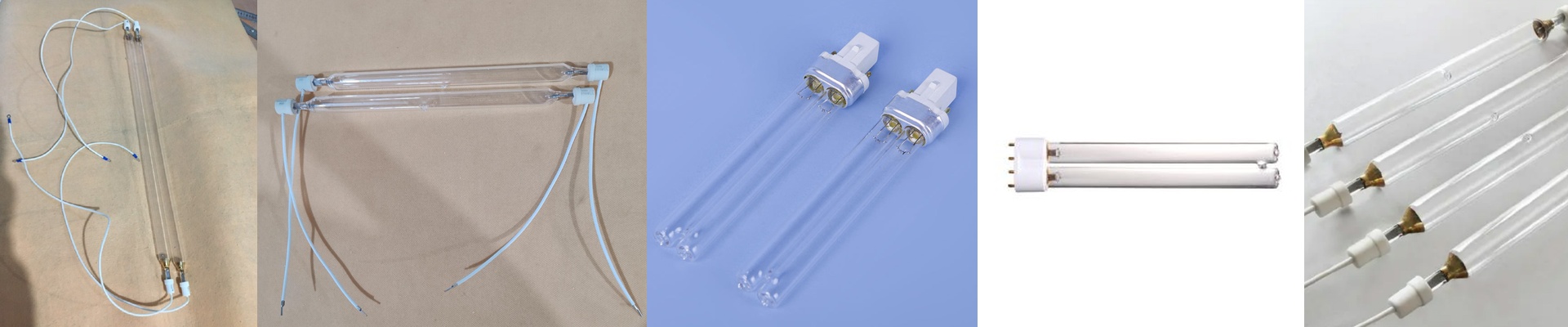
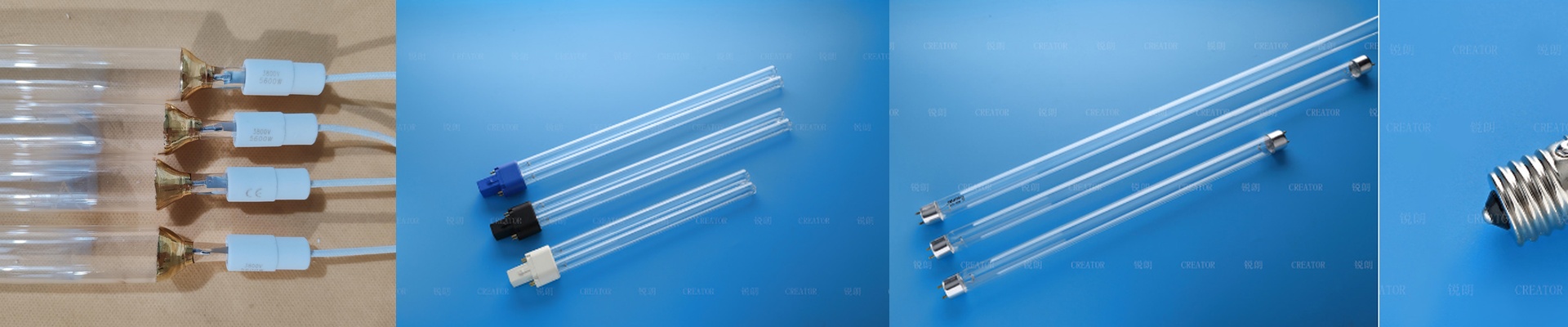
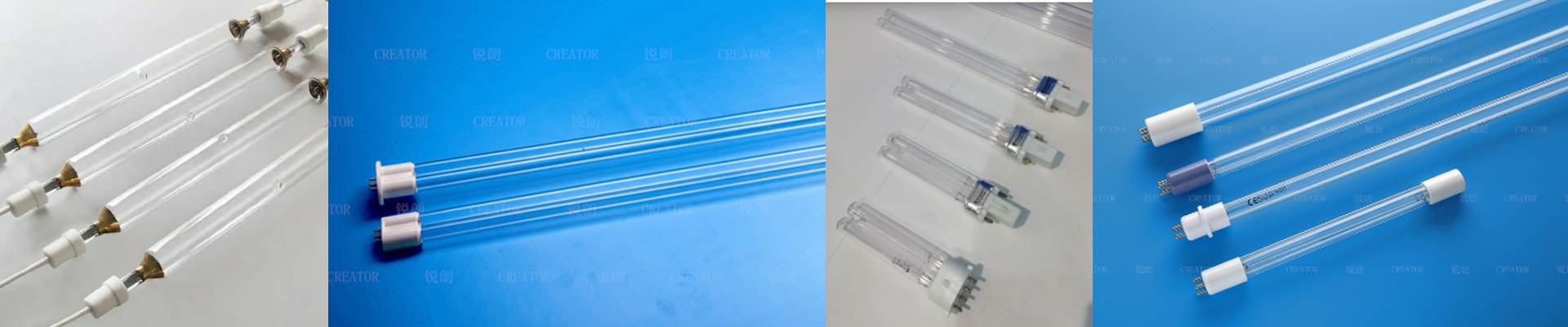
We stick with high-purity synthetic quartz. Why? Because standard glass is basically a wall that blocks UV. Our quartz lets it fly right through. For the tricky jobs, we add thin-film coatings. Some reflect the IR heat back into the product; others block it entirely so you don’t melt your heat-sensitive plastics.
Making it Work on the Shop Floor
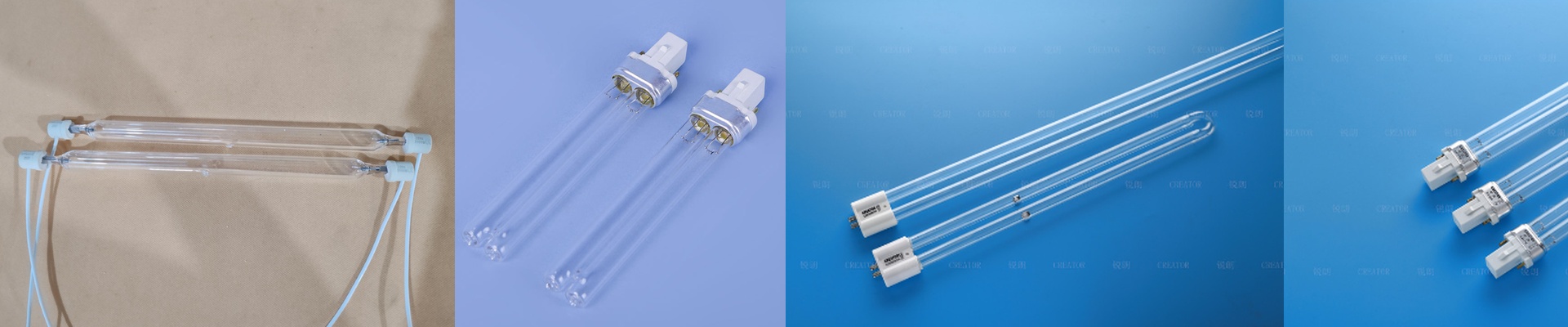
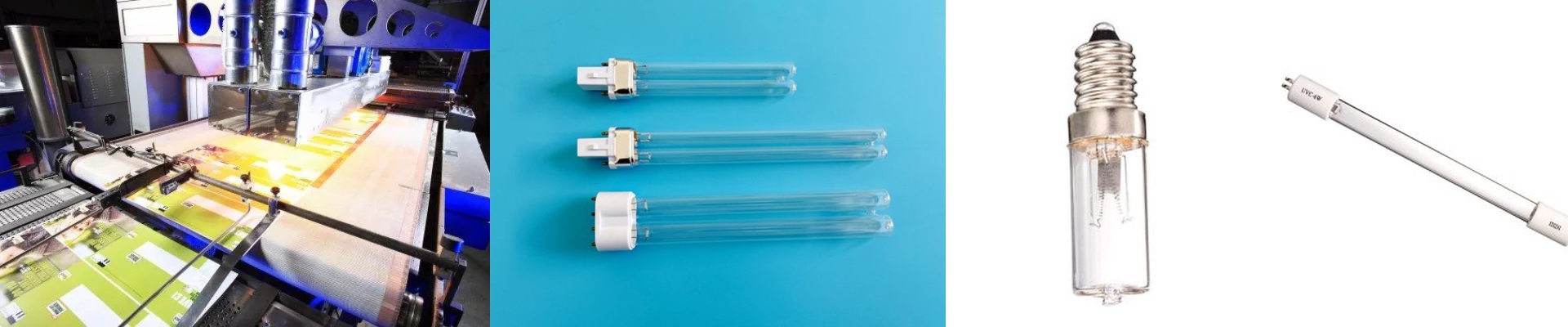
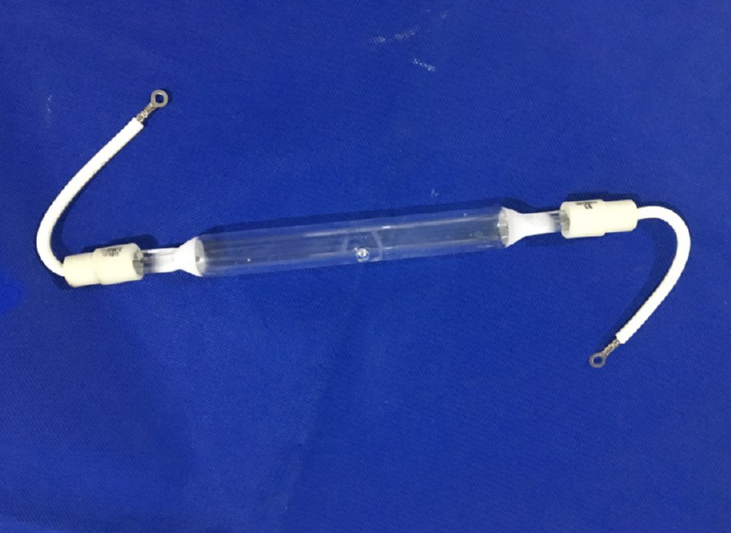
When it’s time to actually wire these things in, the physical footprint is everything. We build our connectors to handle high current so the housing doesn’t melt. There’s nothing worse than a poor contact leading to arcing and a burnt-out lamp right in the middle of a shift. Here’s the best part: when the wavelength is perfectly matched to your ink or adhesive, you don’t need as many lamps in the tunnel. That means your power bill drops and you aren’t spending half your week swapping out bulbs. It just works.