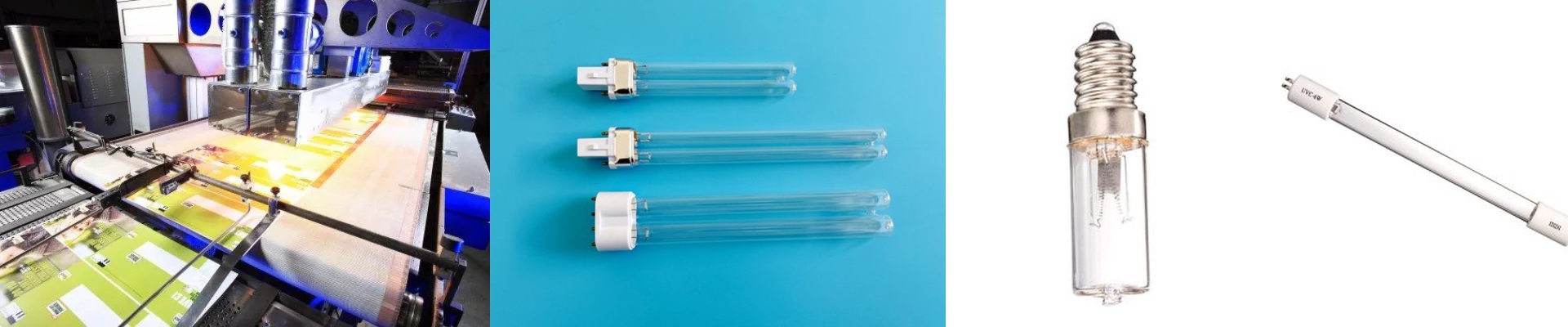
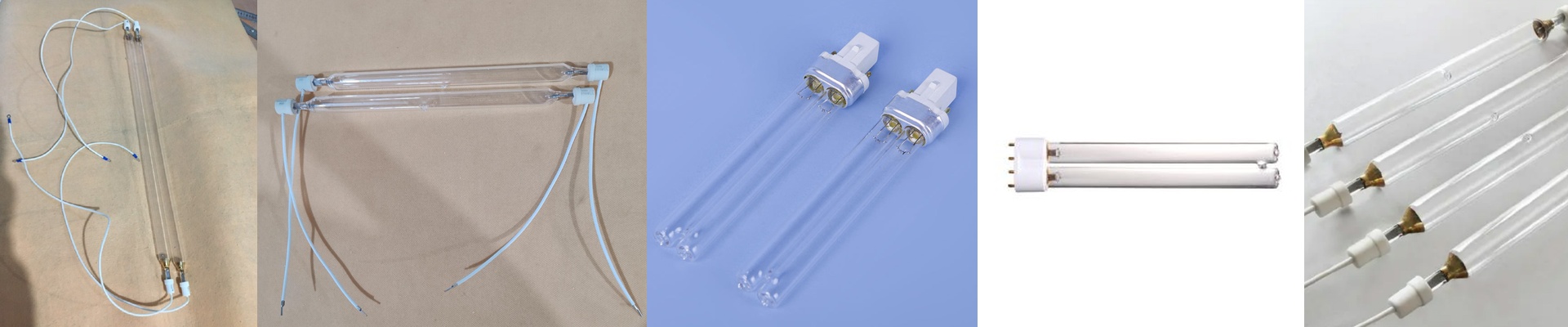
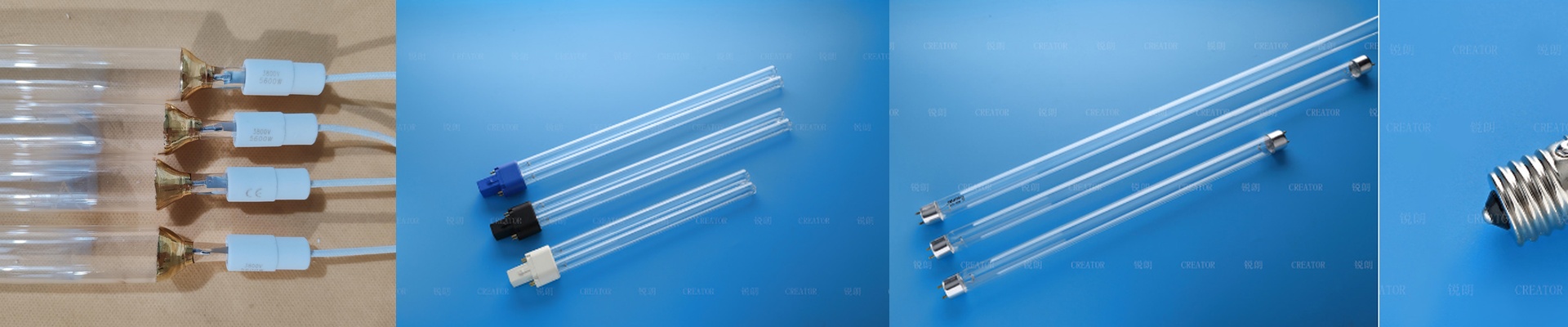
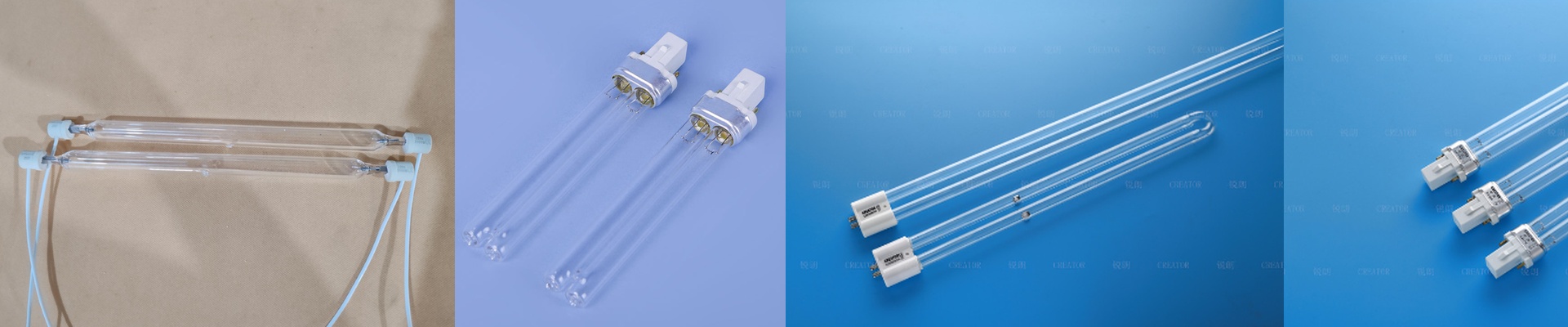
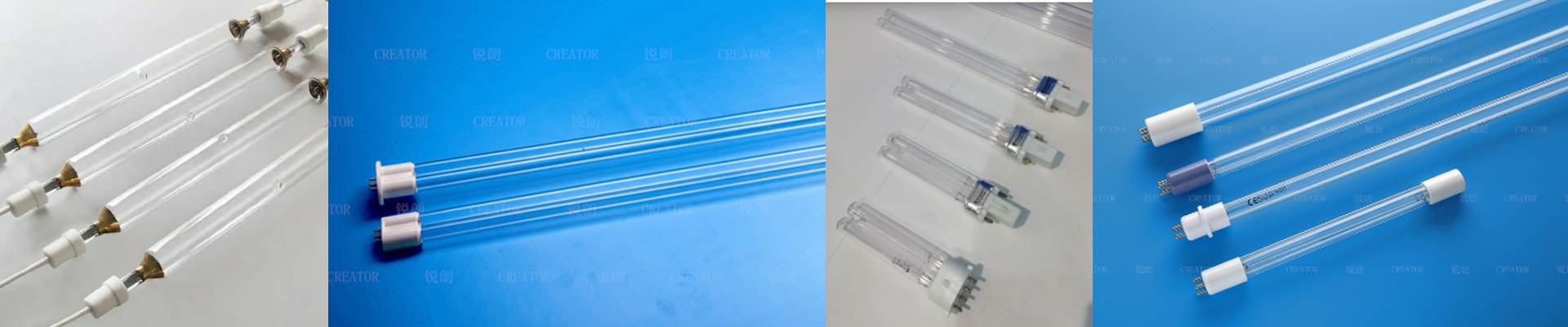
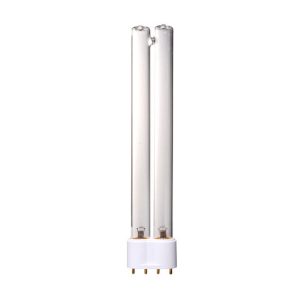
Let’s Talk About Mercury UV Bulbs
If you’ve spent any time in a print shop, you know mercury UV lamps. They’re basically the heavy lifters of the industry. The way they work is pretty straightforward: an electric arc jumps through mercury vapor, which kicks out a blast of ultraviolet light. That energy hits your UV-curable inks and triggers a reaction that freezes liquid resins into solid polymers. It happens almost instantly. It’s like magic, but with physics.
Why the “Spectrum” Thing Actually Matters
When we build these bulbs, it’s all about a balancing act between how much power they put out and how long they actually last. Sure, they hit a peak at 254nm, but they also throw out UVC and UVB wavelengths. You need that variety. Why? Because different inks use different photoinitiators, and those initiators only “wake up” when they see specific wavelengths of light. If you use a bulb that doesn’t hit the right notes, you’ll run into a nightmare called “surface cure.” That’s when the top of the ink feels dry to the touch, but the bottom is still wet. One wrong move and your whole print smears. Nobody wants that.
Getting Them Into Your Press
We designed these to be simple. No headaches, no complicated setups. They’re meant to be drop-in replacements for most small-to-medium presses. We use high-purity quartz glass because it lets the most UV light through and can handle the heat without cracking. Plus, we kept the size standard. You shouldn’t have to mess with your ballast or rebuild your reflector housing just to get a new bulb in. One quick warning, though: keep them cool. Mercury lamps get incredibly hot. If your conveyor is crawling or your fans are choked with dust, that heat has nowhere to go. It’ll bake the quartz and kill your bulb way faster than it should. Keep those fans clean.
Making it Work for Small Shops
I know how it is for smaller shops. Custom UV systems can be ridiculously expensive. That’s why we make these standard mercury bulbs. You get the same curing punch as those high-priced brand names, but without the “luxury” price tag. You get the speed you need to keep jobs moving. Just do me a favor: double-check that your power supply matches the bulb’s wattage. If they’re out of sync, you’re just asking for a premature burnout.