Getting Your Textile Curing Right with Gallium Iodide Lamps
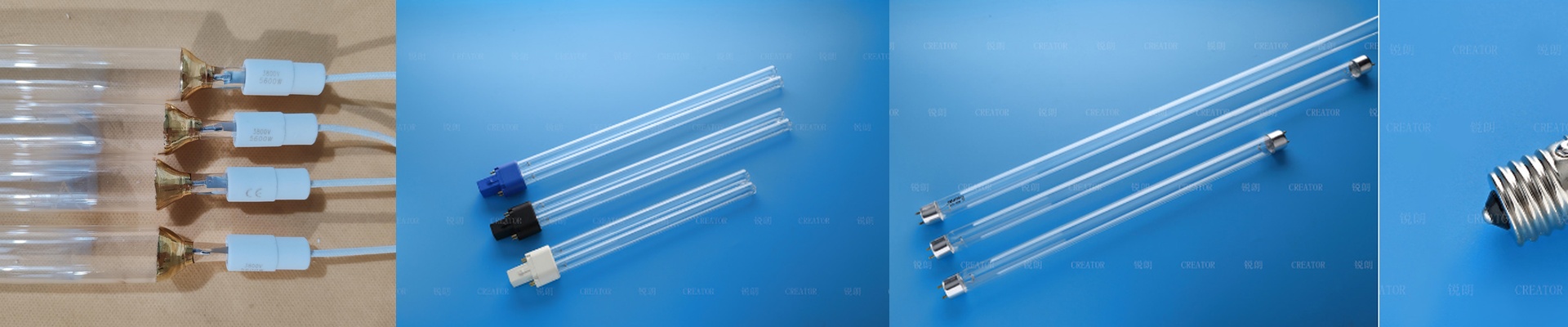
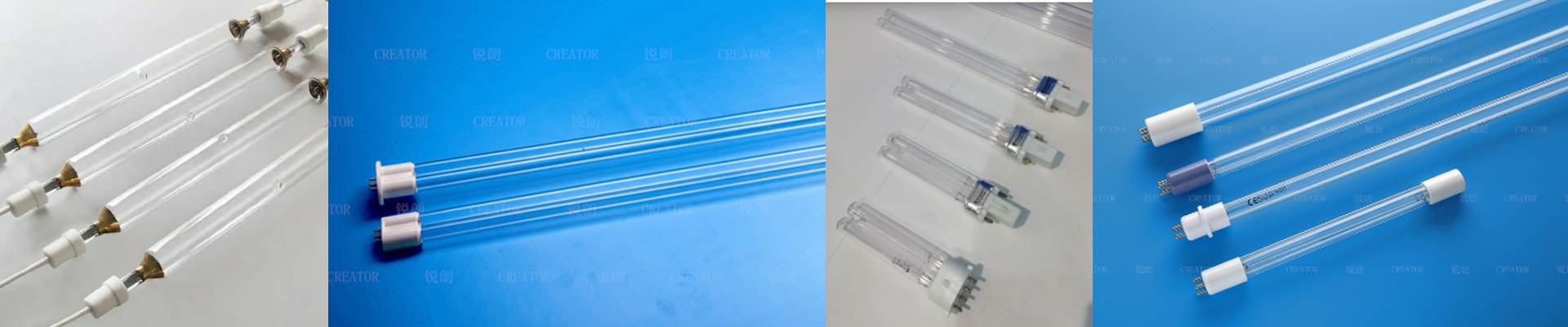
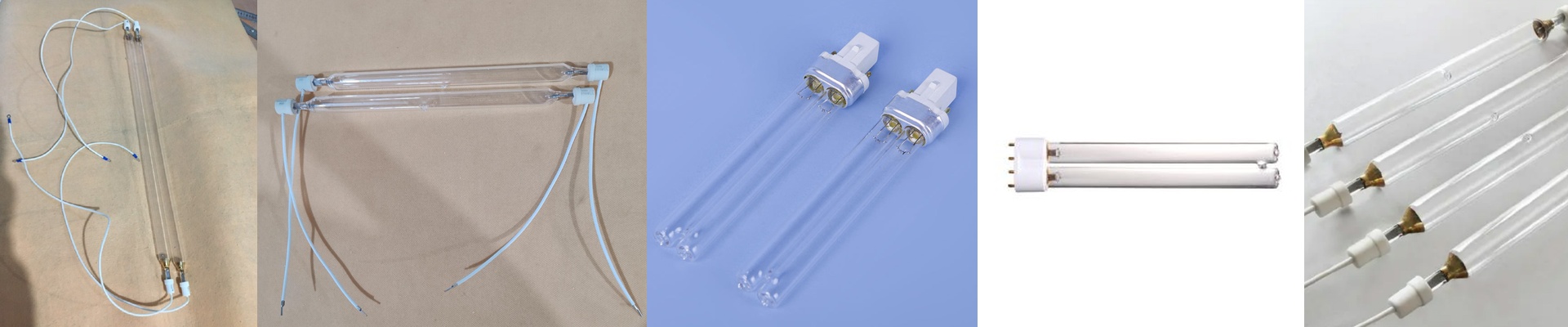
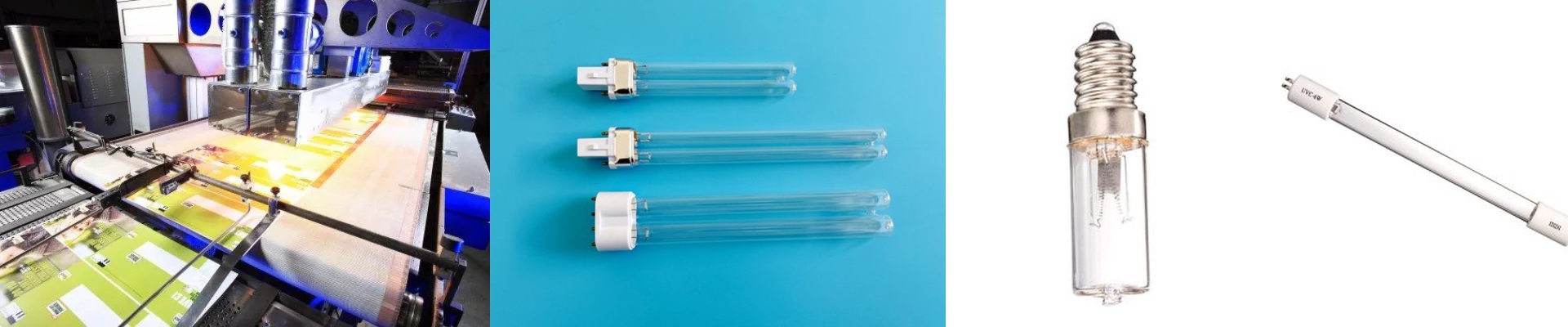
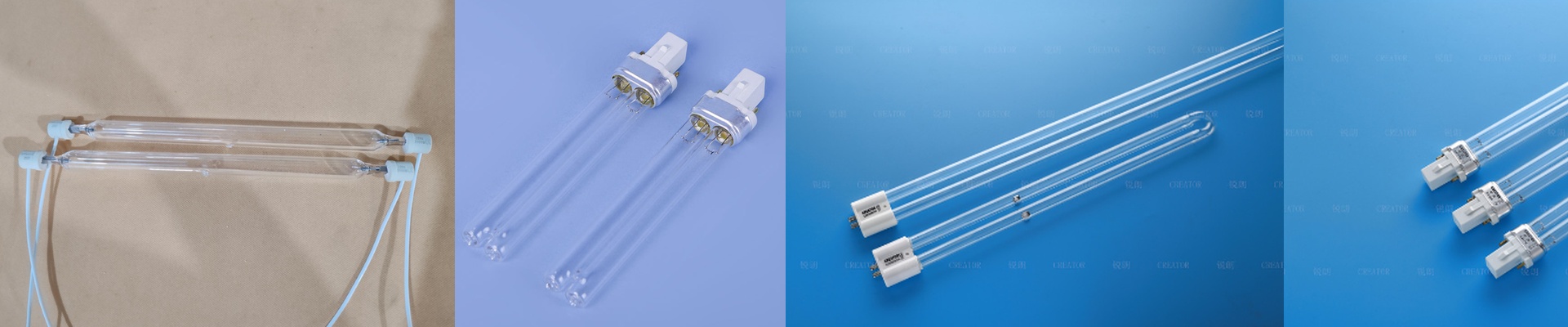
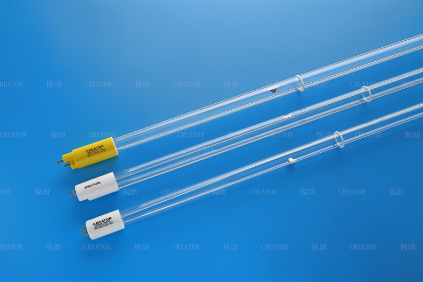
We make Gallium Iodide lamps for people running high-speed industrial printing lines. These aren’t your run-of-the-mill UV bulbs. By adding Gallium into the mix, we’ve tweaked the light output to hit the exact photoinitiators in your textile inks. The goal? Get that ink to bond tight to the fabric without accidentally scorching the fibers. The balance between speed and heat These lamps put out a ton of intensity in the UV-A and UV-B ranges. When you drop them into a curing tunnel, they turn electricity into a concentrated beam that kicks off the polymerization process. But here’s the tricky part: wattage. You have to find that sweet spot between how fast you want the line to move and how much heat the fabric can take. If you crank the power too high just to speed things up, you’re going to overheat your material. Make sure your exhaust fans are actually doing their job and pulling that heat away, or you’ll end up with shrunken fabric. Not a great look. Built for the grind We use high-purity quartz glass because nobody wants a lamp that clouds over after a few hundred hours. It stays clear. We also toughened up the electrodes. In batch printing, you’re constantly starting and stopping, and that wears hardware down. To make your life easier, we offer a bunch of different lengths and diameters. Most of our lamps are just drop-in replacements, so you can swap them out without having to tear apart and rebuild your entire rack. Real-world printing In a busy shop, these lamps are basically your final safety net. They lock in the pigment so nothing smudges when the fabric gets folded or tossed into a shipping box. From what we’ve seen, the secret is all in the distance. If the lamp is too far from the belt, the ink stays tacky. Too close? You’ll burn the print right off the cloth. It takes a bit of patience to calibrate the power supply, but that’s the only way to make sure the first meter of a roll looks exactly like the 1,000th.