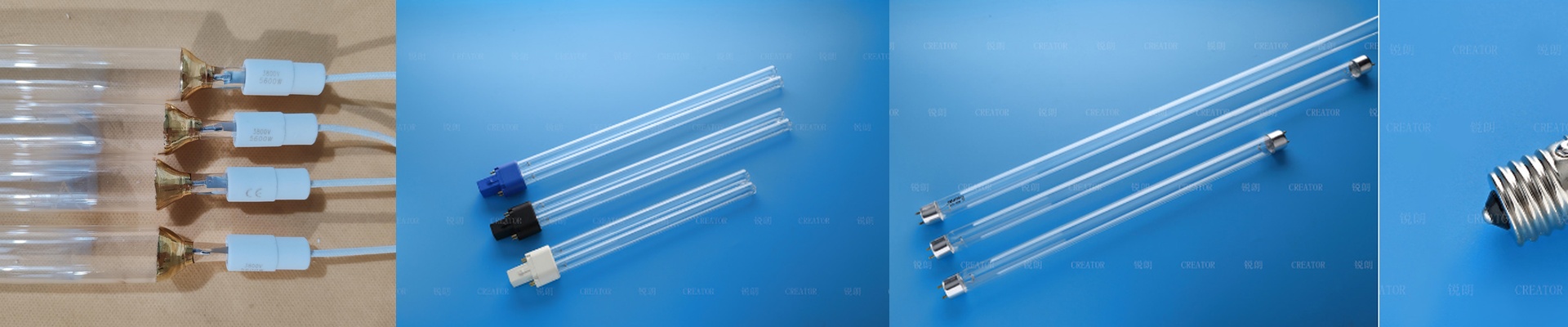
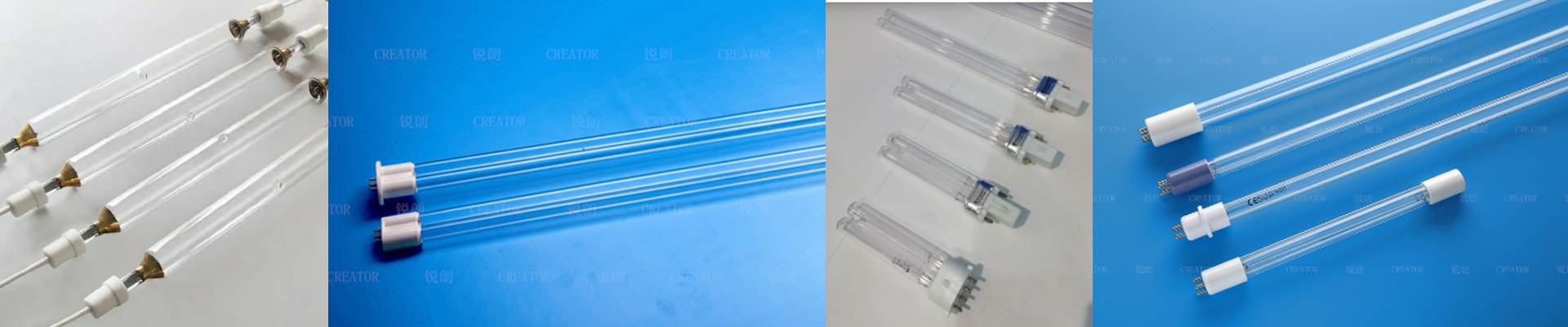
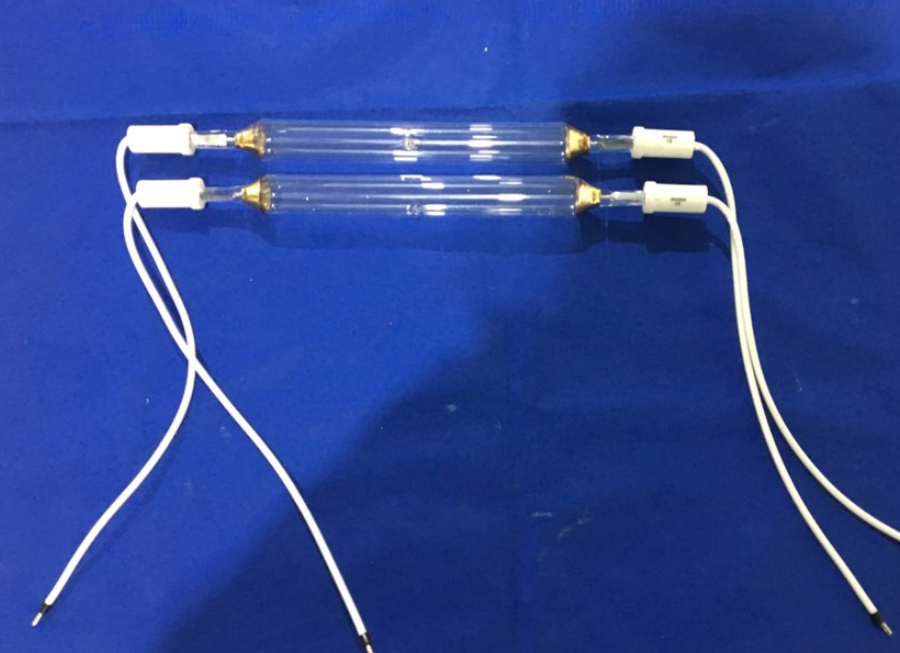
Stop Guessing with Your Gallium Iodide Lamps
If you’re doing high-precision PCB curing or photoresist exposure, you know the drill. You need a very specific kind of light, and you need it to be perfect. We build our gallium iodide lamps to handle those tight cleanroom tolerances, but here’s the real headache: the drift. Nothing kills a workday faster than realizing a lamp’s intensity dipped just enough to ruin an entire batch of boards.
Why Gallium Iodide?
We use gallium iodide because it pushes the emission spectrum toward those longer UV wavelengths. In plain English? It digs deeper into thick photoresist layers, giving you a cure that’s actually uniform across the whole PCB. But there’s a catch. These things runhot. Like, really hot. If you don’t get your cooling fans exactly right, you’re just fast-tracking the tube toward a burnout.
Ditching the Manual Checks
Most shops are still walking around with manual radiometers, checking intensity and hoping for the best. Honestly? That’s a gamble you shouldn’t be taking. We’ve started building remote energy monitoring right into the lamp housing. Instead of walking the floor, you can just glance at your screen to see how the voltage and current are behaving. It’s not about having a “smart” gadget for the sake of it. It’s about the actual data. When the power draw fluctuates by even 2%, it’s usually a sign that the electrodes are wearing out. You can just schedule a swap during your next planned break instead of the line grinding to a halt in the middle of a shift.
Putting Them to Work
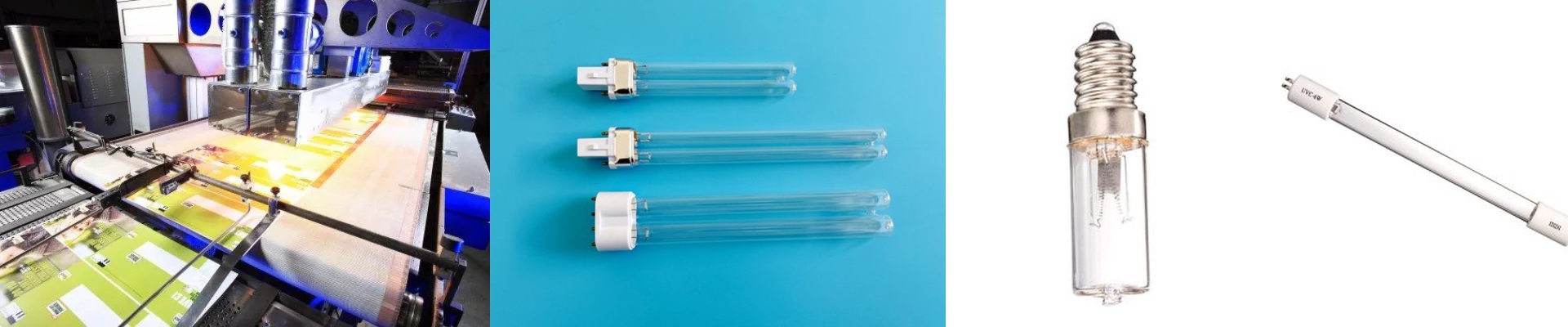
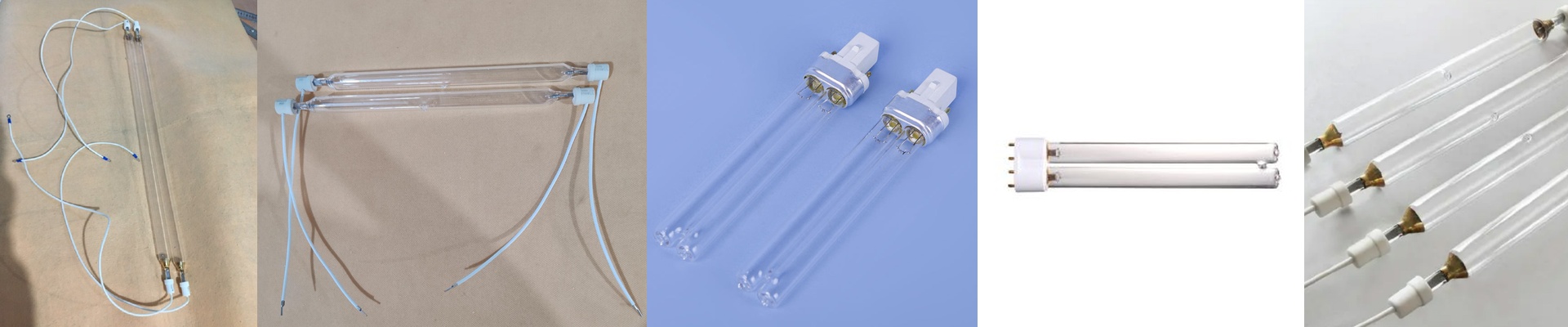
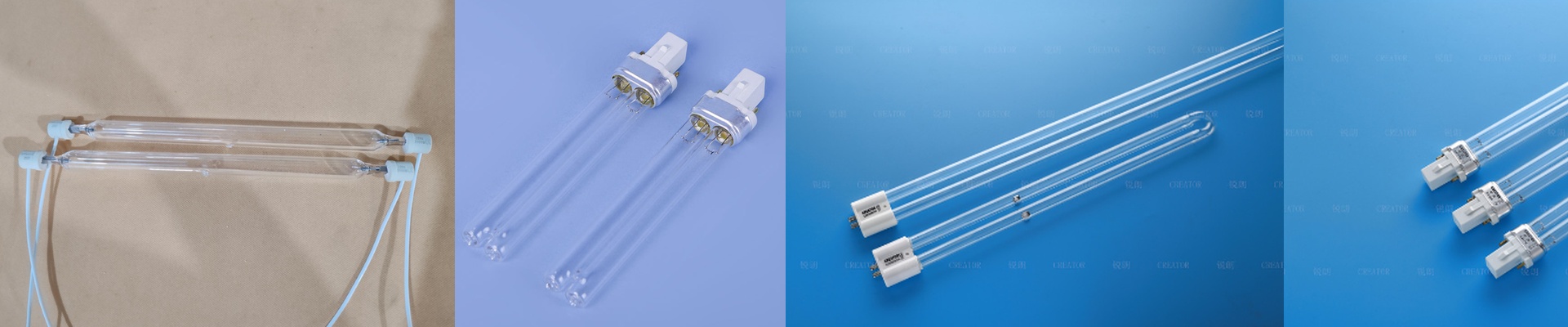
Getting these onto your factory floor is pretty straightforward, but you’ll want a stable power supply. We usually suggest dedicated circuits so you don’t get electronic noise messing with your sensors. They fit right where your standard UV tubes go. The only difference is a small IoT module attached to the ballast. Yeah, the install takes a bit more effort upfront. But you get to stop guessing if your boards are curing correctly. Plus, if your cooling system starts to struggle, the monitor will flag that thermal spike before the quartz envelope actually cracks. That’s a win in anyone’s book.