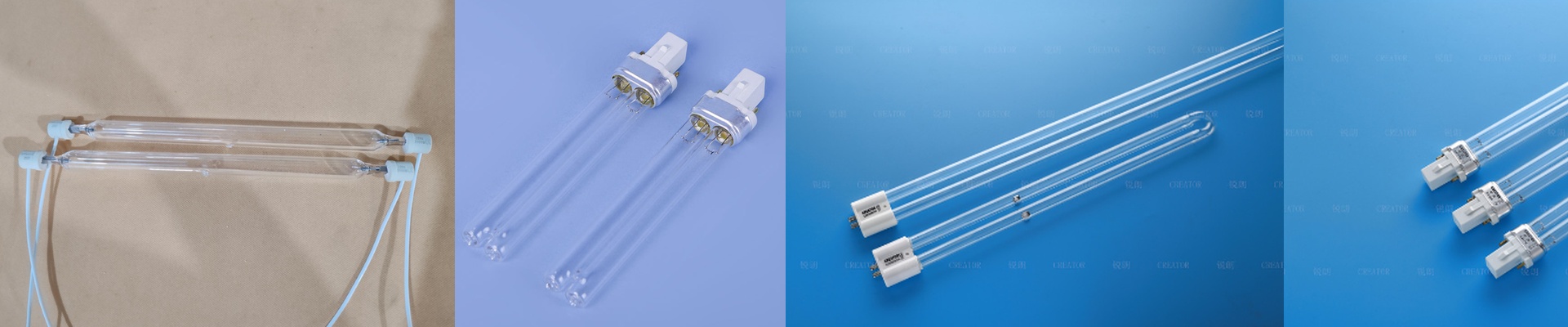
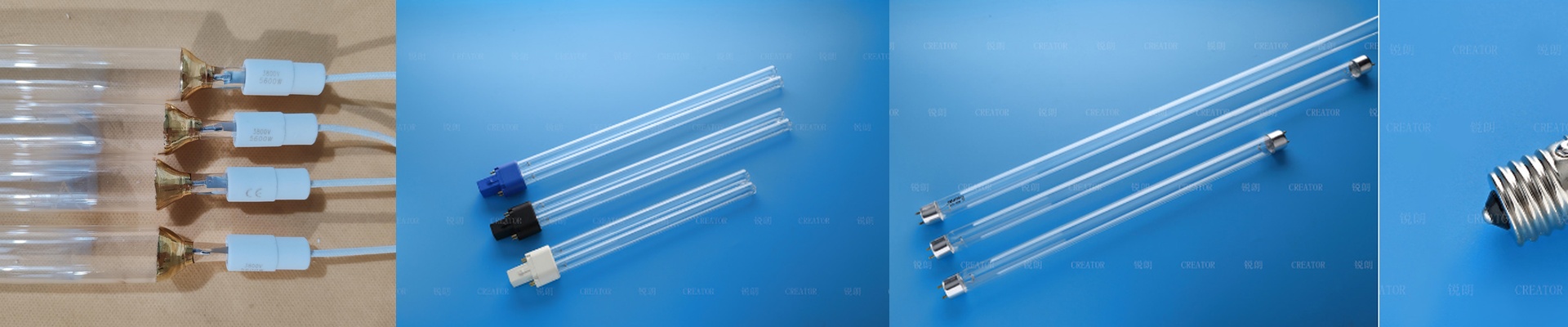
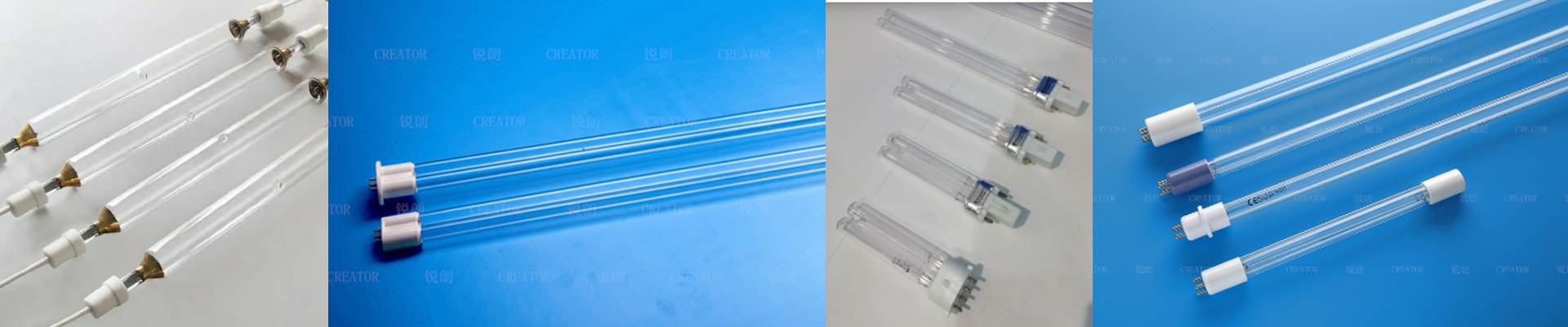
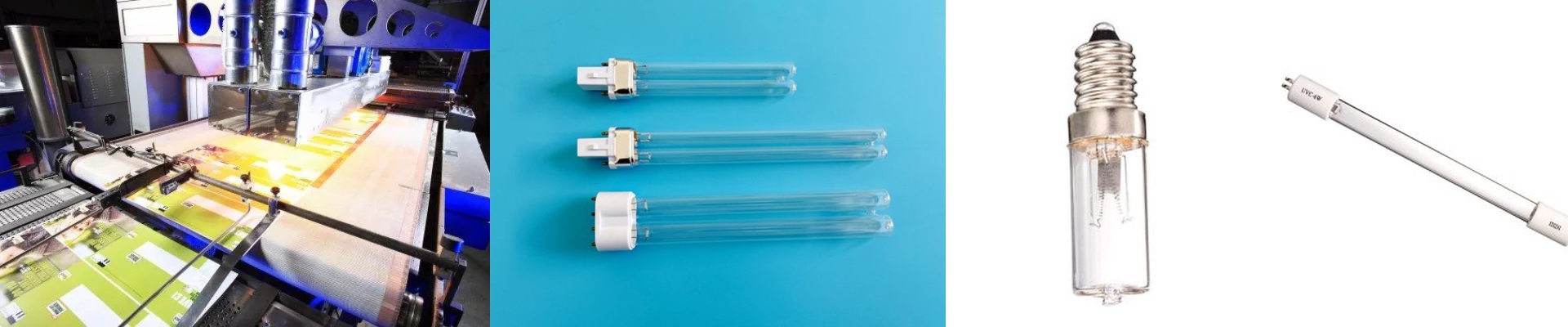
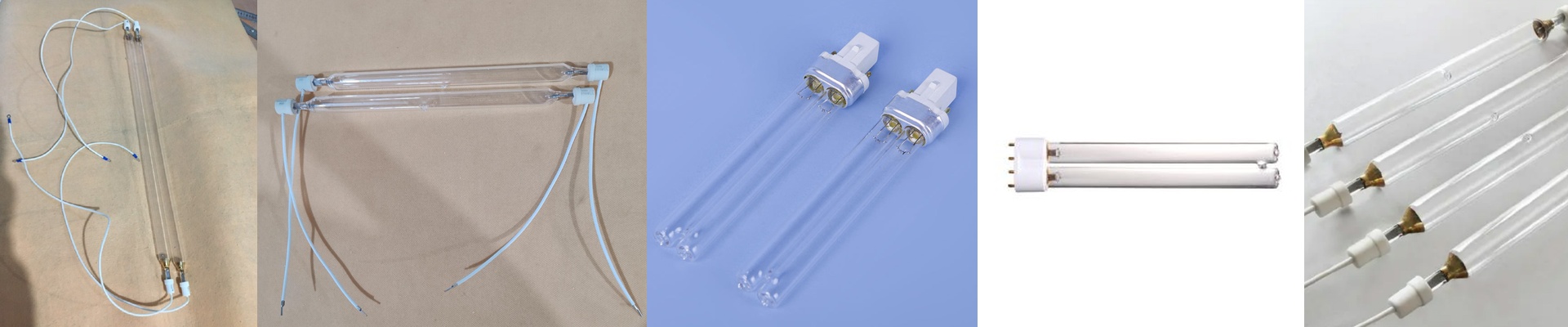
How we actually built an energy-saving UV lamp that works
We spent 15 years in the trenches. We started out just manufacturing for other people, but eventually, we wanted to build our own UV germicidal lines. The goal was pretty straightforward: we wanted the same punch as the big international brands, but without the massive power bill.
The science (without the boredom)
Here is the thing about most germicidal lamps—they usually fail because the quartz isn’t pure enough or the arc discharge is all over the place. To fix that, we switched to high-transmittance synthetic quartz. It basically ensures that the 253.7nm wavelength slides right through the glass instead of getting trapped. We also messed around with the gas mixture and the electrode coatings until we hit a sweet spot. The result? You get the same sterilization power, but the lamp pulls fewer amps from your ballast. It’s a win-win.
Built for the real world
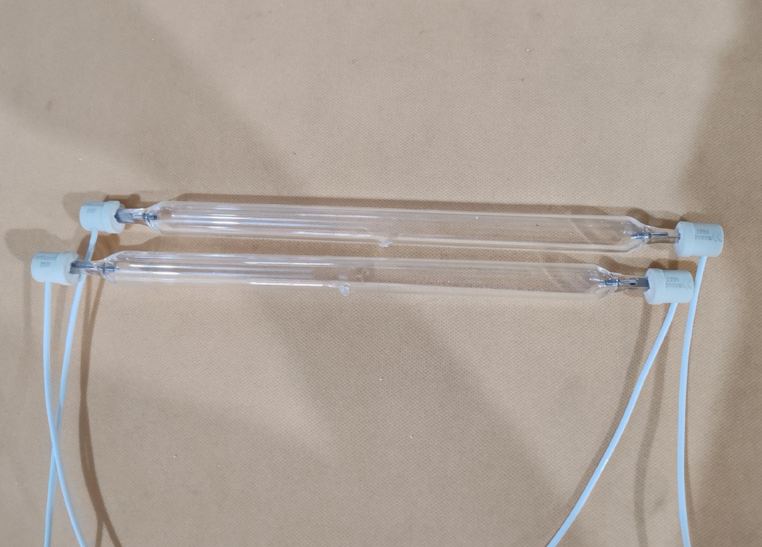
We don’t build these for a clean lab; we build them for industrial floors. You know how the ends of UV tubes usually turn black and die? That’s called sputtering. We treated our electrodes to stop that from happening, so the lamps actually last. Plus, we offer different pin setups, so you can just swap these into your current rigs without having to rewire everything. We also obsessed over the tube diameter. If the glass is too thick, you lose the UV punch. Too thin, and the lamp will shatter the moment a machine starts vibrating in a loud factory. We found the middle ground.
A few honest tips on using them
These are workhorses, but they aren’t magic. UV-C output drops as the tube gets older. It’s just physics. Even with our tech, the quartz will eventually wear out, so you’ve got to keep an eye on your run hours. And a quick heads-up: watch your heat. If you’re running these in a scorching zone, make sure your airflow is dialed in. If the lamp base gets too hot, it’ll fry the electrodes—no matter how high the quality is. Keep them cool, and they’ll keep working.